Discover expert tips for choosing the perfect rug to enhance your home's decor. Learn about size, shape, color coordination, material choices, and design harmony to transform your living space. This comprehensive guide helps you make confident decisions for an aesthetically pleasing and functional rug that complements your interior style. Whether updating a small lounge or a grand living room, find the insights needed to select the ideal rug that elevates your interior design and creates a welcoming atmosphere. Explore creative ideas and practical advice today.
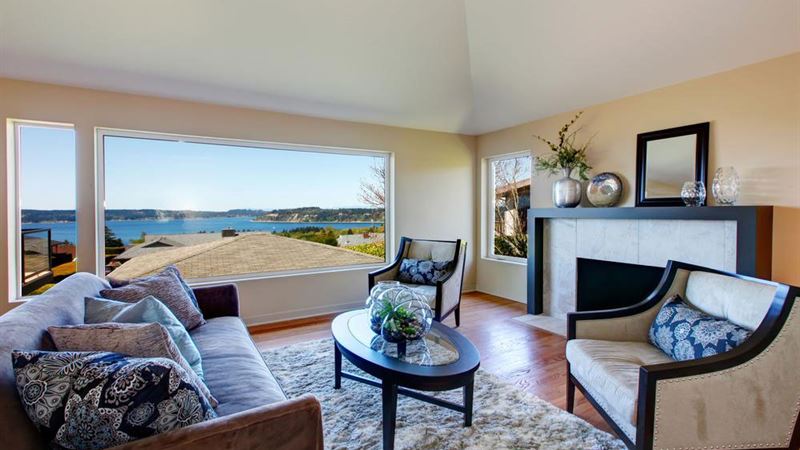
Transforming your living space with the right rug is an art that combines design sense with practical considerations. Whether you are redecorating your lounge, bedroom, or office, choosing the perfect rug can significantly enhance the ambiance and aesthetic appeal of the room. This comprehensive guide explores essential tips, considerations, and expert advice to help you select a rug that complements your decor, fits your space perfectly, and provides lasting visual appeal.
When starting your shopping journey, it’s crucial to understand the importance of size, shape, color, and material in relation to your specific room layout and personal style. Proper planning ensures that your rug does not only serve as a decorative element but also harmonizes with your furnishings and overall interior theme. Below, we delve into each aspect in detail to give you all the insights needed for a confident, successful purchase.
**Assessing Your Space and Rug Size**
The first step in selecting a rug is to analyze your room’s dimensions. A well-sized rug anchors the space and ties the furniture pieces together, creating a unified look. Whether you prefer a large, statement piece or a smaller accent rug, understanding the proportions is vital.
Begin by measuring the area where you intend to place the rug. Use a tape measure to determine the width and length, taking note of any furniture placement or architectural features such as fireplaces or windows. For instance, in a living room, the rug should extend beyond the edges of the main seating area or frame the furniture in a way that visually balances the room.
There are various shapes to consider—rectangular, oval, round, or square. Each shape can influence the room's style and functionality. For example, round rugs work well in entryways or to soften angular furniture arrangements, whereas rectangular rugs complement larger seating areas.
If you’re unsure about dimensions, create a layout plan using painter's tape or paper cutouts on the floor to simulate different rug sizes. This visualization helps you determine what looks proportionate and enhances room flow.
**Understanding Furniture Arrangement**
The placement of your furniture significantly affects rug choice. In spaces with floating furniture—arranged without wall-to-wall coverage—the rug should ideally sit beneath the front legs of the furniture to create a cohesive layout. For example, a sectional sofa or dining table benefits from a rug that extends past the furniture edges to ground the arrangement.
In contrast, if furniture is placed against walls, a smaller rug might suffice as an accent piece or to define a specific zone like a reading nook or side seating.
For rooms with floating furniture, choosing a larger rug can unify seating, making the space feel more inviting, while smaller rugs work better as highlights or decorative accents.
**Color Coordination and Style Harmony**
Color plays a pivotal role in shaping your room’s mood and style. To create visual harmony, the rug’s colors should either complement or contrast with your walls and furniture harmoniously.
For rooms with neutral walls and furniture, vibrant or patterned rugs can add personality and focal points. Conversely, in spaces with bold wall colors or intricate furnishings, opting for rugs in subdued, complementary hues can maintain balance.
Balancing brightness and tone is essential—avoid overly bright or clashing colors that may overpower the room. Instead, consider rugs with deep, rich tones for a sophisticated look or subtle patterns for understated elegance.
For contemporary interiors, eclectic or abstract rug designs can inject energy and modernity, whereas classic patterned rugs suit traditional decor themes. Create contrast with wall colors or furniture by choosing rugs that either blend seamlessly or stand out deliberately.
**Material and Texture Matters**
The rug’s material influences durability, comfort, and ease of maintenance. Popular options include wool, cotton, jute, synthetic fibers, and silk blends, each offering unique benefits.
Wool rugs are durable, soft, and naturally stain-resistant—ideal for high-traffic areas. Cotton rugs are lightweight and easy to clean, making them perfect for casual spaces. Natural fibers like jute or sisal lend a rustic, eco-friendly vibe, suitable for informal settings. Synthetic rugs often mimic natural textures and are budget-friendly, offering stain resistance and ease of cleaning, though they may lack the premium feel of natural fibers.
Texture adds depth and visual interest. A plush, thick rug invites comfort, perfect for living rooms and bedrooms. Flatweaves or low-pile rugs suit high-traffic areas or modern settings. Combining different textures can create layered, inviting spaces that appeal to both sight and touch.
**Designing Your Rug to Match Your Decor Theme**
The overall decor style guides your rug decision. For traditional interiors, intricate Persian or oriental designs in rich hues work beautifully. Modern spaces benefit from minimalistic patterns, geometric prints, or monochrome palettes.
Add personality by opting for handmade, artisanal rugs that showcase craftsmanship or statement pieces with bold colors and unusual shapes.
Remember, your rug should enhance, not compete with, other decor elements like artwork, cushions, or curtains. Consider the entire room’s color palette and style theme to achieve coherence.
**Additional Tips for a Successful Rug Purchase**
When buying a rug, always check for quality by inspecting the weave, colorfastness, and overall craftsmanship. If shopping online, read reviews and ensure the seller provides accurate measurements and high-quality images.
Opt for durable, easy-care rugs in high-traffic areas and consider layering rugs for added style and comfort. Don’t forget to match your rug pad to prevent slipping and protect your flooring.
Final advice: trust your instincts and don’t be afraid to experiment with different styles and colors. The perfect rug will ultimately reflect your personality and elevate your home’s atmosphere.
Enjoy the process of selecting a rug that blends functionality with aesthetic appeal, transforming your space into a sanctuary of style and comfort.
