
Comprehensive Guide to Choosing the Perfect Rug for Your Home
Choosing the right rug involves considering various factors like size, shape, material, pattern, and decor harmony. This comprehensive guide offers detailed insights into selecting durable, stylish rugs suitable for different rooms and lifestyles, ensuring a perfect fit for your home’s aesthetic and functional needs.
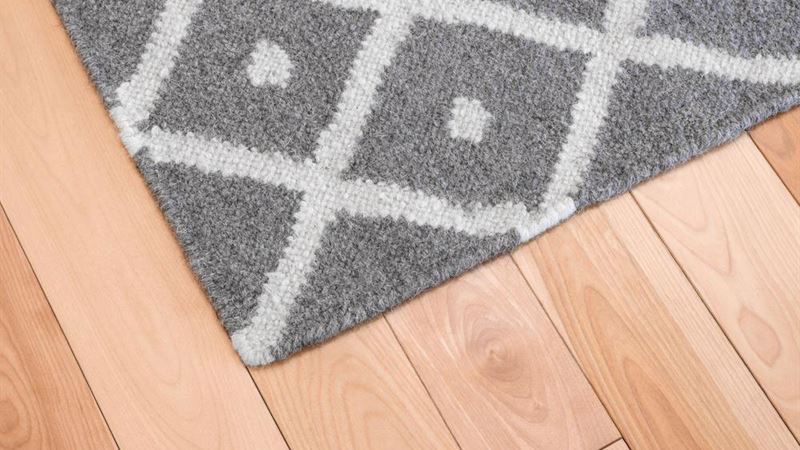
Selecting the right rug for your living space is more than just picking a piece that looks good; it involves considering various factors that ensure durability, style, and harmony with your overall decor. Rugs can instantly transform the ambiance of a room, adding warmth, personality, and elegance. Understanding the different types, styles, shapes, sizes, materials, and design considerations will help you make an informed decision that suits your space and lifestyle.
Understanding Rug Types and Their Benefits
Rugs come in a multitude of styles, materials, and price ranges, making it essential to identify which type aligns best with your needs. For high-traffic areas such as hallways or kitchens, durable rugs made from hard-wearing materials like nylon or polypropylene are ideal. These are resistant to stains and wear, making them practical choices for busy households. On the other hand, luxurious and designer rugs, crafted from materials like silk or fine wool, serve more as focal points or statement pieces within a room. While they offer unmatched aesthetic appeal and add a touch of sophistication, they may require more maintenance and careful handling. Another key consideration is the rug's backing and pile density, which influence comfort and longevity. Thick, plush rugs are soft underfoot and provide added insulation, whereas flatwoven rugs may be preferable for modern, minimalist interiors.Choosing the Right Shape and Style
When selecting a rug, the shape and style should complement the room's layout and purpose. Traditional rectangular rugs suit many spaces, but circular or irregular-shaped rugs can introduce a unique visual interest or better fit specific floor plans. For example, a round rug can soften the edges of a square or rectangular room, creating a more inviting atmosphere. Conversely, irregular-shaped rugs, such as oval or kidney-shaped designs, work well in contemporary spaces or to highlight specific zones within an open-plan area. Additionally, your choice of pattern plays a vital role. Bold, geometric designs can serve as conversation starters, while subtle, neutral patterns offer versatility and understated elegance. Leather rugs, characterized by their rugged yet refined appearance, add spunk to modern spaces while maintaining a sophisticated vibe.Accurate Measurement and Placement
Measuring your room accurately is crucial to selecting an appropriately sized rug. Use a tape measure to determine the dimensions of the area you wish to cover, considering whether the furniture should sit entirely on the rug or if only a section will be covered. For living rooms, it’s common to choose a rug that extends beyond the furniture legs, creating a frame around the seating area and anchoring the space. In dining rooms, ensure the rug extends sufficiently beyond the table to accommodate chairs pulled out for seating. Sometimes, instead of a single large rug, opting for multiple smaller ones can add layered texture and visual interest. This approach is especially useful in large open spaces or in rooms with diverse zones, such as a reading nook or an entryway.Matching Rug Patterns and Colors with Existing Decor
Harmonizing your rug with the room’s decor ensures a cohesive look. Patterned rugs should complement wall colors, furniture, and accessories without overwhelming the space. For cozy environments, dark and rich colors such as deep blues, charcoal, or earthy browns can add warmth and intimacy. On the other hand, lighter shades such as soft greys, beiges, or pastels can make a room feel more spacious and airy. If your decor features bold colors or intricate patterns, opting for a neutral rug allows other elements to stand out without clashing. For feminine themes, playful and summery hues like light pink, lavender, or floral patterns work well. Conversely, for masculine spaces, shades like charcoal, slate, or monochrome designs lend a refined, understated elegance.Material Choices and Their Impact on Durability and Comfort
The material of a rug significantly influences its appearance, feel, and lifespan. Wool remains a popular choice due to its natural insulation properties, durability, and softness. Wool rugs are excellent at regulating indoor humidity and resist staining when properly treated. Leather rugs, while more expensive, are incredibly durable, easy to clean, and offer a distinctive texture that adds luxury and character to any room. Synthetic materials like polypropylene and nylon are cost-effective, resistant to stains, and easy to maintain, making them suitable for high-usage areas. Natural fibers like jute or sisal bring a rustic charm and eco-friendly appeal but may be less soft underfoot and better suited for casual settings. The choice between plush, shaggy, flatweave, or woven textures depends on your comfort preferences and maintenance willingness.Budget, Purpose, and Aesthetic Considerations
Your budget plays a significant role in determining the type and quality of rug you can select. High-end designer rugs are investments that can elevate your decor, while budget-friendly options still offer style and functionality when chosen wisely. Consider the purpose of the rug—whether it’s for aesthetic enhancement, comfort, noise reduction, or protection of flooring. For instance, a plush area rug can make a living room cozy and inviting, whereas a flatwoven runner might be perfect for high-traffic hallways or kitchens. The overall decor theme of your home should guide your choice. Modern interiors benefit from minimalist, geometric patterns, while traditional spaces may call for intricate Persian or Oriental designs. Paying attention to maintenance requirements and lifespan will ensure your rug remains beautiful for years to come, regardless of size or material.