
Ultimate Guide to Selecting the Perfect Living Room Rug
Discover comprehensive tips on selecting the ideal living room rug, covering shape, color, pattern, texture, material, layering, and budgeting. Learn how to choose a rug that enhances your space, matches your decor, and lasts for years, creating a cozy, stylish atmosphere in your home. This guide helps you make informed decisions to transform your living area into a beautiful and inviting space.
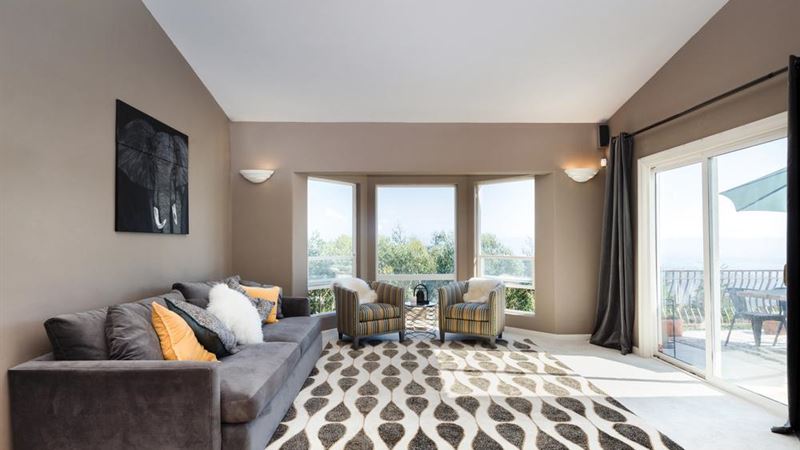
Choosing the right rug for your living room can significantly enhance the overall ambiance and style of your space. It’s not just about aesthetics; the right rug also adds comfort, anchors your furniture, and reflects your personal taste. To make an informed decision, consider the shape, size, color, pattern, texture, maintenance, and your budget. Whether your living room is large or small, modern or traditional, there are many options suited to your needs. In this comprehensive guide, we will walk you through all the essential factors to consider for selecting the perfect living room rug that complements your decor, fits your lifestyle, and stays within your financial plan.
Matching Rug Shape to Room Layout
Your room's shape plays a crucial role in selecting the appropriate rug form. For square rooms, opting for a square or round rug can balance the space’s symmetry and create a harmonious look. Conversely, rectangular rugs tend to suit rectangular-shaped rooms, providing a structured and elongated appearance. It is essential to measure your living space accurately, ensuring the rug’s edges are within 6 inches to 2 feet from the walls. This technique helps in defining the space without overwhelming it or leaving awkward gaps. Proper sizing enhances the room's aesthetic appeal and makes furniture arrangement easier, whether you want the rug to cover most of the floor or act as a subtle accent.
Your room's shape plays a crucial role in selecting the appropriate rug form. For square rooms, opting for a square or round rug can balance the space’s symmetry and create a harmonious look. Conversely, rectangular rugs tend to suit rectangular-shaped rooms, providing a structured and elongated appearance. It is essential to measure your living space accurately, ensuring the rug’s edges are within 6 inches to 2 feet from the walls. This technique helps in defining the space without overwhelming it or leaving awkward gaps. Proper sizing enhances the room's aesthetic appeal and makes furniture arrangement easier, whether you want the rug to cover most of the floor or act as a subtle accent.
Color Selection: Brightness and Mood
Color is a powerful tool in interior design, influencing mood and visual harmony. When choosing your living room rug, consider your existing furniture, wall color, and overall theme. For lively spaces with neutral wall tones, vibrant and bold-colored rugs can serve as statement pieces, injecting energy and warmth. If your furniture features intricate patterns or a varied color palette, opting for muted, subtle rugs in neutral shades can create a calming environment. These tones promote tranquility and balance, especially when paired with patterned or textured furnishings. The right color choice will not only complement your decor but also set the desired ambiance — cheerful and lively, cozy and intimate, or sophisticated and elegant.
Color is a powerful tool in interior design, influencing mood and visual harmony. When choosing your living room rug, consider your existing furniture, wall color, and overall theme. For lively spaces with neutral wall tones, vibrant and bold-colored rugs can serve as statement pieces, injecting energy and warmth. If your furniture features intricate patterns or a varied color palette, opting for muted, subtle rugs in neutral shades can create a calming environment. These tones promote tranquility and balance, especially when paired with patterned or textured furnishings. The right color choice will not only complement your decor but also set the desired ambiance — cheerful and lively, cozy and intimate, or sophisticated and elegant.
Patterns and Textures: Adding Depth and Interest
The pattern on your rug can significantly influence the visual appeal of your living room. Patterns can add personality, depth, and an element of playfulness or elegance. Select patterns that harmonize with your furniture and overall design theme. For example, geometric shapes suit modern and contemporary decor, while floral or intricate motifs complement traditional interiors. When choosing textures, consider both aesthetics and practicality. High-pile rugs with plush, soft surfaces offer a luxurious feel, perfect for comfort and elegance, but they require more maintenance and are less suited for high-traffic areas. Flatweave or low-pile rugs are easier to clean and ideal for modern, minimalistic spaces. Incorporating layered rugs or contrasting patterns can also add an interesting dimension to your living area, creating a layered and dynamic look.
The pattern on your rug can significantly influence the visual appeal of your living room. Patterns can add personality, depth, and an element of playfulness or elegance. Select patterns that harmonize with your furniture and overall design theme. For example, geometric shapes suit modern and contemporary decor, while floral or intricate motifs complement traditional interiors. When choosing textures, consider both aesthetics and practicality. High-pile rugs with plush, soft surfaces offer a luxurious feel, perfect for comfort and elegance, but they require more maintenance and are less suited for high-traffic areas. Flatweave or low-pile rugs are easier to clean and ideal for modern, minimalistic spaces. Incorporating layered rugs or contrasting patterns can also add an interesting dimension to your living area, creating a layered and dynamic look.
Material and Cleaning Considerations
Selecting the right material is vital for longevity and ease of maintenance. Wool rugs are durable, naturally stain-resistant, and excellent insulators, making them a popular choice for living rooms. Synthetic fibers such as nylon or polypropylene are budget-friendly, stain-resistant, and easy to clean, ideal for high-traffic or busy households. Natural fibers like jute or sisal provide an earthy, rustic appearance but may be more challenging to clean and maintain. Consider your lifestyle when choosing materials; for families with children or pets, durability and stain resistance are critical. Regular vacuuming, prompt stain removal, and occasional professional cleaning can extend your rug's lifespan, maintaining its beauty and functionality over the years.
Selecting the right material is vital for longevity and ease of maintenance. Wool rugs are durable, naturally stain-resistant, and excellent insulators, making them a popular choice for living rooms. Synthetic fibers such as nylon or polypropylene are budget-friendly, stain-resistant, and easy to clean, ideal for high-traffic or busy households. Natural fibers like jute or sisal provide an earthy, rustic appearance but may be more challenging to clean and maintain. Consider your lifestyle when choosing materials; for families with children or pets, durability and stain resistance are critical. Regular vacuuming, prompt stain removal, and occasional professional cleaning can extend your rug's lifespan, maintaining its beauty and functionality over the years.
Layering Rugs for Style and Comfort
Layering different rugs creates a unique, personalized look in your living room. You can start with a large, neutral base rug, such as a jute or sisal carpet, and add smaller, patterned, or textured rugs on top. This technique adds visual interest and helps define different zones within open-plan layouts. For longer or narrow rooms, placing two complementary rugs side by side can balance proportions and prevent the space from feeling too elongated. Experiment with contrasting textures—like combining a plush rug on top of a flatweave base—to create a tactile and visual contrast that enhances your decor. Layering also allows you to incorporate different styles, colors, and materials, giving your living room a curated, sophisticated appearance.
Layering different rugs creates a unique, personalized look in your living room. You can start with a large, neutral base rug, such as a jute or sisal carpet, and add smaller, patterned, or textured rugs on top. This technique adds visual interest and helps define different zones within open-plan layouts. For longer or narrow rooms, placing two complementary rugs side by side can balance proportions and prevent the space from feeling too elongated. Experiment with contrasting textures—like combining a plush rug on top of a flatweave base—to create a tactile and visual contrast that enhances your decor. Layering also allows you to incorporate different styles, colors, and materials, giving your living room a curated, sophisticated appearance.
Setting a Realistic Budget
A critical aspect of choosing the ideal living room rug is setting a clear budget. Beautiful, high-quality rugs are an investment, but there are options available at various price points. Evaluate what features matter most to you—such as durability, ease of cleaning, or aesthetic appeal—and allocate your budget accordingly. Decide if you are looking for a timeless piece that will last for years or a trendy accent rug that can be replaced eventually. Also, consider future plans; are you moving soon or planning to redecorate? These factors will influence your purchase decisions. Prioritize quality and functionality alongside cost, ensuring your rug enhances your living space without straining your finances. Remember to account for additional expenses like rug pads or professional cleaning services, which can prolong your rug's lifespan and maintain its appearance.
A critical aspect of choosing the ideal living room rug is setting a clear budget. Beautiful, high-quality rugs are an investment, but there are options available at various price points. Evaluate what features matter most to you—such as durability, ease of cleaning, or aesthetic appeal—and allocate your budget accordingly. Decide if you are looking for a timeless piece that will last for years or a trendy accent rug that can be replaced eventually. Also, consider future plans; are you moving soon or planning to redecorate? These factors will influence your purchase decisions. Prioritize quality and functionality alongside cost, ensuring your rug enhances your living space without straining your finances. Remember to account for additional expenses like rug pads or professional cleaning services, which can prolong your rug's lifespan and maintain its appearance.
In conclusion, selecting the right living room rug requires thoughtful consideration of various elements, including shape, size, color, pattern, texture, material, layering possibilities, and budget constraints. By paying attention to these factors, you can find a rug that perfectly complements your interior, suits your lifestyle, and provides lasting beauty and comfort. Take your time exploring different styles and materials to find a piece that truly elevates your living space while fitting within your budget. With careful planning, your new rug can become a focal point that ties your entire decor theme together, transforming your living room into a warm, inviting, and stylish retreat for years to come.