
Essential Guidelines for Timing Your Car's Oil Change for Optimal Performance
Understanding when to change your car's oil is crucial for engine health and efficiency. This article discusses standard, unusual, and severe driving conditions, highlighting how each influences oil change intervals. It explains the vital functions of engine oil, including lubrication, cooling, sealing, and debris trapping, emphasizing the importance of timely maintenance. Proper oil management extends engine life, boosts performance, and reduces repair costs. Learn how to determine the ideal oil change schedule based on your driving habits and vehicle type, ensuring your car remains reliable and efficient over time.
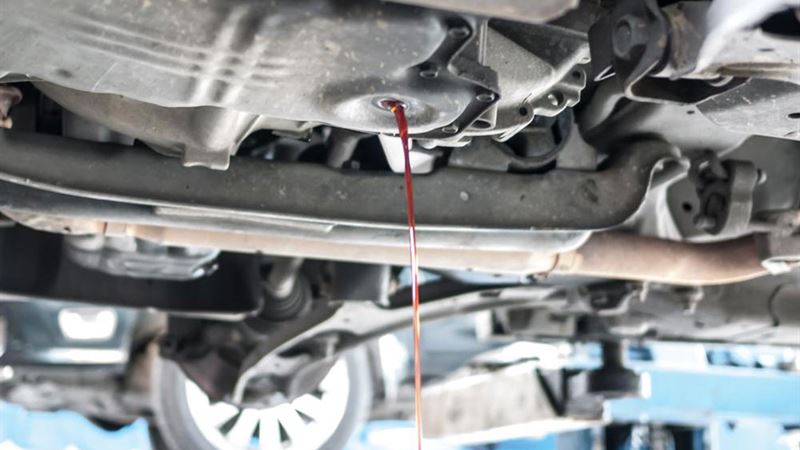
Maintaining your vehicle's engine health hinges significantly on timely oil changes. The frequency with which you should replace your engine oil depends on various factors, including your driving conditions, the type of oil used, and the age of your vehicle. Utilizing high-quality oils can extend the interval between oil changes, ensuring smoother operation and longevity of internal engine components. Conversely, opting for cheaper or low-grade oils may lead to quicker contamination and premature engine wear, potentially resulting in costly repairs down the line.
• Standard driving scenarios: For most drivers with typical driving routines, particularly those owning models from 2008 onwards, it is recommended to change engine oil approximately every 4,500 miles or twice a year, whichever comes first. This regularity helps maintain optimal engine performance and prevents unnecessary wear.
• Unusual or demanding driving conditions: If your driving habits include frequent off-road adventures, dusty environments, towing heavy loads, or long periods of idling at low speeds, more frequent oil changes are advisable. For vehicles manufactured after 2008, consider servicing every 3,000 miles or six months. For models older than 2007, the interval shortens to about 1,500 miles or three months, as their engine components and oil are more susceptible to wear under strenuous conditions.
• Harsh driving environments: Operating under severe conditions—such as stop-and-go city driving, frequent short trips, or extreme weather—accelerates oil degradation. The most detrimental scenario involves driving short distances at low speeds, which prevents the engine from reaching optimal operating temperature. This leads to quicker oil breakdown, contamination, and reduced lubrication effectiveness, ultimately shortening the engine's lifespan.
• Functionality of engine oil: Engine oil performs multiple critical functions that are vital for engine health. Firstly, it provides lubrication, reducing friction between moving parts to prevent premature wear. As oil ages or becomes contaminated, its viscosity increases, forming a thick layer that hampers movement rather than facilitating it. Secondly, oil helps dissipate heat generated by engine activity, transferring this excess heat away from vital components to prevent overheating. Thirdly, it seals gaps within the combustion chamber and rotary engine, ensuring efficient combustion and minimal loss of pressure. Additionally, engine oil traps debris and by-products from combustion through filtration, with oil filters needing replacement during oil changes to maintain cleanliness and engine performance.
Proper maintenance of engine oil, including regular changes based on driving habits and conditions, is essential for the durability and efficiency of your vehicle. Regular oil changes not only guard against engine damage but also optimize fuel economy, reduce emissions, and improve overall driving experience. Consulting your vehicle’s owner manual and adhering to recommended service intervals tailored for your driving environment will help keep your car running smoothly for years to come.