
Essential Considerations Before Purchasing Dentures: A Comprehensive Guide
Choosing the right dentures requires understanding various aspects like costs, stability, comfort, and suitability. This comprehensive guide delves into key factors such as types of dentures, potential challenges, procedural costs, and personal considerations to help you make an informed decision for your oral health needs.
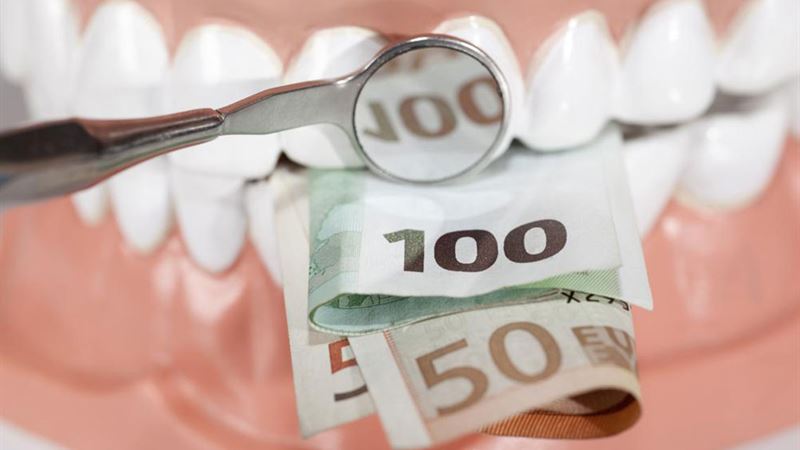
- Understanding Removable Dental Prosthetics
Dentures are artificial teeth designed to replace missing teeth and surrounding tissues. Unlike natural teeth, they are removable and come in various types, primarily categorized into complete and partial dentures. The cost of dentures varies depending on the materials used, design complexity, and whether they are custom-made or prefabricated. Conventional removable dentures are generally less expensive, while permanent solutions like dental implants involve surgical procedures and come at a higher price point. Before making a purchase, it’s crucial to understand the differences between these options and to consult with a dental professional to determine the best solution suited to your oral health needs and budget.
One important aspect to consider is the appearance of dentures. Modern dentures are designed to look very natural, but they may not replicate the exact look and feel of original teeth. While aesthetics are important, functionality and comfort should also be prioritized during selection.
- Potential for Slippage and Stability Challenges
Since removable dentures are not fixed to your jawbone, there is a possibility that they can shift or slip while talking, eating, or laughing. This can lead to embarrassment or discomfort, especially during social interactions. The stability of dentures depends on several factors, including the fit and your jawbone structure. For enhanced stability, some individuals opt for fixed dental implants, which serve as a permanent solution and reduce issues related to slippage. Although dental implants tend to be more expensive, their superior stability can significantly improve chewing efficiency and speech clarity.
Initial use of dentures may cause temporary discomfort. You may experience sore gums, irritation, or increased saliva production as your mouth adapts to the prosthetics. Proper adjustment and routine visits to your dentist can help alleviate these issues over time.
- Cost Implications of Dentures
The financial aspect of acquiring dentures is a critical consideration. The average cost of dentures can range anywhere from $1,000 to $5,000 depending on various factors such as material quality, type, and provider location. It’s advisable to obtain multiple quotes and understand what is included in the price — whether it covers initial fitting, adjustments, and follow-up care. Investing in quality dentures ensures durability and comfort, reducing the likelihood of frequent replacements or repairs, which can incur additional expenses.
When planning for your budget, remember that the upfront costs are only part of the overall expenses. Long-term maintenance, potential repairs, and adjustments should also be factored in to avoid unexpected financial burdens.
- Additional Dental Procedure Costs
The process of fitting dentures involves several steps that contribute to the overall cost. Extraction of damaged or decayed teeth can be costly, with each tooth removal ranging from $150 to $450 depending on complexity. Tooth extraction is a painful procedure that requires adequate healing time before the dentures can be properly fitted. Additionally, impressions of your gums and jaw measurements are necessary to create well-fitting prosthetics, which may involve multiple office visits and laboratory work.
It’s also important to consider the total number of extractions needed and your healing process timeline, as prolonged healing can delay the final fitting and increase costs.
- Factors Influencing Denture Suitability
Several personal factors determine the suitability and longevity of dentures. Age is an important factor, as older adults often experience changes in jawbone density and gum health that can affect denture fit. The condition of your jawbone, oral health, and overall physical health also play vital roles. Additionally, affordability and access to quality dental care influence the type of dentures you can obtain. A thorough assessment by your dentist considering these factors is essential for a successful outcome.
Engaging in open discussions with your dental care provider ensures that your specific needs are addressed, and you receive the most appropriate treatment within your budget. Moreover, speaking with other denture users can provide valuable insights and realistic expectations about the adaptation process and maintenance requirements.