
Comprehensive Guide to Home Renovation: Essential Steps and Tips
This comprehensive guide covers every crucial aspect of home remodelling, from budgeting and permits to choosing the right contractors and planning your renovation timeline. With detailed insights and expert tips, homeowners can navigate the complex renovation process confidently, ensuring successful transformations that add value and comfort to their homes.
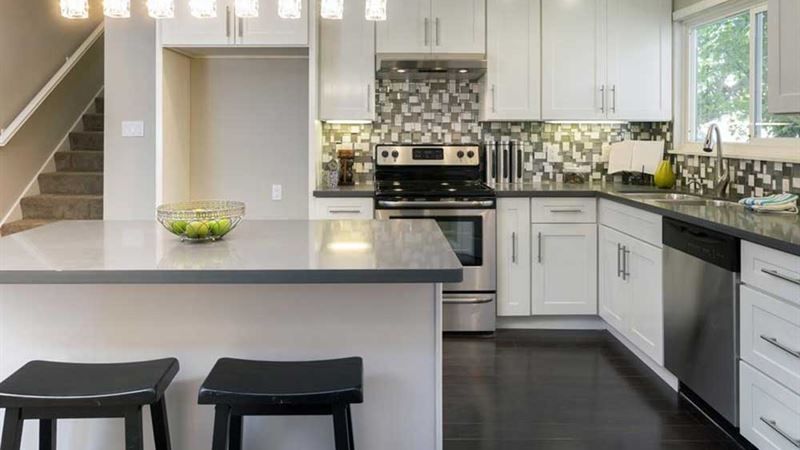
Undertaking a home renovation is an exciting journey that can significantly enhance your living space, increase property value, and reflect your personal style. However, beyond the excitement lies a complex process that requires careful planning, budgeting, and coordination. From understanding the typical costs associated with different renovation projects to securing permits and choosing the right contractors, homeowners must approach each step methodically to ensure a successful transformation of their property.
In this extensive guide, we delve into every aspect of home remodelling—from the initial planning stages to final touches—providing you with expert insights, practical tips, and detailed information to navigate your renovation project confidently. Whether you're considering a minor upgrade or a large-scale extension, this guide aims to equip you with the knowledge needed to make informed decisions and avoid common pitfalls.
Understanding the Costs of Home Renovation Projects
One of the most critical aspects of any renovation is the financial planning involved. Knowing what to expect in terms of expenses helps avoid surprises and ensures your project stays within budget. The costs can vary widely depending on the scope of work, location, materials chosen, and the complexity of the project.
For more substantial projects such as house extensions, homeowners should budget between £25,000 and £50,000. Smaller yet impactful renovations like bathroom or kitchen remodelling typically range from £6,000 to £15,000. Installing an entirely new heating system can cost approximately £4,000, while converting a loft into usable space might set you back around £40,000. Additionally, each new window installation could cost anywhere between £400 and £600, depending on the size and style.
While these figures serve as rough estimates, it is essential to obtain detailed quotes tailored to your specific project. Keeping a contingency fund—around 10-20% of your total budget—is also advisable to cover unforeseen expenses that may occur during construction.
Types of Home Renovations and Their Benefits
Home renovations can range from minor aesthetic updates to complete rebuilds. The type of renovation you choose depends on your goals, the age of your property, and your budget. Below are some of the most popular renovation types and their advantages:
- Single or Multi-Story Extensions: Expanding your living space vertically or horizontally can accommodate growing families or create designated areas for work, leisure, or guests. Extensions can significantly increase property value and functionality.
- Loft Conversions: Transforming an unused attic into a bedroom, office, or playroom maximizes your home's vertical space without extending the building footprint.
- Conservatories and Sunrooms: Adding a conservatory creates a bright, airy space that connects indoors with the garden, perfect for relaxing or entertaining guests.
- Kitchen Renovations: Upgrading your kitchen can dramatically improve your daily experience, enhance energy efficiency, and boost resale value.
- Bathroom Remodels: Modern, efficient bathrooms contribute to comfort and can serve as a focal point in home design.
- Basement and Garage Conversions: Repurposing underground or garage spaces into living areas, gyms, or workshops provides additional functional rooms without expanding your property's footprint.
- Garden Landscaping and External Improvements: Enhancing your outdoor space with landscaping, patios, or fencing increases curb appeal and creates a relaxing environment.
Remember, the possibilities are endless, and your renovation choices should reflect your personal needs and financial capacity. Consulting with professionals can help you identify the most effective ways to upgrade your home and avoid costly mistakes.
Preparatory Steps for a Smooth Renovation Journey
A successful home renovation hinges on meticulous planning and execution. Here's a comprehensive overview of essential preparatory steps to ensure your project runs smoothly from start to finish.
1. Secure Necessary Permits and Approvals
Before initiating any physical work, it is crucial to obtain the appropriate permits from local authorities. Permitting protects you legally and ensures that your renovations adhere to building codes, safety standards, and zoning laws. Depending on your location and the scope of work, you might require outline planning permission or full planning permission.
Outline permission provides a preliminary approval, acknowledging your proposed work in principle, and allows you to proceed with more detailed plans. This step is particularly relevant when planning major extensions, loft conversions, or external structures such as porches and decks.
Furthermore, some projects may qualify for Permitted Development rights, which allow certain types of work without full planning applications—subject to size and scale limitations. Always verify whether your project falls under permitted development to streamline the approval process.
In addition to planning permissions, compliance with building regulations is mandatory, especially for structural modifications, electrical wiring, plumbing, and safety features. Securing these approvals before construction begins prevents legal issues and potential delays.
2. Develop a Detailed Work Schedule
Create a comprehensive timeline that outlines each phase of the renovation. Breaking down the project into smaller tasks helps track progress, coordinate contractors, and manage resources efficiently. Your schedule should include external work such as bricklaying, roof repairs, window installations, and interior tasks like painting, flooring, and fixture fittings.
A well-organized work plan not only sets realistic deadlines but also acts as a contractual document that ensures accountability and clear communication with your chosen professionals. Regular updates and adjustments are essential as unforeseen issues may arise, requiring flexibility and adaptability.
3. Establish a Realistic Budget
Financial planning is arguably the most critical aspect of any renovation. Accurately estimating costs involves considering all expenses, including materials, labor, permits, and professional fees. Setting aside a contingency fund—usually 10-20% of your total budget—is essential to cover unexpected costs like hidden damage, delays, or design changes.
Being financially prepared prevents incomplete projects or compromises on quality due to budget constraints. Obtain detailed quotes from multiple contractors, itemize expenses, and compare these estimates thoroughly before committing to any agreement.
4. Selecting the Right Contracting Professionals
Choosing qualified, experienced contractors is vital for a successful renovation. During your research phase, seek recommendations from trusted sources, including friends, family, or industry professionals. Online reviews and portfolios showcasing previous work can also provide insights into their expertise.
Obtain multiple written quotes with detailed scope descriptions and payment schedules. Always verify licensing, insurance coverage, and relevant certifications—these ensure that your project complies with local regulations and provides protection against liabilities.
Discuss your project needs clearly and review their proposed timeline, budget, and materials. Clear communication and establishing expectations upfront foster a smooth collaboration throughout your renovation journey.
5. Define Your Renovation Goals and Design Preferences
Before contacting professionals, articulate your renovation goals. Create conceptual sketches or gather inspiration images to convey your vision clearly. Whether aiming for a modern, minimalist look or a traditional, cozy atmosphere, having a defined aesthetic helps contractors provide accurate estimates and feasible plans.
Planning architectural layouts and approved drawings early in the process ensures that everyone is aligned on your expectations. This foundation facilitates better project management and reduces the likelihood of costly revisions later on.
By meticulously following these steps—securing permits, planning schedules, budgeting wisely, selecting qualified specialists, and clarifying goals—you set yourself up for a successful home renovation. Each phase builds upon the previous, creating a structured approach that minimizes risks and maximizes the quality of your completed project.
Remember, patience, thorough research, and proactive management are key ingredients to transforming your house into the home you've envisioned.