
Essential Checklist Before Purchasing a Used Jeep on Sale
Learn the essential steps to thoroughly inspect a used Jeep before purchase. From checking the frame, tires, leaks, to modifications, this guide helps you identify potential issues. Ensuring the vehicle’s condition can save you money and guarantee safety. Discover expert tips for a smooth buying process and get the best value for your investment.
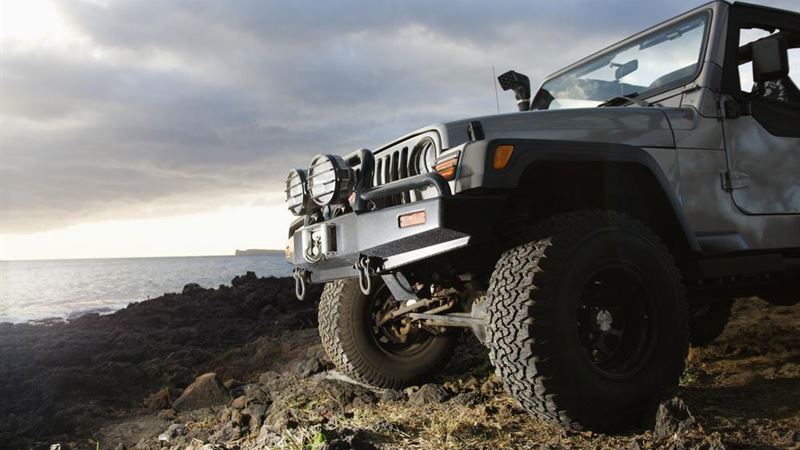
When considering buying a pre-owned Jeep, thorough inspection is crucial to ensure you are making a wise investment. Often, buyers overlook important aspects like the vehicle’s undercarriage, tires, potential leaks, and modifications. Failing to scrutinize these areas can lead to costly repairs down the road. This comprehensive guide will walk you through the critical points to check before finalizing your purchase, helping you secure a reliable and well-maintained Jeep that meets your needs and budget.
Inspecting the Undercarriage and Frame
The first and most vital step in evaluating a used Jeep is examining its undercarriage and frame. Corrosion and rust are common issues that can compromise the structural integrity of the vehicle. It is essential to inspect for rust-through spots, which appear as holes or weak spots in the frame. To do this effectively, get underneath the vehicle and visually inspect the entire chassis. Light tapping with a rubber mallet can reveal hidden rust flakes—if the frame flakes or crumbles easily, it indicates significant rusting and potential safety concerns.
Look for signs of recent repairs such as fresh paint or patches, which may suggest past accident damage or structural repairs. Dents, scratches, and uneven surfaces can also hint at rough usage or previous accidents. If the rust is extensive or the frame shows signs of severe corrosion, it’s wise to move on to a different vehicle. Ensuring the frame’s condition is sound is fundamental to vehicle safety, especially for a Jeep that’s often used for off-road adventures or rugged terrains.
Evaluating the Tires and Suspension System
Tires are often neglected during inspections, yet they are critical indicators of a vehicle’s history and maintenance. When inspecting a used Jeep, check whether the tires are evenly worn. Uneven wear patterns, such as more tread wear on the front tires, can indicate alignment issues or suspension problems. If the front tires are significantly more worn than the rear, it’s a red flag that the vehicle may have poor alignment, which could be costly to correct.
Assess the tread depth on all tires; shallow treads suggest the tires are nearing the end of their lifespan and may need replacement soon. Additionally, examine the sidewalls for cuts, bulges, or cracks, which can compromise safety. Properly functioning suspension components are vital for ride comfort and vehicle handling, especially for off-road-capable vehicles like Jeeps. Any suspicion of worn or damaged suspension parts should prompt a professional inspection.
Checking for Leaks and Fluid Condition
A thorough examination for leaks is indispensable when purchasing a used vehicle. Common leaks involve engine oil, transmission fluid, power steering fluid, and coolant. To detect leaks, start the vehicle (or have it running), and visually inspect the ground beneath the engine bay and under the vehicle for fresh spots or puddles.
Pay close attention to the condition of hoses and seals. Cracks, brittleness, or evidence of dried-up fluid indicate deterioration and potential future failures. Inspect the radiator, hoses, and transmission for signs of leaks or corrosion. A well-maintained Jeep should operate without any fluid leaks, ensuring optimal performance and reliability. Addressing leak issues early can save significant repair costs and prevent further damage.
Reviewing the Vehicle’s Modification and Upgrades
Many Jeep owners enjoy customizing their vehicles for off-road adventures or personal style. This often involves modifications such as lift kits, upgraded suspension components, larger tires, or aftermarket bumpers. While modifications can enhance performance and aesthetics, they may also affect the vehicle’s drivability and longevity if improperly installed.
When inspecting a used Jeep, investigate the history of modifications. Check whether these upgrades were professionally installed and if they are compatible with the vehicle’s specifications. Improper suspension modifications can cause uneven tire wear, poor handling, and even safety hazards. Confirm that suspension, steering, and braking systems are in good condition and compatible with the modifications. If modifications seem improper or poorly executed, it’s best to seek an expert’s opinion before proceeding with the purchase.
Additional Tips for Buying a Used Jeep
Beyond the primary components, it’s wise to verify the vehicle’s maintenance records, review the title for any liens or salvage history, and possibly conduct a professional mechanical inspection. Taking the Jeep for a test drive is essential to assess its handling, braking, and overall comfort. Listen for unusual noises, vibrations, or warning lights during the test drive. Also, verify that all electronic components, lights, and accessories are functioning correctly.
Considering a pre-purchase inspection from a qualified mechanic familiar with Jeeps can prevent unforeseen issues. Remember, patience and thoroughness are key to making a smart purchase, especially when buying a used vehicle with a history of off-road use and modifications. Following this detailed checklist will help you make an informed decision, ensuring your investment is secure and long-lasting.
Conclusion
Buying a used Jeep can be a rewarding experience if approached with careful inspection and due diligence. Focus on evaluating the structural integrity of the frame, the condition of tires and suspension, checking for leaks, and understanding any modifications. A comprehensive evaluation reduces the risk of future repairs and ensures safety and reliability on and off the road. Always seek professional advice if in doubt and take your time to select the best vehicle suited to your needs.