
How to Identify the Perfect Jeep Deal: A Comprehensive Guide
Discover comprehensive tips for identifying a reliable used Jeep. Learn about common issues, inspection techniques, and considerations for leasing or buying to make an informed decision. This guide helps ensure you find a Jeep that suits your needs, whether for off-road adventures or daily driving, avoiding costly mistakes and securing great value.
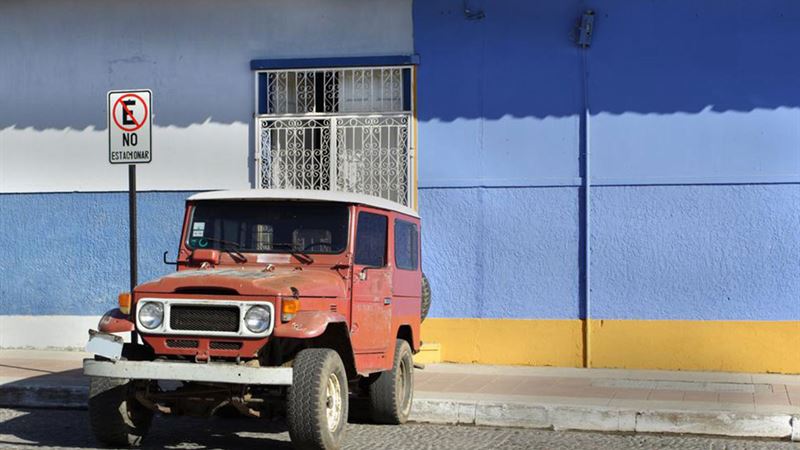
Jeep models vary widely, featuring an array of options that appeal to different drivers and purposes. Many manufacturers, notably Daimler-Chrysler, produce Jeeps known for their ruggedness and versatility. When aiming to purchase a used Jeep or trading in an older model for a newer one, it's crucial to thoroughly evaluate several key factors to ensure you're making a wise investment.
One of the primary considerations is the vehicle’s history. Older Jeeps can sometimes harbor hidden issues that the seller might not disclose upfront. As vehicles age, components wear out, and repairs become more frequent and costly. Enthusiasts often gravitate towards vintage or used Jeeps for their nostalgic appeal, but these vehicles require careful inspection before purchase.
Understanding the typical problems associated with older Jeeps can help you avoid costly repairs. For instance, carburetors in vintage models may need fine-tuning or complete replacement. Adjustments to angles and altitudes are often necessary to optimize performance, which can be challenging for inexperienced users. Heating systems may become less effective over time, resulting in inadequate warmth during cold seasons. Furthermore, suspension systems tend to become rough and less comfortable, impacting ride quality.
Before committing to a Jeep lease deal, it's important to acknowledge that an older vehicle's age poses unique challenges. Many aged Jeeps have undergone numerous modifications and repairs by previous owners, which can obscure the vehicle's true condition. These alterations, while sometimes beneficial, can also introduce problems that are not immediately apparent. A thorough inspection of critical components is essential before finalizing a purchase or lease agreement.
Pay particular attention to the engine's health. Look for signs of wear such as reduced power, strange noises, or excessive smoke. Check the suspension, especially leaf springs, which tend to rust and break over time. Inspect the spark plugs for corrosion or damage and examine the transmission for smooth operation. Loose or frayed cables can be a sign of poor maintenance, potentially leading to breakdowns down the road.
Despite these concerns, Jeep lease deals can be advantageous, particularly if your intended use is limited. Leasing a used Jeep may be economical if you don't plan to engage in extreme off-road adventures or demanding terrains. However, if you aim to utilize the vehicle for rugged off-roading or heavy-duty work, a pre-owned older Jeep might not withstand the rigors of such activities.
Additional tips for evaluating a good Jeep deal include checking the vehicle's maintenance records, ensuring proper documentation, and conducting a professional inspection. Test-driving the vehicle allows you to assess handling, braking, and overall comfort. Be wary of vehicles with signs of extensive repairs or mismatched parts, which could indicate past accidents or neglect.
In conclusion, purchasing a used Jeep requires careful research and thorough inspection. Understanding common issues associated with aging vehicles, inspecting vital components, and making informed decisions can help you find a reliable Jeep at a fair price. Whether buying outright or leasing, taking these precautions ensures you select a vehicle that meets your needs and provides value over time.