
Recognizing the Key Indicators of Bed Bug Infestation
Learn comprehensive methods to identify bed bug infestations. From tiny eggs and shed skins to fecal stains and bites, discover how to spot these pests early. Early detection is key to effective treatment and peace of mind. This detailed guide covers all the visual and behavioral signs, enabling homeowners to act swiftly and prevent widespread discomfort or damage.
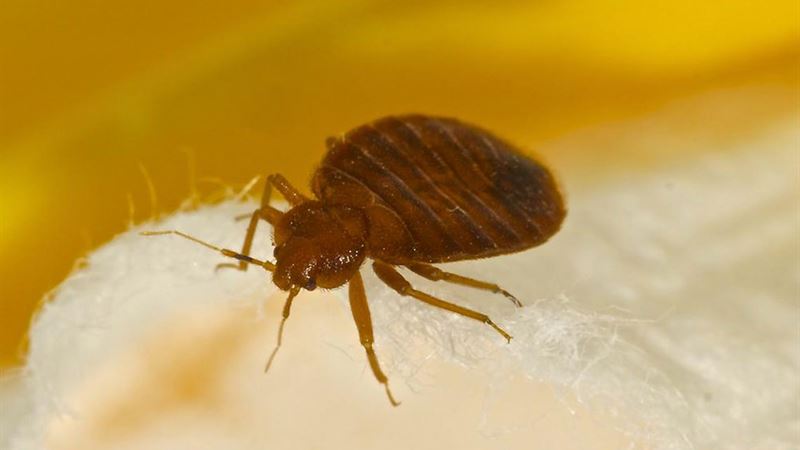
- Signs of Bed Bug Shells
Throughout their lifecycle, bed bugs shed their exoskeletons, known as molting or shells. These translucent shells are most visible in secluded areas such as mattress seams, furniture cracks, and behind headboards. Over time, accumulating shed skins can serve as clear indicators of ongoing infestation, especially when found in clusters.
- Fecal Stains on Bedding and Furniture
Bed bugs excrete dark, digested blood in the form of tiny fecal spots. These spots resemble small black marker dots, often appearing on mattress seams, bed frames, and nearby furniture. They are most noticeable after a feeding session when the bugs have expelled waste from their previous meal. The presence of these dark stains, especially in conjunction with other signs, strongly suggests infestation.
- Blood Stains on Sheets and Pajamas
Crushed or squashed bed bugs during sleep can leave behind small blood smears on sheets, pillowcases, or pajamas. Such stains are often seen as irregular, reddish marks and may be accompanied by larger blood droplets after bites. Both accidental crushes and dead bugs contribute to these blood stains.
- Small Dark or Beige Spots and Eggs
Inspect your bedding and furniture carefully for tiny dark spots—these may be fecal remnants or shed skins. Bed bug eggs are shiny white and often found clustered along mattress seams and creases. Their nymphs are beige in color and small enough to escape notice without a thorough look. Spotting these signs indicates active breeding and warrants action.
- Characteristics of Bed Bug Bites
While bites are a secondary sign, they often accompany other indicators. Bed bug bites resemble mosquito bites and usually manifest as red welts or bumps with a darker center, appearing days after the actual feeding. They commonly affect exposed skin areas like arms, legs, and shoulders, often in linear or clustered patterns. The bites cause itching, burning, and discomfort, and scratching can lead to secondary infections, emphasizing the importance of recognizing these signs early.