
Comprehensive Guide to Tomato Fertilizers: Enhancing Growth, Yield, and Quality
Learn how to optimize tomato growth with tailored fertilization strategies, from soil preparation to harvest. Discover organic fertilizer options, usage techniques at different growth stages, and tips for healthier, more productive tomato plants. Enhance your gardening with our expert guidance on nutrient management to ensure plentiful, flavorful tomatoes using eco-friendly practices.
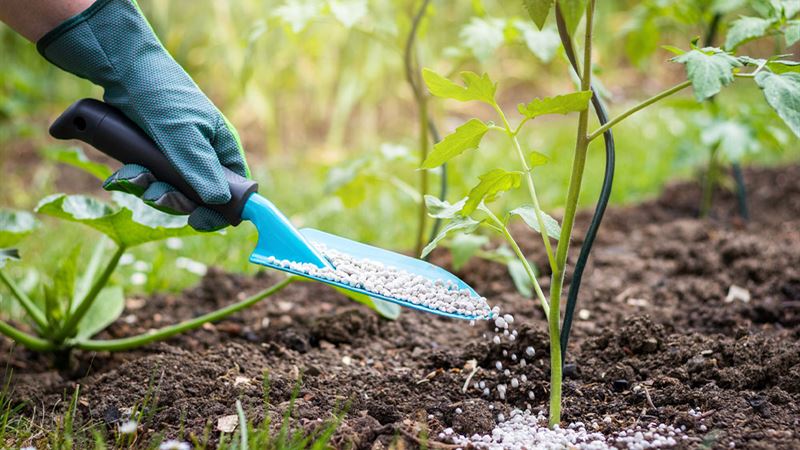
Understanding the Nutritional Needs of Tomato Plants
Tomato cultivation hinges on providing sufficient nutrients at different growth phases. Recognizing which nutrients are vital during each stage enables gardeners to apply targeted fertilization, leading to healthier plants and higher yields. The principal nutrients involved in tomato growth include nitrogen (N), phosphorus (P), and potassium (K), collectively known as macronutrients. These elements contribute uniquely to plant vigor, root development, flowering, and fruiting. An imbalance or deficiency of any key nutrient can impair growth and reduce the quality or quantity of the harvest.
Let’s delve into each nutrient’s role and significance:
- Nitrogen (N): During transplanting and early vegetative growth, nitrogen is critical for developing lush, green foliage. It promotes vigorous leaf and stem development, which is essential for establishing a strong foundation for the plant. Adequate nitrogen levels support photosynthesis and overall plant health.
- Phosphorus (P): Phosphorus is vital during the root development phase and early growth. It facilitates energy transfer within plant cells and enhances flowering and fruit set. Proper phosphorus levels lead to robust root systems that improve nutrient uptake and plant stability.
- Potassium (K): Potassium is especially important during flowering and fruiting stages. It ensures high-quality fruits, enhances disease resistance, and improves the overall resilience of the tomato plants. Potassium also helps in water regulation within the plant tissues, making it crucial for fruit development.
Maintaining an ideal balance of these nutrients depends on soil testing and observation of plant health. Soil testing services can identify nutrient deficiencies or excesses, guiding gardeners on the specific amendments needed to optimize plant growth.
Optimization of Fertilization Throughout Tomato Growth Stages
Effective tomato cultivation involves strategic fertilization tailored to each growth phase, ensuring that plants receive the right nutrients when they need them most. Here’s a comprehensive timeline of fertilization practices aligned with the tomato plant’s lifecycle:
- Pre-Planting Preparation: The foundation for a healthy crop begins with soil preparation. Incorporate organic matter such as well-aged compost or decomposed manure into the planting bed. This not only enriches the soil with essential nutrients but also improves soil structure, aeration, and moisture retention. Organic compost can be home-made by composting kitchen residues, plant waste, and organic manure, usually over a period of three months. Adding compost boosts microbial activity and nutrient availability, creating an optimal environment for seedling establishment.
- Seedling Stage: When transplanting young seedlings, avoid over-fertilizing to prevent root burn or excessive foliage growth that could weaken the plant. Use diluted organic fertilizers such as fish emulsion or seaweed extracts. These liquid feeds promote gentle nutrient delivery without overwhelming delicate roots, fostering healthy development until the plant becomes established.
- Early Vegetative Growth: During this phase, plants demand a nitrogen boost to develop a dense canopy of leaves and stems. Applying nitrogen-rich organic fertilizers, like a diluted fish fertilizer or compost tea, supports vigorous vegetative growth. Regular feeding encourages lush foliage capable of supporting later fruit production.
- Flowering and Fruit Set: Transition to fertilizers with higher phosphorus and potassium content. This promotes flowering, pollination, and healthy fruit development. Using organic sources such as crushed banana peels or kelp-based fertilizers can supply these nutrients naturally. Reduce nitrogen levels slightly to prioritize flowering over excessive foliage growth.
- Ripening and Harvesting: After fruit development begins, maintain soil fertility with compost applications and mulch layers. Mulches conserve moisture and gradually release nutrients, supporting maturation. Avoid over-fertilization at this stage to prevent excessive foliage or delayed ripening.
Understanding the specific needs at each stage and tailoring fertilization accordingly ensures robust growth, high yield, and superior fruit quality. Monitoring plant health and soil conditions is crucial to adapt fertilization strategies effectively.
Choosing Organic and Eco-Friendly Tomato Fertilizers
Many gardeners prefer organic fertilizers to promote sustainable and chemical-free cultivation. Several reputable brands offer products tailored for tomato growth, each with unique formulations and benefits. Here is an overview of popular organic options that combine effectiveness with environmental friendliness:
Espoma Tomato Tone Organic Fertilizer (3-4-6): This slow-release fertilizer is favored for enhancing flavor and ensuring consistent nutrient availability. Its organic formulation supports strong root development and overall plant health, resulting in better yields and tastier tomatoes. Priced around $25, it is affordable and widely available.
Burpee Organic Tomato & Vegetable Granular Food (3-6-4): Suitable for a diverse vegetable garden, this granulated organic fertilizer promotes higher productivity. Its nutrient profile favors fruiting and flowering, making it ideal for tomato plants. Costing approximately $10, it's a budget-friendly option for home gardeners.
Miracle-Gro Performance Organics Edibles (3-3-3): Designed for edible plants, this organic fertilizer is ideal for a mixed garden with vegetables, herbs, and fruits. It enhances flavor, increases yield, and supports healthy plant development. The cost is around $12.
Neptune’s Harvest Tomato & Veg Formula (2-4-2): Made from fish and seaweed extracts, this liquid fertilizer is highly concentrated. It can be diluted with water and applied via watering systems or foliar spray. It supports growth, improves yield, and costs roughly $30.
Jobe’s Organics Vegetable & Tomato Fertilizer Spikes (2-7-4): These convenient spikes are inserted into the soil near plants, offering a slow, steady nutrient release. They are especially effective for tomatoes and vegetables, costing about $9.
Using organic fertilizers—whether purchased or homemade—ensures that your crops remain free from harmful chemicals and fosters soil microbial health. This sustainable approach promotes eco-friendly gardening, yielding healthier produce and preserving environmental integrity.
While generating your own compost is a rewarding practice, these branded organic fertilizers provide a practical alternative for gardeners seeking consistent, reliable nutrition for their tomato crops without DIY hassle.