
Comprehensive Guide to Selecting the Perfect Gardening Supplies for Your Garden
Discover how to select the perfect gardening supplies to cultivate a healthy, sustainable garden. This detailed guide covers plant needs, soil quality, essential tools, fertilizers, pest control, watering systems, and eco-friendly practices, ensuring you make informed decisions for thriving plants and long-lasting beauty in your outdoor space.
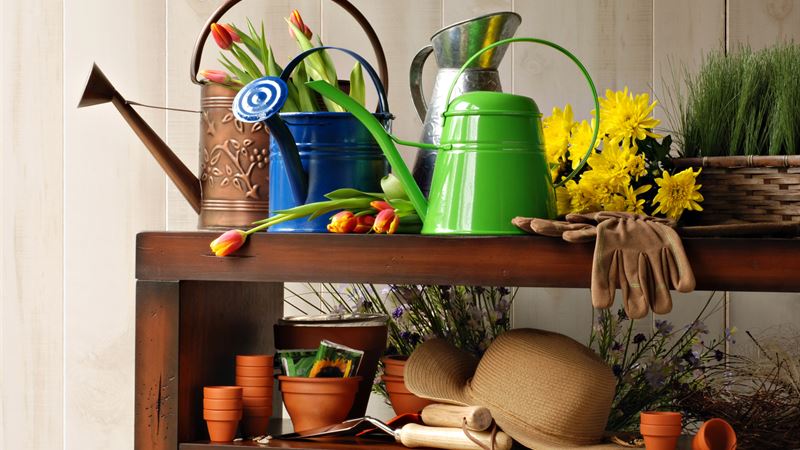
Creating a lush, vibrant garden starts with choosing the right supplies tailored to your plants and environment. From understanding plant-specific needs to selecting the best tools, soil, fertilizers, and watering systems, every decision impacts your gardening success. Proper planning ensures your garden remains healthy, productive, and sustainable year-round. This comprehensive guide explores every aspect of garden supplies—helping both beginners and seasoned gardeners make informed choices that will enhance their gardening experience and results. Let's dive into the essentials for cultivating your ideal garden.
Understanding the diverse requirements of various plants is crucial. Each plant species has unique needs in terms of soil composition, sunlight exposure, watering frequency, and nutrient levels. Identifying which plants you wish to grow will influence your supply choices, from selecting the appropriate soil types to the correct fertilizers and watering systems. This initial step lays the foundation for a thriving garden that reflects your vision and meets ecological standards.
Soil quality is perhaps the most vital aspect of successful gardening. Nutrient-rich, well-draining soil encourages healthy root development and robust plant growth. Conducting soil tests using affordable kits can reveal pH levels and nutrient content, guiding your amendments with the appropriate fertilizers and organic matter. If you're planning container gardening, potting soil designed for drainage and aeration is ideal. For garden beds, enriched garden soil mixed with compost ensures a fertile environment. Regular soil maintenance and testing are essential for long-term garden health.
Quality gardening tools are an investment that boosts efficiency and comfort. Selecting durable, ergonomic tools reduces fatigue and enhances precision. Basic tools every gardener should have include hand trowels for planting and transplanting, pruning shears for trimming, and garden forks for loosening soil and composting. Larger equipment such as spades and wheelbarrows facilitate heavy-duty tasks like soil excavation and transporting materials. Automated watering systems like hoses and sprinklers save time and ensure consistent hydration. Choosing tools made from high-grade materials ensures longevity—saving you money in the long run.
Fertilizers and soil amendments play a pivotal role in sustaining plant vitality. Organic options like compost and manure enrich the soil naturally, boosting microbial activity and nutrient availability. Inorganic fertilizers provide quick-release nutrients ideal for correcting deficiencies but should be used judiciously to avoid over-fertilization. When selecting fertilizers, consider your plants' specific nutritional needs and soil conditions. Regular fertilization combined with organic matter applications enhances soil structure, promotes healthy root systems, and increases yields, leading to a flourishing garden throughout the seasons.
Effective pest and weed control are critical in maintaining healthy, vigorous plants. Biological control methods, such as releasing ladybugs or using beneficial nematodes, offer eco-friendly pest management solutions. Organic pesticides derived from natural ingredients minimize environmental impact and prevent chemical buildup. Mechanical controls, including handpicking pests and employing physical barriers like netting or row covers, provide chemical-free options. To suppress weeds, mulching is highly effective—it blocks sunlight, conserves moisture, and reduces manual weeding. If necessary, gentle hand tools or chemical herbicides can be employed cautiously, prioritizing environmental safety and plant health.
Enhancing your gardening experience involves investing in practical safety gear and accessories. Gloves protect hands from dirt, thorns, and chemicals, while kneepads offer comfort during prolonged kneeling. Protect yourself from harmful UV rays using hats, sunscreen, and sunglasses. Suitable footwear like waterproof garden clogs or boots keeps feet dry and reduces fatigue. These safety measures not only improve comfort but also encourage regular gardening activity, making it safer and more enjoyable for everyone involved.
Watering systems are vital for maintaining optimal moisture levels. Efficient irrigation methods like drip systems deliver water directly to plant roots, conserving water and reducing disease risk. Soaker hoses provide a slow, deep watering option suitable for flower beds and vegetable patches. For larger gardens, automated sprinkler systems ensure even coverage and save time. Choosing an appropriate watering system depends on your garden size, plant types, and water resources. Proper watering practices foster healthy growth, prevent drought stress, and promote sustainable gardening.
For gardeners with limited space or those who prefer container planting, selecting the right planters is key. Materials such as plastic, clay, ceramic, or metal each have advantages and disadvantages concerning durability, weight, and aesthetics. Ensure containers are large enough for the plant's root system and have sufficient drainage holes to prevent waterlogging. Compact, attractive planters can elevate garden design, whether on patios, balconies, or small yards. Proper container selection supports healthy root development and makes your garden more versatile and adaptable to various environments.
Budget management is essential when sourcing gardening supplies. Set a clear budget to prioritize quality over quantity, balancing affordability with durability. Look for seasonal sales, discounts, or second-hand options to reduce costs without sacrificing essential tools and materials. Investing wisely in high-quality supplies saves money over time, as durable tools and materials last longer and perform better. Wise budget planning allows you to build a comprehensive garden setup without overspending, ensuring a sustainable and enjoyable gardening journey.
Sustainable gardening practices focus on eco-friendly supplies and methods to minimize environmental impact. Recycled materials for containers and tools help reduce waste, while organic fertilizers and pesticides support soil and plant health naturally. Water conservation techniques such as rainwater harvesting and efficient irrigation systems help preserve this precious resource. Adopting these sustainable practices not only benefits the environment but also promotes healthier, more resilient gardens that require less chemical input and water, fostering long-term ecological balance.
In summary, selecting the right gardening supplies involves careful evaluation of your garden's specific needs, investing in quality tools, and opting for environmentally responsible choices. Proper planning and informed decisions will lead to an abundant, thriving garden that provides pleasure and satisfaction throughout the seasons. Remember, the key to successful gardening is patience, knowledge, and a passion for nurturing your green space—happy gardening!