
Essential Gardening Techniques and Tips for a Thriving Garden
Discover comprehensive gardening strategies including companion planting, soil management, pest control, and plant protection techniques. These expert tips will help you cultivate a thriving, sustainable garden, whether you're a beginner or experienced gardener. Learn how to optimize plant health, prevent pests organically, and attract beneficial wildlife for a productive garden year-round.
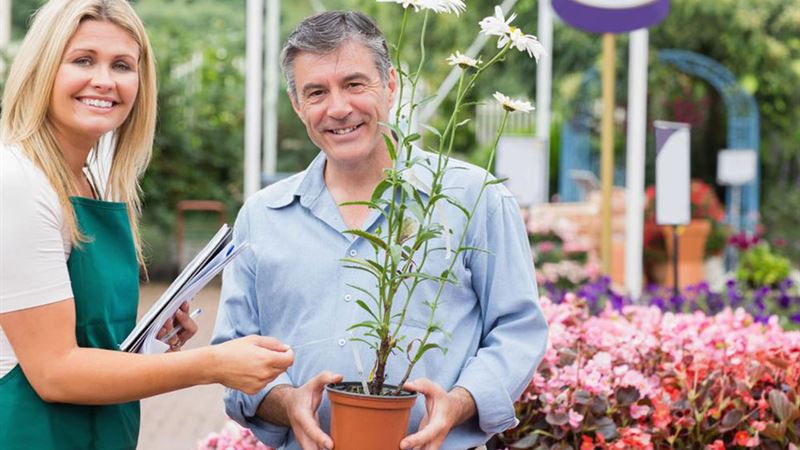
Creating a lush, productive garden requires more than just planting seeds and hoping for the best. It involves understanding various planting strategies, soil management, pest control, and maintenance techniques that can significantly enhance your gardening success. Whether you are a beginner or an experienced gardener, mastering these essential tips can transform your outdoor space into a flourishing oasis.
One of the most effective methods to improve plant health and yield is companion planting. This traditional gardening technique involves planting certain plants together that benefit each other by repelling pests, enhancing growth, or improving flavor. For example, planting basil beside tomatoes not only improves the taste but also helps keep pests away from your tomatoes.
Proper composting is crucial for soil fertility. Since compost needs time to stabilize in the soil before planting, it’s best to prepare your compost 20 days before planting to allow nutrients to break down and become available for your plants. This process enriches the soil naturally, reducing the need for chemical fertilizers and supporting sustainable gardening practices.
Harvesting ripe fruits and vegetables promptly is vital. Leaving produce in the garden once it’s ripe can attract pests, which may then spread to other plants. Regularly harvesting your crops not only maintains the health of your garden but also ensures your plants continue to produce.
The strategic use of insect-repelling plants can provide a natural defense against pests. Plants such as garlic, onions, chives, and chrysanthemums emit scents that deter common garden pests. Incorporate these around the perimeter of your garden beds for an eco-friendly pest control solution.
Overwatering is a common mistake that can harm plants more than underwatering. Excess moisture can lead to root rot and other diseases. It’s essential to learn the water requirements of each plant and adjust your watering schedule accordingly to promote healthy growth.
Starting seeds in shells is a creative and sustainable method. Egg shells serve as biodegradable pots that give seedlings an extra dose of calcium, promoting strong root development. Once seedlings are sturdy enough, plant them directly into the soil, shells and all, for an eco-friendly planting approach.
Encouraging beneficial wildlife such as toads can greatly reduce pest populations. Toads feed on insects, offering a natural pest control mechanism. Techniques to attract toads include providing suitable habitats like shallow water sources and hiding spots in your garden.
During hot summer months, maintaining soil moisture becomes a challenge. A practical solution is to place a diaper or absorbent material at the bottom of your plant containers beneath the soil. This method retains moisture longer, reducing the frequency of watering and preventing stress on your plants.
Protecting your garden from animals, including pets, can be achieved using simple tools. Placing plastic forks pointed upwards in the soil acts as a deterrent to digging animals and pets, safeguarding your plants from damage.
Companion planting isn’t limited to pest control. Certain herbs like basil planted near cabbages, beans, and tomatoes can protect these vegetables from pests and enhance their growth. Conversely, it's wise to avoid planting certain crops together; for instance, beans should not be grown near onions or garlic, while strawberries shouldn’t be planted close to cabbages or carrots, as incompatible plant pairs can hinder each other's development.
Understanding plant relationships and avoiding negative combinations is essential for a healthy garden. Researching compatible plant pairings can help prevent issues and optimize garden productivity. For example, planting carrots next to dill or corn near tomatoes can have negative effects. A good rule of thumb is to learn about these relationships during your planning stage.
Gardening is more than a hobby; it’s a commitment to nurturing life and believing in the future. As Audrey Hepburn famously said, “To plant a garden is to believe in tomorrow,” emphasizing the hope and promise involved in cultivating nature’s bounty.
Embarking on a gardening journey with these knowledge-based tips can enhance your gardening skills dramatically. Implementing companion planting, managing soil and watering properly, encouraging beneficial insects, and understanding plant compatibility are keys to creating an abundant, healthy garden. Gardening is a rewarding activity that, with patience and care, yields not just fresh produce but also peace of mind and a deeper connection with nature.