
Top 7 Organic Fertilizers to Boost Your Garden's Growth Naturally
Discover the top seven organic fertilizers to naturally enhance your garden's growth. From manure to compost, learn how to select and apply eco-friendly nutrients that improve soil health, promote lush plants, and support sustainable gardening practices. Perfect for gardeners seeking chemical-free alternatives, this comprehensive guide offers valuable insights for creating a vibrant, resilient garden ecosystem.
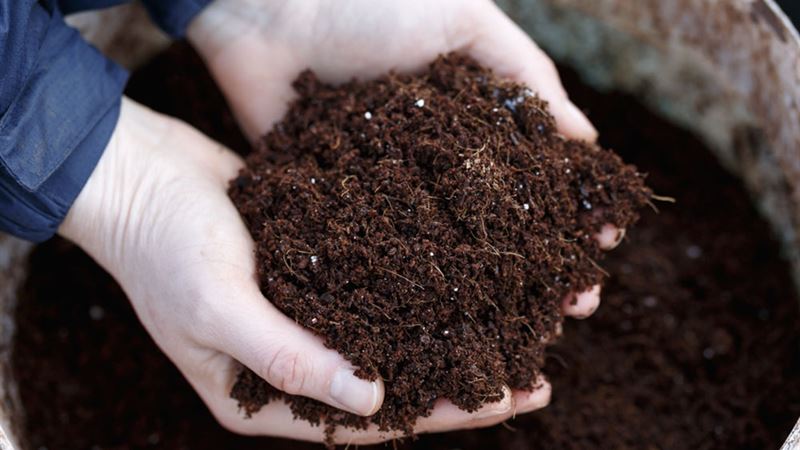
Healthy plants start with nourishing soil, and choosing the right organic fertilizers is crucial for cultivating vibrant, productive gardens. These natural supplements work harmoniously with the soil to enhance fertility, strength, and resilience against pests and diseases, fostering a sustainable gardening environment. Whether you're a seasoned gardener or a weekend hobbyist, understanding the most effective organic fertilizers will greatly influence your garden's success.
Organic fertilizers are derived from natural sources such as plant and animal waste, minerals, and organic matter. They provide essential nutrients slowly and steadily, improving soil structure, increasing microbial activity, and promoting healthy plant development without the risks associated with chemical fertilizers. Here, we'll explore the top seven organic fertilizers that can transform your garden into a lush oasis.
Understanding the Importance of Organic Fertilizers
The foundation of a thriving garden lies in the health of its soil. Rich, fertile soil supports robust root systems, optimal nutrient uptake, and vigorous plant growth. Organic fertilizers play a vital role in maintaining and enhancing soil health by replenishing nutrients naturally, encouraging beneficial microbial activity, and building organic matter content. They are environmentally friendly, sustainable, and safer for both plants and gardeners.
Key Organic Fertilizer Options for Your Garden
- Animal Manures: A traditional yet effective source rich in nutrients, manure from various animals offers a natural way to boost soil fertility. The most common types include cow, chicken, and goat manure, each with unique nutrient profiles and application considerations.
- Rock Phosphate: Composed of naturally occurring minerals, rock phosphate supplies phosphorus, essential for root and flower development. Its slow-release properties make it a sustainable choice for long-term soil enrichment.
- Compost: Decomposed organic material such as plant scraps, food waste, and manure creates nutrient-rich humus that improves soil structure, moisture retention, and microbial activity, enriching the garden ecosystem.
- Grass Clippings: An accessible and sustainable fertilizer source, grass clippings are high in nitrogen, making them excellent mulch and soil amendments that encourage lush foliage growth.
- Bone Meal: Derived from ground animal bones, bone meal supplies phosphorus and calcium, essential nutrients that promote strong stems and healthy roots across all plant types.
- Earthworm Castings: Often called vermicompost, earthworm castings are nutrient-dense, containing balanced levels of nitrogen, phosphorus, and potassium, and improve soil aeration and microbial diversity.
- Eggshells: An often-overlooked supplement, eggshells are rich in calcium, which helps prevent soil acidity and strengthens plant cell walls, leading to healthier, more resilient plants.
Choosing the Right Organic Fertilizer for Your Garden
Selecting the appropriate organic fertilizer depends on your soil’s specific needs. Conducting a soil test helps identify deficiencies and pH levels, guiding you toward the best nutrient sources. Other factors influencing your choice include soil texture, drainage capability, and crop type.
Considerations Before Applying Organic Fertilizers
- Soil Texture: Understanding whether your soil is sandy, loamy, clayey, or silty helps determine appropriate fertilization and watering practices.
- pH Levels: Soil acidity or alkalinity affects nutrient availability. Aim for a neutral pH around 6.5-7 for most plants, adjusting your fertilization strategy accordingly.
- Nutritional Requirements: Different plants have unique needs for nitrogen, phosphorus, and potassium. Balance your fertilization approach based on crop specifications and soil test results.
- Environmental Impact and Sustainability: Opt for fertilizers that promote ecological balance, improve soil health, and reduce runoff risks.
The Road to a Sustainable Garden
Maintaining healthy soil is an ongoing process that rewards gardeners with more productive and resilient plants. Organic fertilizers are essential tools in this journey, helping to restore soil vitality, increase biodiversity, and produce safe, nutritious crops. Embracing organic gardening practices aligns with environmental stewardship and can lead to a lush, thriving garden ecosystem that benefits both nature and gardeners alike.