Discover the ultimate guide to selecting the perfect winter boots that combine warmth, comfort, and safety. Learn about temperature ratings, activity considerations, proper sizing, and insulation features to keep your feet protected during the coldest months. Make informed choices from top brands and ensure your winter footwear suits your outdoor activities, providing lasting comfort and protection in snowy and icy conditions. Whether for casual wear or outdoor adventures, this comprehensive article helps you find boots that match your needs for a safe and comfortable winter season.
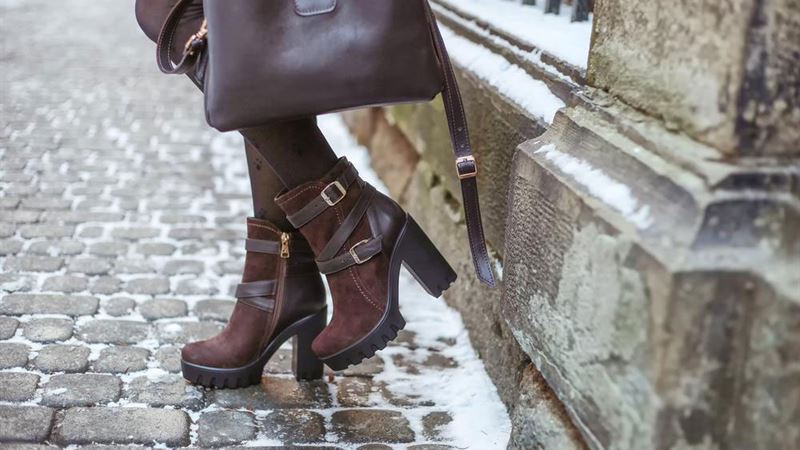
As winter approaches, choosing the right pair of winter boots becomes essential for maintaining comfort, warmth, and safety during cold weather. The marketplace offers a vast array of options, featuring brands like Baffin, Sorel, Merrell, The North Face, Columbia, Timberland, and Salomon, among others. These brands provide diverse styles, functionalities, and insulation types catered to different needs. Whether you are shopping for women’s or men’s winter footwear, whether you’re looking for snow boots, hiking boots, or insulated boots suitable for various outdoor activities, understanding key factors will help you make informed decisions that ensure your feet stay warm and dry throughout the winter months. Here is a comprehensive guide that covers important aspects to consider when selecting the perfect winter boots for your specific needs.
- Temperature Ratings: Ensuring Cold Resistance and Comfort
Knowing the temperature rating of winter boots is fundamental to choosing the right footwear. Each pair is designed for specific temperature ranges, often indicated on the label, helping consumers select boots that will keep their feet warm without overheating. Most winter boots are categorized into four main temperature zones, from extreme cold (-40°F or lower) to milder winter conditions (around 20°F). It’s advisable to purchase boots rated for temperatures lower than the usual cold you experience outside because this ensures added insulation in case of sudden temperature drops. For instance, if the outdoor temperature is around 10°F, selecting boots rated for -20°F or colder provides a margin of safety and comfort. The comfort range specified on each product label indicates the lowest temperature at which your feet will stay warm and dry, as well as the highest temperature where the boots prevent overheating. Proper insulation depends on your activity level and environmental conditions, so choosing a pair with an appropriate temperature rating is crucial for outdoor winter safety.
- Intended Activity and Use: Matching Boots with Your Outdoor Endeavors
Understanding your planned activities is vital in selecting suitable winter footwear. Whether you’ll be walking on snow, trudging through deep snow, snowmobiling, or trekking in wooded terrains, the demands differ significantly. If your activity involves standing still outdoors for durations, prioritizing warmer boots that provide maximum insulation is advisable. Conversely, if you plan to snowshoe or engage in vigorous movement, your boots should support breathability and moisture-wicking to prevent sweating and subsequent cold-related discomfort. Snow boots are specialized to keep cold and wet conditions out, making them ideal for prolonged exposure to snow and ice. For long-lasting comfort in icy conditions, look for boots with waterproof materials, proper traction, and insulating features designed for active movement. Choosing boots that match your activity ensures optimal warmth, flexibility, and safety, allowing you to enjoy winter outdoor activities without discomfort.
- Proper Fit and Sizing: Ensuring Comfort and Functionality
Getting the right fit is perhaps the most essential factor when buying winter boots. Ill-fitting footwear can lead to discomfort, frostbite risks, and poor insulation. The goal is to find boots that fit snugly but are not too tight, leaving enough room for thick, thermal socks without causing pressure points. Snow boots are often designed to be slightly looser than regular shoes to accommodate extra insulation layers, but there is a common misconception that larger size boots are necessary to fit thick socks. In reality, a well-fitting pair with quality insoles and lacing adjustments provides a better fit without excess space that can lead to cold spots. For individuals with narrow or wide feet, selecting boots with adjustable laces or multiple width options can improve fit and comfort. Using high-quality insoles or orthotics can further optimize fit and warmth, ensuring your feet stay warm, dry, and comfortable during prolonged outdoor activity. Remember that the right size not only enhances thermal efficiency but also reduces fatigue and enhances mobility.
In conclusion, selecting the ideal winter boots requires careful consideration of temperature ratings, activity level, proper fit, and insulation needs. With numerous brands and styles available, understanding these key factors ensures you choose footwear that offers maximum comfort, safety, and warmth throughout the winter season. Investing in quality winter footwear not only protects your feet from harsh weather conditions but also enhances your outdoor experience and overall wellbeing during the colder months. Take time to evaluate your specific needs, and choose boots that combine durability, functionality, and comfort for a worry-free winter.
