
Comprehensive Guide to Choosing the Perfect Men's Winter Snow Boots
This comprehensive guide details essential factors for selecting men's winter snow boots, emphasizing waterproof design, traction, insulation, and durable materials. Learn how to choose the right footwear to stay warm, dry, and safe during snowy conditions, whether for outdoor activities or daily commuting. Discover expert tips on sole traction, insulation lining, and waterproof features to ensure optimal comfort and performance in harsh winter environments. Equip yourself with knowledge to make informed purchasing decisions and enjoy winter without discomfort or risk.
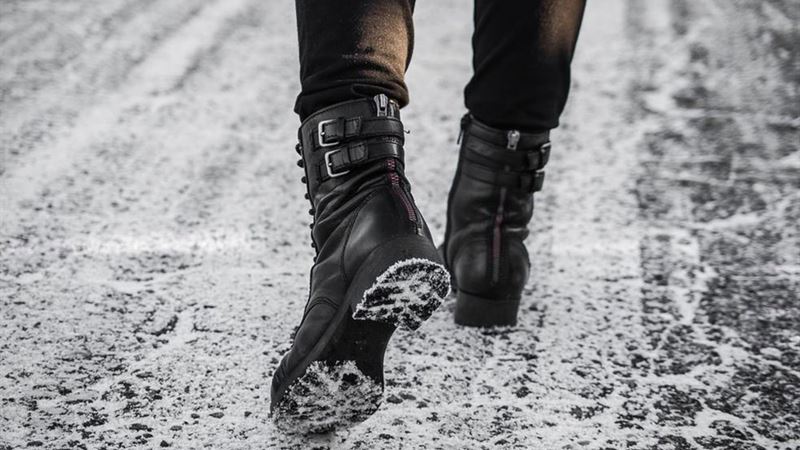
When winter arrives, practical and reliable footwear becomes essential for comfort and safety. Many men tend to opt for any warm shoes available, but selecting the right snow boots requires careful consideration of several critical factors. This extensive guide aims to equip you with the knowledge needed to find the ideal men's snow boots that combine functionality, durability, and comfort for the harshest winter conditions. From waterproof features and sole traction to insulation and material choices, we'll explore all the elements that make a snow boot perform excellently in snowy environments.
100% Waterproof Design for Total Dryness
One of the most vital features of a quality snow boot is its waterproof capability. Effective winter footwear must prevent moisture from seeping in, keeping your feet dry and preventing frostbite or discomfort. Modern snow boots are crafted with waterproof membranes and water-resistant textiles to withstand heavy snow and slush.
For example, Sorel Men’s Intrepid Explorer boots exemplify exceptional insulation combined with complete waterproofing. These boots use a waterproof, polyurethane-backed synthetic textile exterior that repels snow and moisture effectively. The rugged rubber outsole ensures superior traction on icy and slippery surfaces, making them suitable for snowy walks, commutes, or outdoor chores. Such boots are designed to withstand extreme cold and moisture, ensuring your feet stay dry and warm even under severe weather conditions.
Materials such as nylon, PU synthetic textiles, and waterproof leather are commonly used in high-quality snow boots. When shopping, prioritize models that guarantee full waterproof protection, especially if your winter activities involve prolonged exposure to snow or wet environments.
Choosing the Right Outsole: Rubber is Key
The sole of a snow boot plays a crucial role in safety and performance. While decorative leather soles may look appealing, they often lack the practicality needed for icy or wet terrains. Rubber soles, on the other hand, are robust, durable, and provide excellent grip in adverse conditions.
Snow boots with vulcanized rubber outsoles are particularly effective because they resist cracking and wear over time. Additionally, rubber soles offer superior traction on icy sidewalks, slushy roads, and uneven snow-covered paths, reducing the risk of slips and falls.
Look for boots like Columbia Men’s Bugaboot, which feature high-quality rubber soles designed specifically for winter conditions. These soles are often textured with deep treads to maximize grip and stability in icy environments. For heavy snowfall and extreme cold, boots with waxed or waterproof rubber outsoles enhance durability and grip, providing reliable footing in challenging winter terrains.
Insulation and Inner Lining for Warmth
Insulation is perhaps the most critical factor in a good snow boot. A well-insulated boot ensures your feet remain warm despite cold temperatures. Typical insulators include wool, fleece, fur, or synthetic thermal linings.
While woolen socks help in maintaining warmth, they alone are insufficient if the boot's lining isn't properly insulated. The inner lining should be lightweight yet capable of trapping heat effectively. Materials like Thinsulate, wool blend linings, or faux fur are popular choices for internal insulation.
Additionally, removable linings offer the advantage of easy drying or replacement, which is especially valuable if your boots encounter moisture or snow melt. A boot with a moisture-wicking, breathable interior keeps sweat away from your skin, preventing dampness that can lead to chill.
For optimal performance, consider boots such as Kamik Men’s Nationplus, which combine waterproofing with effective insulation, ensuring both dryness and warmth in winter.
Additional Features to Consider
When selecting men's snow boots, pay attention to other practicality features: an adjustable lacing system for a snug fit, reinforced toe caps for durability, and padded cuffs for comfort. A good snow boot should also be lightweight enough for mobility yet sturdy enough to handle rugged outdoor activities.
Remember to evaluate the fit by trying on different sizes to ensure that there is enough room for thick socks without restricting circulation. Proper sizing prevents blisters and cold spots.
In summary, investing in high-quality men's snow boots that are waterproof, have excellent traction, proper insulation, and sturdy soles will protect your feet and keep you comfortable throughout winter. Whether you're commuting, hiking, or shoveling snow, choosing the right footwear is crucial for safety and enjoyment during the cold months.
Equip yourself with these insights, choose the right pair, and bid farewell to cold, wet feet in winter. Stay warm, stay safe!
100% Waterproof Design for Total Dryness
One of the most vital features of a quality snow boot is its waterproof capability. Effective winter footwear must prevent moisture from seeping in, keeping your feet dry and preventing frostbite or discomfort. Modern snow boots are crafted with waterproof membranes and water-resistant textiles to withstand heavy snow and slush.
For example, Sorel Men’s Intrepid Explorer boots exemplify exceptional insulation combined with complete waterproofing. These boots use a waterproof, polyurethane-backed synthetic textile exterior that repels snow and moisture effectively. The rugged rubber outsole ensures superior traction on icy and slippery surfaces, making them suitable for snowy walks, commutes, or outdoor chores. Such boots are designed to withstand extreme cold and moisture, ensuring your feet stay dry and warm even under severe weather conditions.
Materials such as nylon, PU synthetic textiles, and waterproof leather are commonly used in high-quality snow boots. When shopping, prioritize models that guarantee full waterproof protection, especially if your winter activities involve prolonged exposure to snow or wet environments.
Choosing the Right Outsole: Rubber is Key
The sole of a snow boot plays a crucial role in safety and performance. While decorative leather soles may look appealing, they often lack the practicality needed for icy or wet terrains. Rubber soles, on the other hand, are robust, durable, and provide excellent grip in adverse conditions.
Snow boots with vulcanized rubber outsoles are particularly effective because they resist cracking and wear over time. Additionally, rubber soles offer superior traction on icy sidewalks, slushy roads, and uneven snow-covered paths, reducing the risk of slips and falls.
Look for boots like Columbia Men’s Bugaboot, which feature high-quality rubber soles designed specifically for winter conditions. These soles are often textured with deep treads to maximize grip and stability in icy environments. For heavy snowfall and extreme cold, boots with waxed or waterproof rubber outsoles enhance durability and grip, providing reliable footing in challenging winter terrains.
Insulation and Inner Lining for Warmth
Insulation is perhaps the most critical factor in a good snow boot. A well-insulated boot ensures your feet remain warm despite cold temperatures. Typical insulators include wool, fleece, fur, or synthetic thermal linings.
While woolen socks help in maintaining warmth, they alone are insufficient if the boot's lining isn't properly insulated. The inner lining should be lightweight yet capable of trapping heat effectively. Materials like Thinsulate, wool blend linings, or faux fur are popular choices for internal insulation.
Additionally, removable linings offer the advantage of easy drying or replacement, which is especially valuable if your boots encounter moisture or snow melt. A boot with a moisture-wicking, breathable interior keeps sweat away from your skin, preventing dampness that can lead to chill.
For optimal performance, consider boots such as Kamik Men’s Nationplus, which combine waterproofing with effective insulation, ensuring both dryness and warmth in winter.
Additional Features to Consider
When selecting men's snow boots, pay attention to other practicality features: an adjustable lacing system for a snug fit, reinforced toe caps for durability, and padded cuffs for comfort. A good snow boot should also be lightweight enough for mobility yet sturdy enough to handle rugged outdoor activities.
Remember to evaluate the fit by trying on different sizes to ensure that there is enough room for thick socks without restricting circulation. Proper sizing prevents blisters and cold spots.
In summary, investing in high-quality men's snow boots that are waterproof, have excellent traction, proper insulation, and sturdy soles will protect your feet and keep you comfortable throughout winter. Whether you're commuting, hiking, or shoveling snow, choosing the right footwear is crucial for safety and enjoyment during the cold months.
Equip yourself with these insights, choose the right pair, and bid farewell to cold, wet feet in winter. Stay warm, stay safe!