
Ultimate Guide to Choosing the Perfect Snow Boots for Men
Discover essential tips for selecting men's snow boots that combine waterproofing, durability, and insulation. Learn how to choose the best soles, materials, and features to stay warm and dry during winter. This comprehensive guide ensures you find footwear that offers safety, comfort, and style for all your cold-weather needs, making winters safer and more enjoyable.
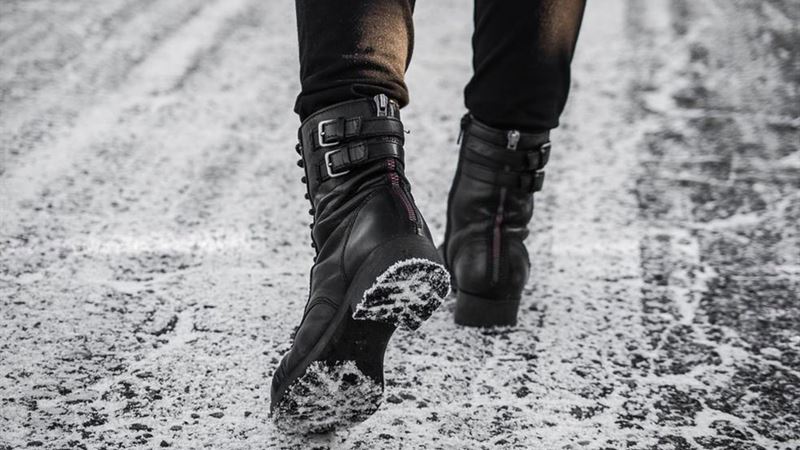
When winter approaches and snow begins to fall, selecting the right footwear becomes essential for comfort, safety, and warmth. Men often prioritize practical need over style when it comes to snow boots, but with the right knowledge, you can find boots that are both functional and comfortable. This comprehensive guide will walk you through all the crucial factors to consider—from waterproofing and sole material to insulation and fit—to ensure you stay dry, warm, and secure during the coldest months. Whether you're heading out for snow shoveling, winter hiking, or simply commuting in icy conditions, choosing the proper snow boots can make all the difference. Here’s everything you need to know to make an informed purchase.
Why Waterproofing Is the Top Priority
The defining characteristic of a high-quality snow boot is its ability to keep your feet completely dry, regardless of how deep and wet the snow gets. Waterproofing prevents snow and slush from seeping inside, protecting your feet from cold, moisture, and potential frostbite. Modern snow boots utilize advanced materials and construction techniques to achieve full waterproofing. For example, synthetic textiles with PU (polyurethane) backing create a barrier against water penetration while remaining breathable. Brands such as Sorel and Columbia employ these materials in their winter footwear lines, offering excellent insulation alongside waterproof features. The outsole is equally crucial; rubber outsoles are preferred because they prevent water absorption, offer flexibility, and ensure durability under harsh conditions. When shopping for snow boots, verify that the exterior fabric is waterproof and that the seams are sealed properly to prevent leaks.
Choosing the Right Sole for Traction and Durability
The sole of a snow boot plays a vital role in providing stability and grip on icy or snow-covered surfaces. Rubber soles are highly recommended due to their slip-resistant properties and resilience in freezing temperatures. Unlike leather soles, which can become slick and less reliable, rubber outsoles offer superior traction, reducing the risk of falls and injuries. Look for options with deep lugs and a vulcanized rubber outsole for enhanced grip in muddy, icy, or snowy conditions. The Columbia Men’s Bugaboot series exemplifies boots with tough rubber soles designed for winter terrain. Additionally, a waterproof and insulated midsole adds extra comfort and protection in extreme cold. Remember, a durable sole not only enhances safety but also extends the lifespan of your footwear, making it a worthwhile investment.
Importance of Proper Insulation and Inner Lining
Keeping feet warm in winter is critical, and the inner lining of your snow boots directly influences insulation and comfort. Genuine winter boots should feature insulation layers that trap heat effectively while allowing moisture to escape. Wool, fleece, or specialized synthetic fibers are common choices, but their effectiveness depends on quality and thickness. Thin, lightweight linings made of nylon and fur blends, like those found in Kamik Men’s Nationplus boots, offer excellent insulation without bulk. It’s advisable to select boots with removable linings, facilitating easy drying if they become wet. When trying on boots, ensure a snug yet comfortable fit to keep warm air close to your foot and prevent chafing. Remember, excessive tightness can impede circulation and reduce warmth, while loose boots can lead to heat loss and instability. Choose well-insulated boots designed specifically for cold weather, and pair them with moisture-wicking socks to optimize warmth.
Additional Features to Consider
- **Fit and Comfort**: Proper fit is essential; too tight, and circulation is hindered, too loose, and warmth escapes. Always try on boots with socks you plan to wear during winter.
- **Height of the Boot**: Higher boots provide better ankle support and prevent snow from entering. Look for mid-calf or higher models for added protection.
- **Ease of Wear**: Features like side zippers, adjustable straps, or laces can make it easier to put on and remove boots quickly, especially in cold or snowy weather.
- **Weight**: Lighter boots reduce fatigue during extended wear, but should still offer sufficient insulation and grip.
- **Breathability**: While waterproofing is key, ensure your boots also allow moisture vapor to escape so your feet don’t feel clammy.
With these comprehensive tips, selecting the perfect men’s snow boots becomes straightforward. Investing in quality footwear designed for winter conditions will ensure you stay warm, dry, and safe throughout the chilly season. Whether shopping online or in stores, prioritize waterproof features, sturdy soles, good insulation, and a comfortable fit. Your winter adventures and daily commutes will become far more enjoyable and safe with the right pair of snow boots at your feet!