
Comprehensive Guide to Sewing Machine Repair: Essential Tips and Insights
This comprehensive guide covers essential sewing machine repair tips for various models, including common problems, troubleshooting methods, and when to seek professional help. Learn how to maintain your machine and address issues efficiently to prolong its lifespan and ensure top stitching quality.
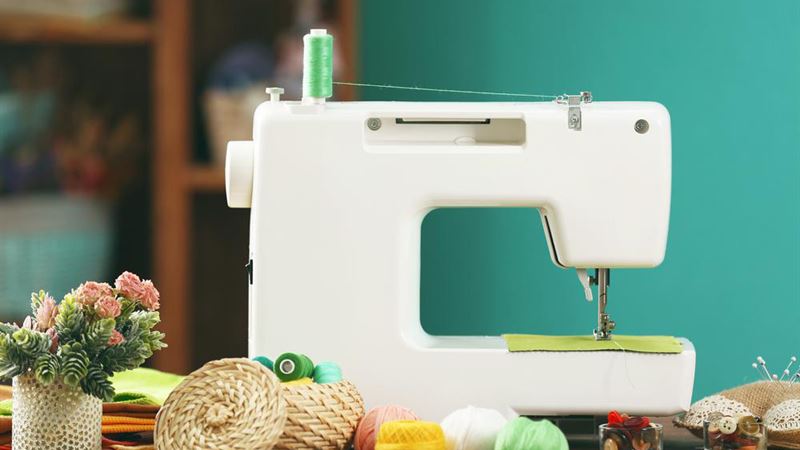
Sewing machines today come in a wide variety of styles and complexities, each tailored to specific uses and environments. Household models are designed for simplicity and ease of use, enabling individuals to perform basic sewing tasks with minimal effort. These models typically feature straightforward controls and a limited range of stitches, making them ideal for personal projects. In contrast, industrial sewing machines are built for high-volume, professional use, displaying a broad spectrum of sizes, designs, and functionalities to cater to various manufacturing needs. Understanding the differences between these machine types is crucial when seeking repair or maintenance services.
With the diverse range of sewing machines available, encountering problems or malfunctions is common. Whether you’re a hobbyist or a professional, knowing how to troubleshoot and address these issues can save both time and money. Regular maintenance and timely repairs ensure your machine runs smoothly, prolongs its lifespan, and maintains high-quality stitching performance. This comprehensive guide will walk you through common sewing machine problems, their causes, and solutions, emphasizing the importance of professional help when necessary.
Common Sewing Machine Problems and Troubleshooting
- Broken Needles: Needles can break due to excessive force, dullness, or incorrect threading. Replacing broken needles promptly is vital to avoid further damage and ensure clean stitching.
- Misaligned or Bent Presser Foot: An improperly mounted or bent presser foot can disrupt fabric feeding and stitch quality. Regular inspection and adjustment are recommended.
- Needle Misalignment: If the needle is not positioned correctly, it may skip stitches or cause damage. Adjusting the needle position or replacing it can resolve this issue.
- Incorrect Pressure on Presser Foot: Too much or too little presser foot pressure hinders fabric movement, resulting in uneven stitches. Proper adjustment according to fabric type is necessary.
- Unsecure Needle Foot: A loosely attached needle foot can lead to skipped stitches or jammed fabric. Ensuring secure attachment is critical.
- Worn Tension Disks: Over time, tension disks may wear out, causing inconsistent tension and uneven stitches. Replacing tension parts is often required.
- Clogged Feed Dogs: Dirt and lint accumulation can clog feed dogs, affecting fabric advancement. Regular cleaning keeps the feeding mechanism functional.
- Adjustment Needs: Sometimes, slight adjustments to machine settings or parts are enough to fix operational issues. A good understanding of your machine’s manual is helpful.
While many common problems have straightforward solutions, some malfunctions require the expertise of a professional technician. Addressing complex issues early prevents further damage and costly repairs.
Types of Sewing Machines and Their Repair Needs
Knowing the specific type of sewing machine you own is essential for effective repair and maintenance. Let’s explore the most common categories:
- Mechanical Sewing Machines: These are traditional models that operate primarily through manual dials, knobs, and levers. They are generally simpler but can be more challenging to repair, especially if certain parts become obsolete or hard to find. Mechanically inclined technicians familiar with vintage equipment are best suited for repairs of these models. Despite their simplicity, mechanical machines may produce less precise stitches compared to modern counterparts. Proper care and occasional part replacement can extend their service life significantly.
- Computerized Sewing Machines: These modern marvels incorporate advanced electronics and digital interfaces, offering a wide array of stitch options, fonts, and decorative patterns. Known for their durability and versatility, these machines can handle complex embroidery and sewing projects with ease. However, their sophisticated technology requires specialized knowledge for repairs. It is advisable to seek technicians experienced with specific models, especially if your machine can connect to computers or has customizable features for optimal performance and longevity.
- Electric Sewing Machines: Combining elements of both mechanical and computerized models, electric sewing machines provide a good transitional solution. They typically feature multiple stitch types, buttonhole functions, and LCD screens for easy adjustments. These machines are reliable, often boasting extended lifespans, and are widely supported by professional repair services. Regular maintenance, including cleaning and lubrication, can keep electric models functioning smoothly for years.
In conclusion, understanding your sewing machine’s type, features, and common issues is vital for proper maintenance and timely repairs. Whether you own a vintage mechanical unit or a state-of-the-art computerized model, seeking professional assistance when needed ensures optimal performance and longevity.