
Comprehensive Guide to Garage Spring Replacement Costs and Options
This detailed guide explores garage spring replacement costs, comparing DIY options with professional services, and offers safety tips. Learn about spring types, signs for replacement, tools needed, and how to choose the best solution for your garage. Ensuring proper maintenance enhances safety and prevents costly damage. Whether you do it yourself or hire a professional, understanding the costs and process is crucial for safe and efficient garage operation.
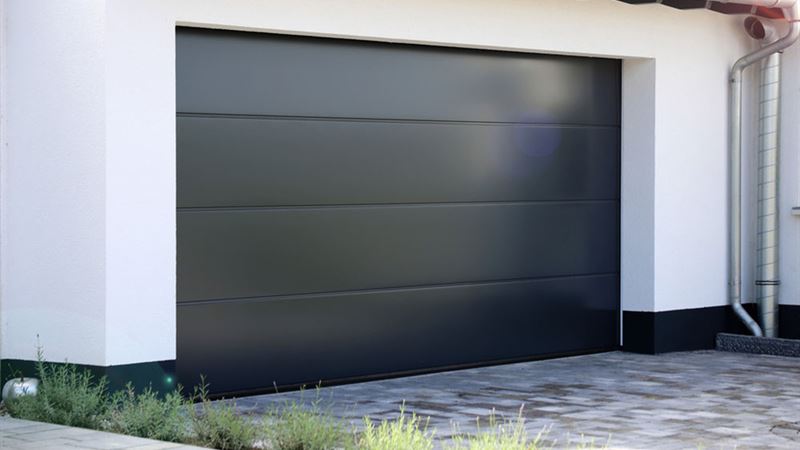
The springs that operate your garage door are crucial components that handle tremendous amounts of tension and compression. When these springs become worn out, broken, or damaged, they compromise the smooth operation of your garage door, potentially leading to safety hazards or further damage to the door and opener system. Understanding the costs associated with replacing garage door springs is essential for homeowners who want to keep their garages functional and safe.
The primary function of garage door springs is to counterbalance the weight of the door, enabling it to open and close effortlessly. There are two main types of springs used in residential garage doors: extension springs and torsion springs. Each type has its own installation process, advantages, and price points. When these springs fail or break, replacement becomes urgent to restore normal operation and safety.
In this comprehensive guide, we will explore the typical costs involved in garage spring replacement, the difference between DIY and professional repairs, what tools and materials you need, and safety tips to consider. Whether you're a budget-conscious homeowner or prefer to hire professionals, this guide aims to equip you with all the necessary information for making informed decisions about garage spring repairs.
Understanding the Role of Garage Door Springs
Garage door springs are under extreme tension when the door is closed. This tension provides the necessary force to lift the heavy door smoothly. Essentially, these springs absorb the stress and strain of opening and closing, reducing the load on the garage door opener motor. There are two primary types:
- Extension Springs: These run parallel to the horizontal tracks on either side of the door and stretch as the door closes. They are usually simpler to install but require careful handling due to their high tension.
- Torsion Springs: Mounted above the door opening, torsion springs twist to generate torque. They tend to be more durable and provide smoother operation but are more complex to replace.
Signs Your Garage Springs Need Replacement
Knowing when your garage springs need attention is vital for safety and to prevent further damage. Common signs include:
- Garage door opening unevenly or partially
- Springs visibly broken or slipping
- Unusual noises during operation
- Door feels heavy when opening manually
If you encounter any of these issues, it's advisable to inspect the springs or call a professional for assessment.
Cost Breakdown for Garage Spring Replacement
DIY Garage Spring Replacement Costs
For homeowners who prefer a hands-on approach, replacing garage door springs yourself can be economical. The cost of parts is relatively low, with extension springs and torsion springs generally priced under $50 per set. If you purchase the correct springs and have the necessary tools, the total expense for a DIY replacement typically hovers around $50 to $75. The main expenses include:
- Springs — $30 to $50
- Tools (if you don’t already own them) — $20 to $50
However, DIY repair is not suitable for everyone. Garage door springs store a lot of tension, and improper handling can result in serious injury or property damage. Precise knowledge of spring types and safety precautions is critical to avoid accidents.
Tools and Materials Needed
Those opting to replace springs themselves should prepare accordingly. Essential tools include:
- Clamps and locking pliers
- Safety goggles and gloves
- Winding bars (for torsion springs)
- Screwdrivers and wrenches
- A sturdy ladder or step stool
It’s crucial to follow proper safety procedures, as garage springs are under high tension that can cause severe injuries if mishandled.
Professional Garage Spring Replacement Costs
Engaging a professional for garage spring replacement generally costs between $200 and $400. Several factors influence the final price:
- Type of spring (extension or torsion)
- Size and weight of the garage door
- Complexity of the installation
- Region and service provider rates
Professional repair includes labor, parts, and safety management, ensuring the job is done safely and efficiently. Most technicians use specialized tools and experience to handle springs correctly, minimizing risk.
Choosing Between DIY and Professional Services
While DIY replacement can save money, it’s only recommended for those with proper knowledge, experience, and tools. Safety concerns should always be a priority—garage springs are designed to withstand tremendous tension and can cause injury if mishandled. If you lack confidence or sufficient technical skills, hiring a professional is the safest choice. Professionals not only ensure safety but also guarantee the longevity of the repair.
Additional Tips and Safety Precautions
Regardless of whether you choose DIY or professional service, keep the following safety tips in mind:
- Always disconnect the garage door opener before starting repairs
- Use appropriate safety gear, including goggles and gloves
- Handle springs with care, respecting their tension
- Work on a stable surface and ensure your ladder is secure
- If unsure about the process, consult a professional
Conclusion
Garage spring replacement is a vital maintenance task that impacts the safety, functionality, and security of your garage. Understanding the associated costs and options helps you make informed decisions. DIY replacement can save money but requires caution and proper skills. Meanwhile, professional services offer peace of mind, safety, and guaranteed quality work. Always assess your skill level and safety considerations before proceeding, and don’t hesitate to seek professional help when needed.
Keeping your garage springs in optimal condition not only improves convenience but also enhances safety and prevents more costly repairs in the future. Regular inspections and timely replacements are essential components of garage maintenance. Invest wisely to ensure your garage operates smoothly, safely, and efficiently for years to come.