
Comprehensive Guide to Creating an Allergy-Resistant Home Environment
This comprehensive guide provides effective strategies to create an allergy-free home environment. Learn about the importance of HEPA filters, proper cleaning techniques, mold prevention, and lifestyle adjustments to reduce indoor allergens. Implementing these tips can significantly improve indoor air quality, alleviate allergy symptoms, and promote healthier living spaces for allergy sufferers. Discover practical advice on flooring choices, odor control, and maintaining a clean household to ensure a safer and more comfortable home environment.
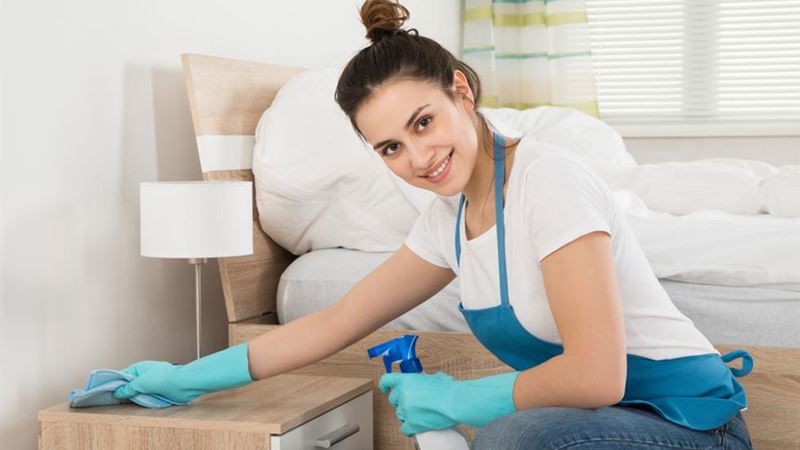
Living with allergies can significantly impact your quality of life, making it essential to maintain a home environment that minimizes allergens. If you're prone to allergic reactions, it’s crucial to adopt a meticulous cleaning routine and use specialized equipment to ensure your house remains free from common allergens. Regular cleaning is more than just a chore—it's a pivotal step toward healthier indoor air and space. Utilizing high-efficiency cleaning tools such as vacuum cleaners with HEPA filters, steam mops, and washing machines can drastically reduce dust, pollen, pet dander, mold, and bacteria present in your home.
One of the key aspects of allergy prevention is proper filtration. Standard vacuum cleaners often fail to trap tiny allergens, which means these particles escape back into the air or settle again onto surfaces. To avoid this, opt for vacuum models equipped with HEPA (High-Efficiency Particulate Air) filters. These filters are designed to trap 99.97% of airborne particles as small as 0.3 microns, ensuring allergens such as pollen, pet dander, dust mites, and mold spores are effectively contained. Incorporating HEPA filters into your cleaning regime makes a noticeable difference, providing a cleaner and healthier indoor environment.
Maintaining a clean house is essential, but the way you clean matters too. During cleaning, especially in vulnerable areas like bathrooms and kitchens, take extra care to prevent mold growth. Mold thrives in damp, poorly ventilated areas and can cause or worsen allergic reactions. Regularly scrub tiles, grout lines, and corners where mold tends to develop. Use appropriate mold-killing disinfectants and ensure proper ventilation to keep moisture levels in check. Proper dishwashing techniques are also vital—use reliable disinfectants to sanitize utensils, dishes, and surfaces thoroughly. When washing clothes, always opt for hot water cycles, as they are more effective in killing germs and reducing allergens attached to fabrics.
Floor cleanliness is a significant factor in allergen control. Wet mopping with microfiber mops or wet cloths traps dust and allergens more effectively than dry sweeping, which stirs up particles into the air. Use disinfectants on floors regularly, especially in high-traffic areas. For optimal results, consider floor materials that are easier to clean, such as tiles, marble, or polished wood, instead of carpets and rugs. Carpets can harbor a multitude of allergens—dust mites, pet dander, and mold spores—comprising a breeding ground for allergic reactions. Eliminating or significantly reducing the use of carpets and opting instead for smooth flooring options makes allergen management much easier and more effective.
In addition to cleaning routines, managing scents and fragrances in your home plays a vital role in allergy control. Many people are sensitive to synthetic room fresheners, air freshening sprays, or fragrant candles, which can trigger allergic responses. Instead, opt for natural air freshening methods such as placing fresh flowers or opening windows to allow fresh air circulation. Plants not only add a touch of nature but also improve indoor air quality naturally. Regularly washing bedding, pillowcases, and curtains, ideally every 3-4 days, helps reduce dust mites, pet dander, and other allergens that accumulate over time. Fluffing pillows and cushions prevents dust build-up and keeps them allergen-free. Don’t forget to vacuum upholstered furniture frequently, especially sofas and chairs, which are common spots for dust, pet hair, and dander to gather.
Allergen control extends beyond cleaning to include lifestyle adjustments. If you own pets, regularly bathe and groom them to reduce dander. Keep pets out of bedrooms and off furniture to minimize allergen distribution. Use air purifiers equipped with HEPA filters in rooms where allergy sufferers spend most of their time. These devices can capture airborne allergens and improve overall air quality. For individuals with severe allergies, consider more drastic measures like replacing wall-to-wall carpets with hard flooring or installing allergen-proof covers on mattresses and pillows. These measures significantly decrease the presence of dust mites and other common indoor allergens, providing relief from symptoms.
Environmental control in your home is crucial for allergy sufferers. To combat mold, maintain low humidity levels—ideally between 30-50%—by using dehumidifiers or air conditioners. Good ventilation helps keep moisture levels in check and prevents mold growth. Keep bathrooms, basements, and other damp areas well-ventilated, and fix any leaks promptly. If necessary, consider professional mold remediation for persistent issues. When it comes to clothing, washing fabrics in hot water and using allergen-reducing laundry additives can help keep allergens at bay. Remember to regularly wash curtains, bedding, and plush toys, as they tend to collect allergens over time.
In summary, creating an allergy-free home environment involves a combination of specialized cleaning tools, proper hygiene practices, environmental modifications, and lifestyle adjustments. Consistency is key—regular cleaning, vigilant mold management, and controlling household scents go a long way in reducing allergen levels. Implementing these strategies can dramatically improve your indoor air quality, reduce allergy symptoms, and enhance your overall well-being. With dedicated effort and the right tools, you can transform your living space into a sanctuary free from allergens, promoting healthier living for you and your loved ones.