
Essential Guide to Purchasing Unused Residential Power Generators
This comprehensive guide explores the reasons behind unsold residential generators, how to evaluate their condition, and tips for purchasing reliable used units at discounted prices. The article emphasizes understanding market trends, negotiating deals, and choosing the right generator type to meet your power backup needs effectively and affordably.
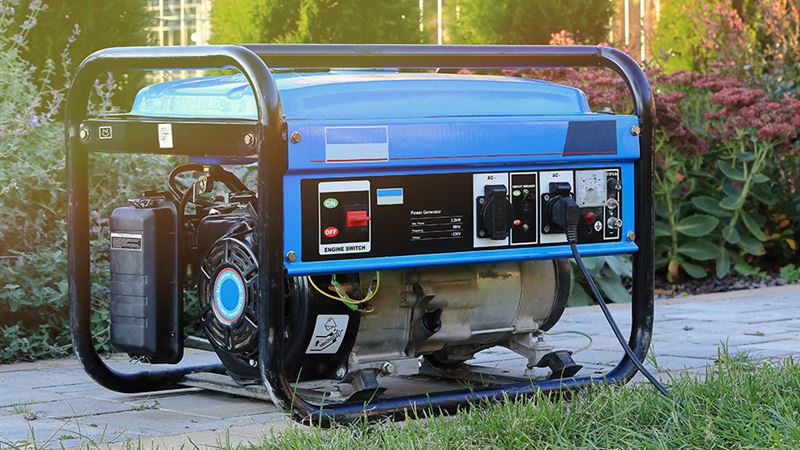
Understanding why certain residential generators remain unsold is crucial for informed purchasing decisions. Whether you're a homeowner or a reseller, knowing the factors behind surplus stock and how to identify valuable deals can save you money and ensure reliable power backup solutions.
**The Evolution of Generator Technologies**
Generator technology is continually advancing, with newer, more efficient models flooding the market regularly. Manufacturers focus on innovation to meet rising energy demands and comply with evolving environmental standards. When the latest models are launched, older versions often become less attractive to consumers, leading to a surplus or stagnation of unsold units. These older generators, though functional, may lack the features or efficiency expected by today's standards. Consequently, they remain in inventory, waiting for the right buyer.
**Market Competition and Consumer Preferences**
In an industry crowded with numerous manufacturers, staying ahead of technological trends is vital for market relevance. Companies that fail to innovate and upgrade their products risk inferior sales performance. Consumers now prefer generators with smart features, compatibility with renewable energy sources, and energy-efficient operations. When a manufacturer falls behind in technology, their models become less appealing, resulting in excess stock. Retailers and distributors, in turn, seek to shift these units through discounts or promotional offers.
**Pricing Dynamics of Unsold Generators**
Price points for unsold generators often reflect their age, condition, and technological relevance. Several factors influence pricing:
**Key Considerations When Purchasing Used or Unsold Generators**
Buying an unused or second-hand generator can be cost-effective if approached correctly. Follow these detailed tips to ensure value and reliability:
**Assess Your Power Needs**
Determine what appliances and systems require backup power. For example, small devices like laptops and LED lights need minimal wattage, whereas refrigerators, HVAC systems, and water pumps require significantly more. Accurately calculating your load helps you choose a generator size that covers your essential needs without overspending. For instance, a typical home might need a 5-10 kW generator for essential backup, depending on its size and energy consumption profile.
**Examine Generator Condition Thoroughly**
Inspect physical and operational conditions before purchase. Look for signs of corrosion, oil leaks, or damaged components. If unsure, hire a qualified technician to evaluate the generator's functionality, power capacity, and remaining lifespan. Confirm that the unit has been maintained properly and that it operates smoothly under load conditions.
**Verify Seller Credibility**
Choose reputable sellers with verified industry experience. Check online reviews and ratings, licensing, and certifications to avoid scams. A trustworthy seller provides transparent information on the generator’s history, warranty options, and after-sales support.
**Select the Appropriate Generator Type**
Different types of home generators serve various needs:
**Negotiating Price for Unsold Inventory**
Since unsold units often come at discounted rates, bargaining can lead to even better deals. Do your research to understand the standard market prices and leverage your knowledge during negotiations. Retailers or sellers eager to clear inventory are often open to price reductions, especially if the generator is lightly used or has minor cosmetic issues.
**Benefits of Opting for Used or Surplus Generators**
Purchasing an unused or surplus generator can be a smart move, especially if you have budget constraints or need a backup solution quickly. While the newest models boast cutting-edge features, older generators still provide dependable power if properly maintained. They are ideal for basic backup needs and can serve as an economical alternative to brand-new units.
**Final Advice for Buyers**
Always prioritize quality and safety over mere price. Ensure the generator matches your power needs, is in good condition, and purchased from a reliable source. With careful inspection and negotiation, you can secure a high-quality, cost-effective power backup system that offers peace of mind during power outages. Investing wisely in an unused generator ensures you gain reliable energy support while saving money.
**The Evolution of Generator Technologies**
Generator technology is continually advancing, with newer, more efficient models flooding the market regularly. Manufacturers focus on innovation to meet rising energy demands and comply with evolving environmental standards. When the latest models are launched, older versions often become less attractive to consumers, leading to a surplus or stagnation of unsold units. These older generators, though functional, may lack the features or efficiency expected by today's standards. Consequently, they remain in inventory, waiting for the right buyer.
**Market Competition and Consumer Preferences**
In an industry crowded with numerous manufacturers, staying ahead of technological trends is vital for market relevance. Companies that fail to innovate and upgrade their products risk inferior sales performance. Consumers now prefer generators with smart features, compatibility with renewable energy sources, and energy-efficient operations. When a manufacturer falls behind in technology, their models become less appealing, resulting in excess stock. Retailers and distributors, in turn, seek to shift these units through discounts or promotional offers.
**Pricing Dynamics of Unsold Generators**
Price points for unsold generators often reflect their age, condition, and technological relevance. Several factors influence pricing:
- **Obsolescence Due to Lack of Modern Features**li>Generators without the latest technology tend to depreciate faster. Homeowners prioritize energy savings, remote monitoring, and eco-friendliness, leading to a preference for newer models.
- **Clearance Strategies by Retailers**li>To make room for newer inventory, retailers offer deep discounts on older or unsold units. This creates excellent opportunities for budget-conscious consumers.
- **Minor Defects and Aesthetic Wear**li>Older generators may have minor cosmetic damages, such as scratches or loose screws. Selling these units at reduced prices could be a better option for sellers than keeping them unsold in storage.
- **Model and Capacity Variations**li>Prices vary significantly based on generator size, power output, and model type. Larger, high-capacity generators priced higher tend to sell more quickly, while smaller or older models are priced competitively to attract buyers.
- **Age of the Generator**li>Older models generally lack advanced features and may be less efficient. Their prices are reduced to encourage sales.
**Key Considerations When Purchasing Used or Unsold Generators**
Buying an unused or second-hand generator can be cost-effective if approached correctly. Follow these detailed tips to ensure value and reliability:
**Assess Your Power Needs**
Determine what appliances and systems require backup power. For example, small devices like laptops and LED lights need minimal wattage, whereas refrigerators, HVAC systems, and water pumps require significantly more. Accurately calculating your load helps you choose a generator size that covers your essential needs without overspending. For instance, a typical home might need a 5-10 kW generator for essential backup, depending on its size and energy consumption profile.
**Examine Generator Condition Thoroughly**
Inspect physical and operational conditions before purchase. Look for signs of corrosion, oil leaks, or damaged components. If unsure, hire a qualified technician to evaluate the generator's functionality, power capacity, and remaining lifespan. Confirm that the unit has been maintained properly and that it operates smoothly under load conditions.
**Verify Seller Credibility**
Choose reputable sellers with verified industry experience. Check online reviews and ratings, licensing, and certifications to avoid scams. A trustworthy seller provides transparent information on the generator’s history, warranty options, and after-sales support.
**Select the Appropriate Generator Type**
Different types of home generators serve various needs:
- Whole house standby generators: Provide automatic backup power for the entire residence during outages.
- Portable generators: Compact, mobile units suitable for temporary or outdoor use.
- Inverter generators: Offer cleaner power with quieter operation, ideal for sensitive electronics.
- Solar-powered generators: Eco-friendly options using solar panels for energy independence.
- Diesel generators: Suitable for heavy-duty applications with higher fuel efficiency.
**Negotiating Price for Unsold Inventory**
Since unsold units often come at discounted rates, bargaining can lead to even better deals. Do your research to understand the standard market prices and leverage your knowledge during negotiations. Retailers or sellers eager to clear inventory are often open to price reductions, especially if the generator is lightly used or has minor cosmetic issues.
**Benefits of Opting for Used or Surplus Generators**
Purchasing an unused or surplus generator can be a smart move, especially if you have budget constraints or need a backup solution quickly. While the newest models boast cutting-edge features, older generators still provide dependable power if properly maintained. They are ideal for basic backup needs and can serve as an economical alternative to brand-new units.
**Final Advice for Buyers**
Always prioritize quality and safety over mere price. Ensure the generator matches your power needs, is in good condition, and purchased from a reliable source. With careful inspection and negotiation, you can secure a high-quality, cost-effective power backup system that offers peace of mind during power outages. Investing wisely in an unused generator ensures you gain reliable energy support while saving money.