
Essential Guidelines for Buying Surplus Generators: What You Need to Know
Discover comprehensive guidelines to safely and effectively purchase surplus generators. Learn about key factors like brand reputation, power needs, safety features, and logistics. This detailed guide helps buyers make informed decisions, ensuring reliable backup power at competitive prices. Ideal for residential, commercial, and industrial use, the article emphasizes safety, cost-efficiency, and choosing trusted suppliers to maximize value and performance.
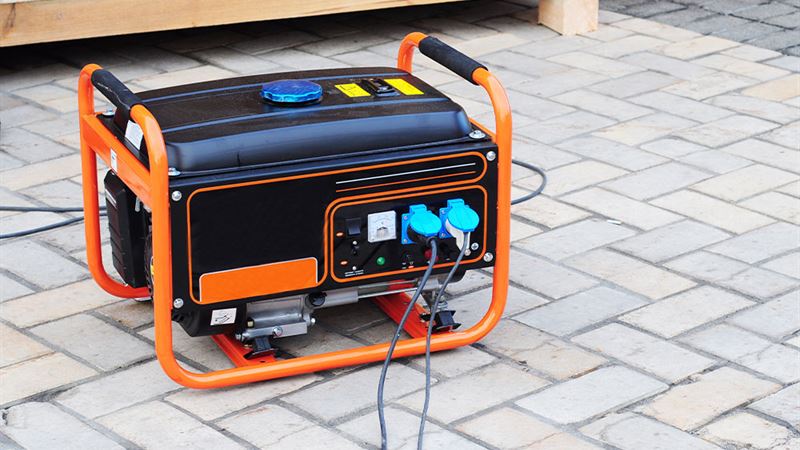
Surplus generators are typically stored after overproduction, discontinued stock, or inventory clearance. These devices can provide significant savings compared to new units, but buyers must exercise vigilance to avoid potential pitfalls. A comprehensive approach involves evaluating brand credibility, technical specifications, safety features, and logistical considerations, among other factors.
Understanding what impacts the price of surplus generators is crucial. Several elements—such as brand reputation, operational capacity, fuel type, and additional features—play a role in determining the overall cost. Let’s explore these aspects in detail to help you make an educated choice.
- Installation and Setup Costs
Post-purchase, the expenses for installing and connecting your surplus generator should be factored in. Engaging qualified electricians or technicians ensures the device is correctly integrated into your existing electrical system and complies with safety regulations. Proper installation enhances lifespan and operational safety, which is why including these costs in your budget is advisable.
- Noise Control and Soundproofing
For residential areas or noise-sensitive environments, minimizing operational noise is essential. Soundproofing measures can significantly impact your overall expenses and setup process. When selecting a generator, evaluate whether additional soundproofing enclosures or barriers are necessary to meet local noise ordinances or personal comfort preferences. - Power Capacity and Usage
The generator’s output capacity determines its suitability for your needs. A small portable model may suffice for basic lighting or minimal appliances, whereas larger units can support whole-house backups or industrial equipment. Matching the generator’s wattage and runtime with your actual power requirements prevents under- or over-investment. - Factors Influencing Purchase Decisions
When choosing a surplus generator, consider key aspects such as cost, brand history, safety features, operational efficiency, and portability. Carefully assessing these factors will ensure your investment provides dependable performance during power outages or in remote locations.
Guidelines for Selecting the Right Surplus Generator
To optimize your buying process, keep these critical points in mind:
- Budget and Cost Comparison
Comparing prices across multiple models helps you identify the best deals. Remember to evaluate warranty coverage, manufacturer after-sales support, and the overall value offered by each unit. - Reputation of the Brand
Established brands with a track record of durability and customer satisfaction are preferable. Access online reviews and testimonials to gauge product quality and after-sales service. - Safety Protocols and Features
Effective safety mechanisms, including overload protection, automatic shutdown, and low oil shutdown, are vital for secure operation. These features help prevent costly damages and potential hazards. - Operational Runtime
The duration your generator can run continuously without refueling should align with your backup requirements. Longer runtimes are critical for extended outages, especially in remote or industrial settings. - Mobility and Size
If portability is a priority, select a model with wheels, handles, or compact design. Easier transportation saves time and effort during setup and relocation.
Beyond these technical factors, it’s important to assess your specific power needs and select a suitable fuel type—be it diesel, petrol, or natural gas. This decision impacts operational costs, maintenance, and compatibility with existing infrastructure.
Furthermore, establishing reliable procurement channels is essential. Trusted dealers can provide comprehensive details about the generator’s condition, usage history, and warranty coverage. Inquire about logistics options, including transportation and installation services, to streamline the acquisition process.
Buying surplus generators for residential, commercial, or industrial use involves numerous considerations. Conduct thorough research, compare deals from certified vendors, and prioritize quality and safety to maximize value. Many suppliers offer surplus and new stock, often advertised as "discounted surplus generators" on their websites or local listings. Visiting their showrooms or contacting customer service directly can offer deeper insights and peace of mind.
In conclusion, a strategic approach to purchasing surplus generators enables you to secure reliable power solutions at a fraction of the cost of new units. By understanding the influencing factors, evaluating your specific needs, and choosing reputable vendors, you can make a well-informed decision that ensures safety, efficiency, and long-term satisfaction.