
Essential Guidelines for Purchasing Repossessed Mobile Homes
Explore essential tips for buying repossessed mobile homes, including inspection requirements, legal considerations, and financing options. Learn how to identify well-maintained units and avoid common pitfalls to secure affordable and reliable mobile homes. This comprehensive guide helps buyers make informed decisions for a smart investment in repossessed mobile property, highlighting key steps to ensure a successful purchase and long-term satisfaction.
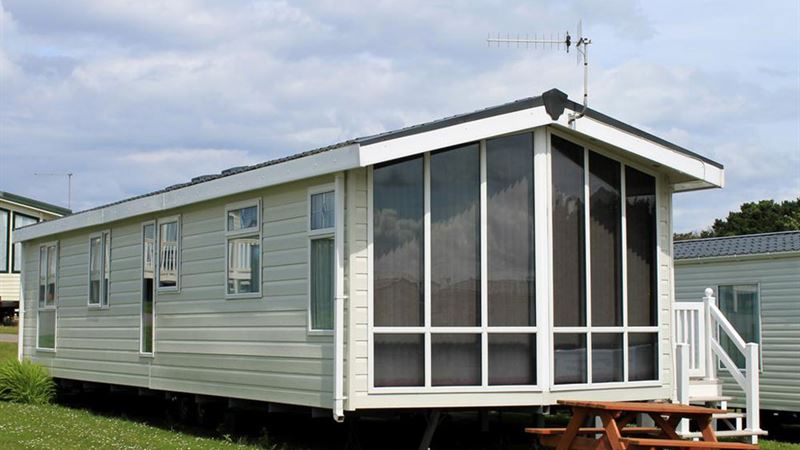
Mobile homes present a flexible and cost-effective alternative for those looking to own residential property. They are often more affordable compared to traditional homes, making them an attractive option for first-time buyers or investors seeking budget-friendly real estate. However, when exploring repossessed mobile homes, prospective buyers need to be aware of the unique considerations involved, including inspection processes, financing avenues, and legal requirements. Acquiring a repossessed mobile home can be a lucrative investment if approached with careful planning and due diligence, ensuring you secure a property that fits your needs and budget.
Purchasing repossessed mobile homes offers several advantages, notably significantly reduced prices compared to market value. Repossessed properties are typically sold at auction or through short sale processes, allowing savvy buyers to access homes at discounts often exceeding 50%. Moreover, many financial institutions and banks are willing to provide flexible financing options for these deals, particularly if the property has been maintained well and passes necessary inspections. Before leveraging these opportunities, however, it is crucial to understand what to look for and how to navigate potential pitfalls associated with repossessed mobile homes.
Below, we delve into the critical aspects to consider before purchasing a repossessed mobile home, helping you make informed decisions and avoid common mistakes.
Inspection and Condition Assessment:
One of the most important steps before buying a repossessed mobile home is conducting a thorough inspection. These homes may have suffered from neglect or lack of maintenance during foreclosure proceedings, so it’s essential to have a professional inspection done. Expert inspectors evaluate structural safety, foundation integrity, electrical wiring, plumbing systems, roofing conditions, and overall structural health. Repossessed mobile homes often have issues stemming from unpaid upkeep, which can lead to costly repairs if not identified early. A detailed report helps determine whether the property is worth investing in or if repairs will outweigh the benefits.
Additionally, it's vital to verify that the mobile home complies with local building codes and land use regulations. Many repossessed units must meet safety standards set by municipal authorities before occupancy is permitted. In some cases, homes that haven't been properly maintained might require extensive renovations, which could add to the overall investment cost. On the other hand, some repossessed mobile homes are well maintained and ready for move-in, offering excellent value and minimal additional costs.
Legal and Title Considerations:
When acquiring a repossessed mobile home, confirming the property's legal status and clear title is crucial. Titles for mobile homes can sometimes be complex, especially if they are tied to land leases or are part of a manufactured housing community. It’s advisable to work with a real estate attorney or a title company to ensure the title is free of liens or encumbrances. Ensure the mobile home’s ownership records are accurate and up-to-date, and that there are no outstanding debts or legal disputes involved.
Furthermore, if the mobile home is situated on leased land, review the lease agreement's terms carefully. Lease terms may impact your long-term ownership rights, monthly payments, and the possibility of future sale or transfer. Understanding these details helps avoid surprises down the line and safeguards your investment.
Financial Considerations and Loan Options:
Financing a repossessed mobile home can be challenging, even for buyers with strong credit histories. Unlike traditional home purchases, obtaining a mortgage for mobile or manufactured homes might involve specific lenders who specialize in this type of property. Many banks and lending institutions are cautious due to the unique nature of mobile home ownership, especially when the property is repossessed. As a result, potential buyers should explore financing options early in the process.
Some lenders offer loans directly for repossessed mobile homes at competitive rates, but qualification requirements can be stricter. It's advisable to consult with loan officers, financial advisors, or mortgage brokers experienced with mobile home financing to understand available options. Additionally, the purchase price of repossessed units is often significantly below market value, which might open opportunities for cash buyers or those seeking to finance with smaller down payments.
Many banks and financial institutions list repossessed mobile homes available for auction or sale on their websites. These listings often include details on the property's condition, location, and asking price. Participating in auctions or direct negotiations can yield deals with discounts of 50% or more, presenting an excellent opportunity for investors or homeowners seeking affordable housing options.
In summary, purchasing a repossessed mobile home can be highly beneficial if approached with thorough research and careful planning. Conduct comprehensive inspections, verify legal titles, understand financing conditions, and explore auction opportunities to maximize your investment. With proper due diligence, you can acquire a quality mobile home at a fraction of the original market price and enjoy a cost-effective housing solution or lucrative investment.