Explore the comprehensive guide to mobile homes, covering their benefits, top locations, leading brands, and customization options. Learn how mobile homes offer affordable, flexible, and eco-friendly living solutions suitable for various lifestyles and investment opportunities. Find out why mobile homes are a smart choice for both homeowners and investors seeking quality, affordability, and convenience in modern housing.
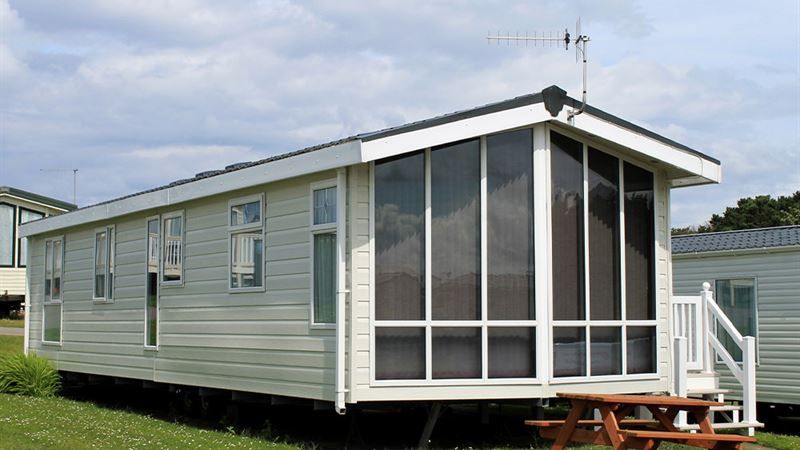
Mobile homes have become an increasingly popular choice for many individuals seeking affordable, flexible, and modern living options. These homes provide all essential amenities, and the best models often incorporate specialized facilities that enhance comfort and convenience. Over the years, the market has expanded to include luxurious yet cost-effective mobile homes that rival traditional houses in both comfort and style, making them an attractive solution for a diverse range of buyers.
Top Five Cities for Mobile Home Living
- Village Park, Florida
- Lincoln Park, Texas
- Landfall, Minnesota
- Longneck, Delaware
- Ocean Breeze Park, Florida
Benefits and Advantages of Owning a Mobile Home
- Affordability is the most significant advantage of owning a mobile home. Compared to traditional real estate, mobile homes are often more budget-friendly, allowing owners to enjoy property ownership benefits without the added burden of high costs. Moreover, mobile homeowners are typically exempt from property taxes associated with land ownership, which significantly reduces ongoing expenses. Maintenance requirements are also lower, as mobile homes do not require land upkeep or extensive utility infrastructure.
Another compelling benefit of mobile homes is their cost-effectiveness as investment assets. Generally, mobile homes are priced lower than comparable traditional houses, which means buyers can acquire quality properties at much more affordable rates. This creates an excellent opportunity for first-time homeowners or investors looking to maximize their capital. When selecting areas where property values are rising steadily due to economic growth and increased desirability, investing in mobile homes can be particularly lucrative. Insurance costs and property taxes for mobile homes tend to be significantly less than for site-built homes, reducing the overall financial burden.
Maintenance is another area where mobile homes excel. Repairing or replacing roofs on mobile homes usually involves lower expenses compared to traditional houses built with shingles or other materials. Similarly, upgrading systems like heating can be more economical since mobile homes typically have a smaller footprint, requiring less energy to heat or cool. For example, buying a new furnace for a mobile home can cost less, thanks to the limited space that needs climate control, which translates into lower energy bills and fewer maintenance concerns.
Customization options also make mobile homes an appealing choice. Buyers can personalize interior layouts, finishes, and fixtures to match their preferences, creating a space that feels uniquely theirs—comparable to on-site construction homes. Mobile homes are also considered green building options because their manufacturing process is faster and more environmentally friendly than traditional construction. This speedy build process minimizes waste and reduces environmental impact.
Designing for accessibility and future-ready features is another advantage of mobile homes. Whether for aging in place, adding modern appliances, or integrating smart home technology, mobile homes can be tailored to meet evolving needs. Additionally, mobile homes are versatile in usage; they can serve not only as primary residences but also as commercial spaces like offices or retail outlets, providing flexible business solutions.
Many prospective buyers find that owning a mobile home is an excellent short-term or long-term investment. If the land is owned, mobile or modular homes can be relocated easily, often onto a basement, making them a practical option for expanding or downsizing. Some owners purchase mobile homes for recreational purposes and later transition them into primary residences—especially attractive for retirees or vacationers. Furthermore, some mobile home owners modify their units with site-built additions, leading to hybrid homes that combine mobility with permanence. These modifications are common in popular vacation destinations, where customization and flexibility are valued highly.
Major Brands Leading the Mobile Home Market
Clayton Homes
As the largest manufacturer of manufactured homes in the U.S., Clayton Homes commands around 41% of the market share. They produce a diverse array of mobile homes under various brand names, ensuring options for different budgets and preferences. Some of their popular brands include:
- Schult Homes
- Crest Homes
- Karsten Homes
- Marlette Homes
- Golden West Homes
- Cavalier Homes
- Buccaneer Homes
Champion Home Builders
Recognized internationally, Champion Home Builders has established itself as a pioneer in the mobile home industry. They develop high-quality homes under these brands:
- New Era
- Redman
- Dutch
- Silvercrest
Cavco Industries
Cavco Industries manufactures homes through four notable brands:
- Cavco Homes
- Fleetwood Homes
- Palm Harbor Homes
- Nationwide Homes
Fuqua
Specializing in modular and system-built structures, Fuqua designs homes suited for residential, multi-family, and commercial purposes. Their architectural approaches are tailored to meet specific building needs, emphasizing efficiency and customization.
Palm Harbor
Known for tailored home designs, Palm Harbor offers flexible floor plans that can be customized with various finishes, fixtures, and modifications. Their attention to detail and personalized service make them stand out in the mobile home market.
Fleetwood
With a reputation for quality craftsmanship, Fleetwood combines affordability with stellar design and durability. They are well-regarded for building homes that are both cost-effective and stylish, with comprehensive warranty coverage and excellent customer service.
