
Essential Factors to Evaluate When Selecting a Humidifier for Your Home
Learn comprehensive insights on choosing the right humidifier for your home. This guide covers mist types, safety features, tank capacity, usability, noise levels, and room compatibility, ensuring you select the best device to maintain optimal indoor humidity and improve air quality effectively. Make informed decisions for a healthier living space with our detailed tips and considerations.
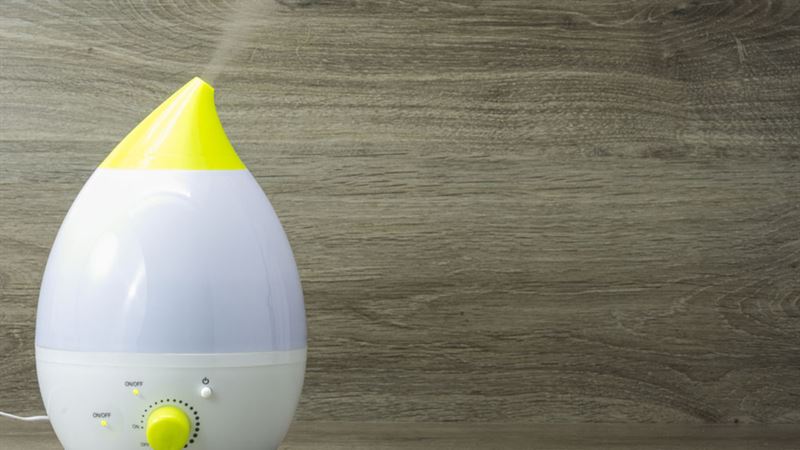
- Choosing Between Warm and Cool Mist Humidifiers
One of the most critical decisions when purchasing a humidifier is selecting between warm mist and cool mist options. Your choice should be influenced by your local climate and personal preferences. For residents living in colder regions, warm mist humidifiers can provide comfort by adding warmth along with moisture, which can help soothe respiratory issues during winter months. Conversely, households in warmer or humid climates might prefer cool mist devices, which can help lower room temperature and increase humidity without adding heat. Additionally, some users find that warm mist humidifiers tend to be more effective at killing bacteria and mold due to the heating process, making them a preferable choice for households with allergy sensitivities or respiratory concerns. Meanwhile, cool mist units are often recommended for children’s rooms or spaces where safety is a priority, as there is no risk of burns or hot water spills. When deciding, consider your specific environment, health needs, and safety considerations to choose the right type of humidifier for your home. - Safety Features: Automatic Shutdown and More
Safety features are paramount when selecting a humidifier. Many modern units come equipped with an automatic shutoff mechanism that activates once the water tank is depleted. This feature not only prevents the device from running dry and burning out but also minimizes fire hazards, offering peace of mind to users. It is advisable to opt for a model with reliable safety features, especially if the device will operate unattended or in households with children or pets. Some advanced humidifiers also include alerts or indicator lights to notify you when refilling is necessary, further ensuring safe operation. Reviewing the safety features before purchase guarantees that your humidifier can operate efficiently without posing risks to household members. Remember, safety should always come first when choosing home appliances designed for continuous operation. - Tank Capacity and Runtime
The water tank capacity significantly influences how often you will need to refill your humidifier. Units with larger tanks—up to several gallons—can run continuously for extended periods, such as 24 hours or more, making them ideal for overnight use or maintaining consistent humidity throughout the day. Small tanks, while more portable and space-efficient, typically require frequent refills, which can be inconvenient for continuous use or larger rooms. When selecting a humidifier, consider your routine and the room size. If you want minimal maintenance, opting for a machine with a generous tank capacity is recommended. Keep in mind that larger units might be bulkier and less portable, but they offset that with longer operation times. Analyzing your needs and environment will help you choose a model that provides optimal performance with manageable refilling frequency. - User-Friendliness and Maintenance
Ease of operation and cleaning are essential factors for ensuring your humidifier performs well over time. Devices that are intuitive to use and simple to maintain not only encourage regular upkeep but also reduce the risk of bacterial or mold buildup, which can negatively impact indoor air quality. Look for models that have straightforward controls, clear indicator lights, and accessible water tanks. Additionally, consider how easy it is to clean the device — some units feature detachable parts and antibacterial coatings that facilitate hygienic maintenance. Regular cleaning is crucial to prevent mineral deposits and microbial growth. Opting for a user-friendly humidifier that makes maintenance convenient can prolong its lifespan and ensure effective, safe operation. A well-maintained unit will consistently deliver the desired humidity levels without contributing to indoor air contamination. - Noise Levels and Comfort
The noise generated by a humidifier can significantly affect comfort, especially if used in bedrooms, nurseries, or workspaces. Some models operate whisper-quiet, emitting minimal sound—often comparable to a soft fan—making them suitable for sensitive environments. Other units, especially older or more powerful models, may produce noticeable noise that could disrupt sleep or concentration. When choosing a humidifier, check the decibel ratings or user reviews regarding noise levels. If quiet operation is a priority, look for products labeled as 'silent' or 'low noise.' A quiet humidifier enhances overall comfort, allowing you to enjoy the benefits of increased humidity without disturbance. This consideration is crucial for ensuring your environment remains peaceful and conducive to rest or productivity. - Size and Room Compatibility
Selecting the appropriately sized humidifier is vital to achieving optimal humidity levels without over-humidifying. For small rooms such as bedrooms or offices, portable or tabletop humidifiers are practical and space-efficient. Medium-sized rooms, like living rooms or children’s bedrooms, can be comfortably served by tower or box models that balance capacity and portability. Large spaces, open-plan areas, or commercial settings may require industrial-scale humidifiers with higher capacity and coverage. When choosing a device, consider the size of the intended space, ceiling height, and existing humidity levels. An undersized unit may struggle to adequately humidify the space, while an oversized one could lead to excess moisture, fostering mold and other issues. Accurate assessment of your room dimensions and humidity needs ensures efficient and comfortable indoor air quality improvement.
In summary, the decision to purchase a humidifier should be guided by a thorough understanding of your specific needs, safety considerations, and the environmental conditions of your home. From choosing the right mist type to considering safety features, capacity, ease of maintenance, noise, and appropriate sizing, these factors collectively determine the effectiveness and longevity of your appliance. Making an informed choice will help you create a healthier, more comfortable living environment, especially during dry seasons or in regions with fluctuating climatic conditions.