
Comprehensive Solar Power Systems: The Complete Guide to Sustainable Energy Solutions
This comprehensive guide explores the essential components of complete solar power systems, functioning principles, advantages, and key considerations for installation. Learn how to harness renewable energy efficiently, reduce costs, and promote sustainability through solar technology. Perfect for homeowners and businesses aiming for energy independence and a greener future, this detailed overview facilitates informed decisions on adopting solar power to benefit both the environment and your wallet.
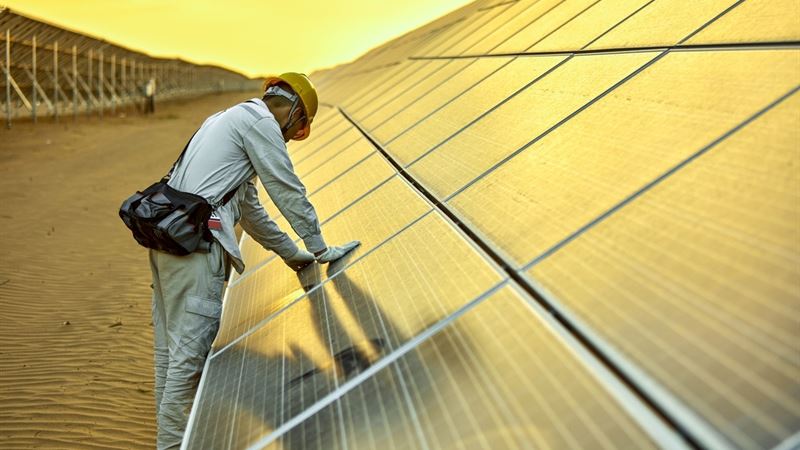
Harnessing solar energy has become one of the most effective and eco-friendly ways to power homes and businesses. A complete solar power system, often called an entire solar kit, encompasses all necessary components to generate, store, and distribute electricity from sunlight. Understanding the essentials and benefits of such systems is vital for anyone interested in transitioning to renewable energy sources. This extensive guide delves into the key parts of a solar kit, how these systems operate, their advantages, and crucial considerations before making a purchase.
Core Components of a Complete Solar Power System
- Solar Panels: These are the heart of the system, responsible for capturing sunlight and converting it into usable electrical energy. Made of photovoltaic cells, solar panels are designed to absorb solar radiation efficiently, even in varying weather conditions. The quality, size, and efficiency of the panels directly influence the system's overall performance and energy output.
- Inverter: The inverter’s role is to convert the direct current (DC) produced by solar panels into alternating current (AC), the form of electricity used by most household appliances. Different types of inverters, like string inverters or microinverters, cater to various system sizes and installation needs, impacting efficiency and scalability.
- Charge Controller: This component regulates the voltage and current flowing into the batteries, preventing overcharging and extending battery lifespan. It ensures optimal battery health and performance, especially in systems with energy storage solutions.
- Battery Storage: Excess energy generated during sunny periods is stored in batteries for later use. This allows households and businesses to have a reliable power supply during nighttime or cloudy days, significantly increasing energy independence and reducing reliance on the grid.
- Mounting Hardware: The structure used to securely attach solar panels to rooftops or ground installations. Mounting hardware ensures the panels are positioned at the optimal angle for maximum sunlight absorption, considering factors like latitude and shading.
- Cabling and Connectors: These materials link various components of the solar system, ensuring efficient and safe transfer of electrical power. Proper cabling and connectors are critical for system durability and safety compliance.
Operational Mechanics of a Solar Power System
Understanding how a complete solar power kit functions provides insight into its effectiveness and advantages.
1. Sunlight Collection by Solar Panels: Photovoltaic cells within solar panels absorb sunlight and convert it into DC electricity. Their efficiency depends on factors like material quality, surface cleanliness, and positioning.
2. Conversion from DC to AC via Inverter: The generated DC electricity may be used immediately if needed. Otherwise, it is stored in batteries after passing through the inverter, which converts it into AC power suitable for household use.
3. Battery Management and Charging: The charge controller oversees the flow of electricity into batteries, ensuring they are charged safely without overloading or damaging them, thereby prolonging battery life.
4. Energy Storage: The batteries hold excess energy for later use, making the system viable even during periods of low sunlight or at night.
5. Distribution to Electrical Grid or Load: The converted energy is supplied to your home's electrical panel, powering appliances or feeding excess electricity back into the grid if the system is grid-tied.
Advantages of Opting for a Complete Solar Power System
- Environmentally Friendly: Solar energy reduces carbon emissions and dependence on fossil fuels, supporting global climate mitigation efforts.
- Cost Savings: Although initial setup costs can be significant, long-term benefits include lowered electricity bills and potential tax rebates or incentives.
- Energy Autonomy: Reduced reliance on external power sources enhances energy security, especially in regions with unreliable grid infrastructure.
- Scalability and Flexibility: Modular designs allow users to start small and expand their system over time, adding more panels or batteries as needed.
- Low Maintenance Requirements: Solar systems require minimal upkeep—mainly periodic cleaning and routine checks on system components—to maintain peak performance.
Important Factors to Consider Before Investing in a Solar Power Kit
- Assessing Your Energy Consumption: Review your electricity bills to determine typical usage patterns and identify peak consumption times, helping size the system correctly.
- Roof Space and Optimal Positioning: Ensure your roof has sufficient space and favorable orientation to maximize solar exposure. Consider potential shading from trees or structures that could diminish performance.
- Climate Considerations: The amount of sunlight your location receives influences system efficiency. Regions with high solar insolation offer better energy generation potential.
- Budget and Financial Planning: Costs vary based on system size and component quality. Explore financing options or incentives, and evaluate long-term savings against initial investment.
- Warranty and Customer Support: Opt for systems with comprehensive warranties and reliable support to safeguard your investment and ensure prompt assistance if issues arise.
- Installation Preferences: Decide between DIY installation or professional setup based on your technical skills, system complexity, and safety considerations.
Long-Term Benefits and Additional Considerations
Investing in a complete solar power system is a proactive step toward achieving sustainability, reducing energy costs, and gaining energy independence. Proper planning and understanding of your specific needs can maximize the benefits of your solar investment. Additionally, advancements in solar technology continue to enhance system efficiencies and reduce costs, making solar energy more accessible than ever.
Embracing solar energy not only benefits your household or business but also contributes positively to global environmental health. By harnessing the sun’s abundant and renewable energy, we can reduce greenhouse gases, combat climate change, and promote a cleaner, greener future. Considering the increasing affordability and simplicity of installing solar solutions, now is an ideal time to switch to renewable energy sources. Solar power provides a sustainable, economical, and eco-conscious way to meet your energy needs while helping preserve our planet for future generations.