
Mexico's Solar Energy Revolution: Unlocking a Sustainable Future with Solar Power
Mexico’s solar industry is flourishing, driven by policy reforms, technological progress, and abundant sunshine. Large-scale projects and international investments are shaping the country into a renewable energy hub. This comprehensive growth offers environmental, economic, and social benefits, including job creation and rural electrification. Despite hurdles like infrastructure and regulatory challenges, Mexico’s commitment to sustainability positions it as a leader in green energy in Latin America. Future innovations and collaborations will further accelerate this trend, making solar power vital to Mexico’s clean energy ambitions and climate goals.
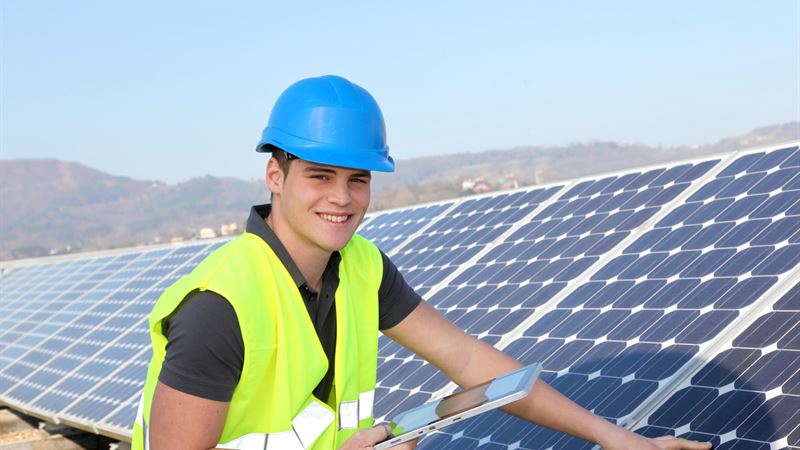
Over the past decade, Mexico has experienced a remarkable transformation in its energy landscape, primarily driven by the rapid expansion of solar power. The introduction of the Energy Reform Law in 2013 marked a pivotal turning point, removing many state-controlled barriers and encouraging private sector investment in renewable energy projects. This policy shift opened the floodgates for solar energy development and created a dynamic market thriving with new opportunities. Today, Mexico is recognized as one of Latin America's leaders in solar energy, with a burgeoning industry that is reshaping the nation's approach to sustainable development.
At the heart of this transformation is Mexico's abundant sunshine. The country enjoys high solar irradiance levels, making it an ideal location for solar projects. The government's proactive policies, coupled with technological advancements and increasing environmental awareness among citizens, have fueled this industry’s exponential growth. According to the International Renewable Energy Agency (IRENA), Mexico's installed solar capacity surpassed 5,000 megawatts (MW) by 2022—a substantial leap from just a few hundred MW a decade earlier. This rapid increase exemplifies the country’s commitment to embracing renewable energy and reducing its carbon footprint.
Major corporations, both local and international, have established a significant presence in Mexico's solar sector. Companies like Enel Green Power, Iberdrola, and Grupo Dragón are leading the way, implementing large-scale projects that demonstrate Mexico's potential as a renewable energy hub. Projects such as the Villanueva Solar Plant, with a capacity of 828 MW—one of the largest in Latin America—and the Don José Solar Park, which boasts 238 MW, are testaments to the industry’s scale and ambition. These initiatives not only provide substantial clean energy but also contribute to local economies by generating jobs during construction, operation, and maintenance phases.
Environmental benefits are among the most compelling reasons to pursue solar energy in Mexico. Solar power is a clean, renewable resource that drastically cuts greenhouse gas emissions compared to traditional fossil fuels. As Mexico endeavors to meet its commitments under the Paris Agreement, harnessing solar power becomes a vital component of its climate strategy. By reducing reliance on fossil fuels, Mexico is making significant progress toward its Nationally Determined Contributions (NDCs), aiming to curb its carbon emissions and improve air quality in urban areas.
Beyond environmental benefits, the solar industry also brings substantial economic advantages. The sector has generated thousands of jobs across various domains—including installation, maintenance, manufacturing, and research. Moreover, attracting investments in solar infrastructure stimulates economic growth, fosters innovation, and reduces the nation's dependency on imported energy sources. Sunlight, a free resource, becomes an economic asset, helping to lower energy prices and support energy security for the country.
Energy independence is critical for Mexico’s long-term stability. By expanding its solar capacity, Mexico reduces its vulnerability to fluctuations in imported fuel prices and global oil market volatility. Developing domestically sourced clean energy supplies enhances resilience, ensures a more reliable power grid, and promotes sustainable growth. Solar power, especially when integrated with energy storage systems, grants the country a more versatile and stable energy infrastructure.
Rural electrification is another crucial aspect of Mexico's solar expansion. Many remote and underserved regions lack reliable grid access, hindering local development and social progress. Off-grid solar solutions provide a practical and sustainable means to electrify these communities, offering consistent power for homes, schools, and small businesses. This fosters improved living standards, educational opportunities, and economic activities, demonstrating the transformative power of decentralized solar energy systems.
Despite its rapid progress, the solar industry in Mexico faces several challenges. Regulatory hurdles often create uncertainties; changes in government policies or delays in project approvals can slow down growth and discourage investment. Streamlining regulatory processes and establishing clear, stable policies are essential to sustain momentum...
Infrastructure development remains a significant challenge. Integrating large-scale solar farms into Mexico’s existing power grid requires substantial upgrades in transmission lines and grid management. Ensuring grid stability and balancing supply with demand are critical for maintaining efficient energy delivery. Moreover, the capital-intensive nature of solar projects necessitates innovative financing mechanisms and long-term investment strategies to attract a broader base of investors.
Public awareness and education are vital to overcoming misconceptions about solar energy. While environmental consciousness is increasing, many communities and stakeholders are still unfamiliar with the true benefits and feasibility of solar technology. Educating the public about solar’s advantages and dispelling myths will foster greater acceptance and promote wider adoption.
The future of Mexico’s solar industry is promising, driven by technological breakthroughs and collaborative initiatives. Continued advancements in photovoltaic panel efficiency, battery storage solutions, and smart grid technologies will further reduce costs and enhance performance. Emerging innovations such as bifacial panels, perovskite solar cells, and integrated energy storage systems hold immense potential for future development.
Government incentives—like tax rebates, subsidies, and favorable feed-in tariffs—will remain instrumental in encouraging both large-scale and small-scale solar projects. International cooperation through agreements and partnerships can facilitate technology transfer, knowledge sharing, and capacity building, accelerating Mexico's renewable transition. The residential and commercial sectors, with targeted incentives and attractive financing options, possess significant untapped potential for decentralized solar adoption, such as rooftop installations and commercial PV systems.
Mexico’s commitment to climate goals and sustainability will continue to drive investments into renewable energy. As global momentum for green energy increases, Mexico is well-positioned to attract international support, collaboration, and funding. This environmentally conscious path aligns with Mexico’s broader development objectives—amplifying economic growth while protecting ecological integrity.
In conclusion, the expansion of Mexico’s solar energy industry signifies a strategic move toward a sustainable and resilient energy future. The industry’s growth, supported by favorable geography, progressive policy frameworks, and increasing public awareness, offers numerous benefits—from environmental conservation to economic prosperity. Although challenges like regulatory complexity and infrastructure needs persist, ongoing technological innovations and policy reforms are expected to bolster this sector further. Mexico’s proactive stance positions it as a regional leader in renewable energy, exemplifying how harnessing solar power can lead to a cleaner, healthier, and more sustainable future for the nation and the planet.
This transformation not only aligns Mexico with global renewable trends but also demonstrates its commitment to combating climate change through innovative and sustainable solutions. With continuous investments and advancements, Mexico’s solar industry can serve as a beacon of progress—lighting the path toward a brighter, greener future.