
Comprehensive Guide to Hair Transplant Expenses and What You Should Know
This extensive guide provides detailed insights into hair transplant costs, factoring in procedure types, surgeon expertise, city location, and additional expenses. Learn how to plan your budget effectively for this transformative cosmetic procedure, with specific cost ranges for major cities and tips for choosing the right clinic. Empower yourself with knowledge about the factors influencing prices, and make informed decisions to achieve optimal results while managing your financial expectations.
Understanding the real costs behind hair transplants can help you plan effectively for this life-changing procedure. From the choice of method to the experience of the surgeon, numerous factors influence the final price. Whether you're considering restoring hair in a small patch or addressing widespread baldness, knowing what influences costs will help you make informed decisions. In this detailed guide, we explore all aspects of hair transplant expenses, including different procedures, geographical variations, surgeon expertise, and additional costs involved.
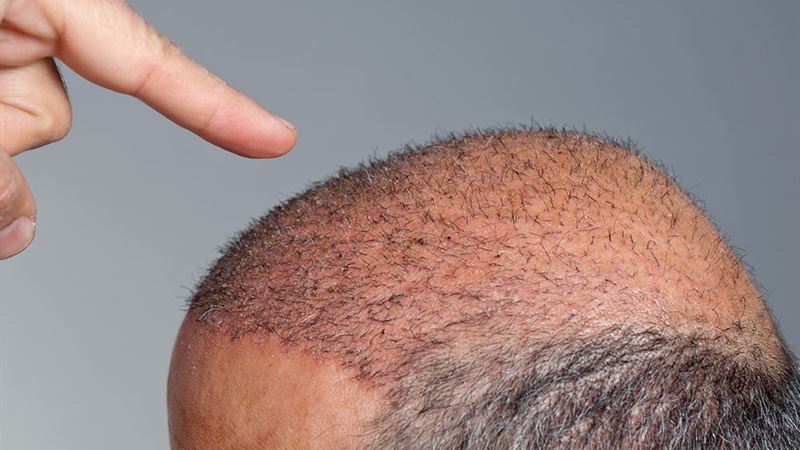
Factors Influencing Hair Transplant Costs
- Type of Hair Transplant Procedure: The two primary methods—Follicular Unit Transplantation (FUT) and Follicular Unit Extraction (FUE)—vary in cost due to differences in technique and recovery time. FUT involves removing a strip of scalp and dissecting it into individual grafts, while FUE harvests follicular units directly from the scalp using a specialized punch. Typically, FUT may be slightly more affordable but leaves a linear scar, whereas FUE is more labor-intensive, often costing more per graft but offering minimal scarring.
- Skill and Experience of the Surgeon: Highly reputed surgeons with extensive experience usually charge higher fees, reflecting their expertise and success rates. However, a premium price does not always guarantee superior outcomes, so thorough research into the surgeon’s credentials, before-and-after photos, patient reviews, and certifications is essential before making a decision.
- Location of the Clinic: The geographical location significantly impacts costs. Metropolitan areas with a higher cost of living tend to have more expensive procedures. Conversely, clinics in regions with more competition may offer better rates. For example, clinics in major cities like New York or Los Angeles often charge more than those in smaller towns or less urbanized regions.
- Travel and Accommodation Expenses: If the desired surgeon practices in a different city or country, travel and accommodation costs should be factored into your total budget. These expenses can sometimes add a significant amount to the overall cost, especially if multiple visits are necessary.
Breakdown of Hair Transplant Costs in Major Metropolitan Areas
Understanding the typical pricing ranges in different cities can help you set realistic expectations and plan financially. The total cost depends primarily on the number of grafts required, with pricing often quoted per graft. Usually, clinics charge between $2 and $10 per graft, influenced by various factors including the surgeon's expertise and the clinic’s reputation.
For cases of male pattern baldness, approximately 2000 grafts might be needed, whereas female pattern baldness generally requires around 1200 grafts. The comprehensive cost for a transplant procedure can therefore span a broad range—from as low as $2,000 to over $15,000—depending on these variables. Here’s a detailed look at typical costs in key cities:
- New York City: $5,000 – $20,000
- Los Angeles: $4,000 – $17,000
- Chicago: $7,500 – $17,000
- Dallas: $5,000 – $14,000
- Miami: $4,000 – $10,000
- Atlanta: $4,000 – $20,000
- San Francisco: $4,000 – $15,000
Additional Costs and Important Considerations
When budgeting for a hair transplant, it's crucial to consider additional expenses beyond the surgical procedure itself. These include medications prescribed post-operation, follow-up consultations, and possibly hair care products. Because hair transplants are cosmetic procedures, most health insurance plans do not cover the costs, so patients should be prepared to pay out-of-pocket.
Finally, always verify the credentials of your chosen clinic and surgeon, and review their success records. Doing comprehensive research helps ensure you receive quality treatment and achieve the best possible results. Remember, the investment in your appearance can also significantly boost your confidence and overall quality of life—making it worth considering all costs carefully.