
Comprehensive Guide to Hair Transplant Procedures: Techniques, Costs, and Tips for Choosing the Best Clinic
Discover everything about hair transplants, including advanced techniques like FUE and FUT, their costs in India, and expert tips for choosing the best clinic. Learn how to ensure safe procedures and natural results with the right surgeon. Find out why India is a popular destination for affordable, high-quality hair restoration. This guide helps you make informed decisions for a successful hair transplant journey, covering costs, key factors, and important tips to select trustworthy clinics for optimal outcomes.
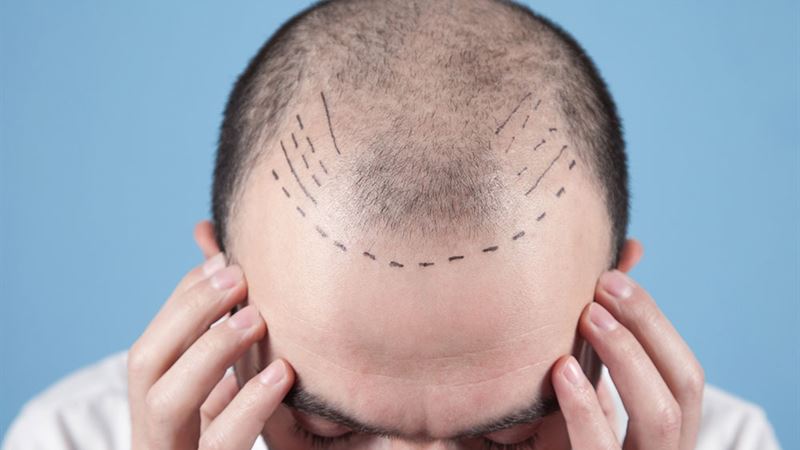
Hair loss can significantly impact a person's confidence and quality of life. Fortunately, hair transplant surgeries offer effective solutions for restoring a natural-looking head of hair. Understanding the various techniques available, their costs, and how to choose a trustworthy clinic is crucial for anyone considering this procedure. This comprehensive guide explores all aspects of hair transplantation, empowering you to make informed decisions. We delve into different surgical methods like Follicular Unit Extraction (FUE) and Follicular Unit Transplantation (FUT), discuss factors influencing treatment expenses, and provide tips on selecting reputable clinics that ensure safe and successful outcomes.
Hair restoration procedures have evolved dramatically over the past few decades. What was once a complex, invasive, and costly process has become more accessible and less intrusive thanks to advancements in surgical techniques. Today, individuals seeking hair transplants can choose from a variety of options that suit their specific needs, budget, and aesthetic goals. This detailed overview covers the most popular hair transplant techniques, the factors that affect their costs, and practical advice on finding the best clinics to ensure a smooth experience and optimal results.
Understanding Hair Transplant Techniques
- Follicular Unit Extraction (FUE): The FUE method involves harvesting individual hair follicles directly from the donor area, usually the back or sides of the scalp, and transplanting them into the balding regions. This technique is minimally invasive, causing less discomfort and scarring. Its advantages include quicker recovery times, natural results, and the ability to wear hair styles that require short cuts. However, FUE can be more time-consuming and often incurs a higher cost compared to other methods due to the meticulous nature of follicle extraction.
- Follicular Unit Transplantation (FUT): Also called the strip method, FUT involves removing a strip of scalp tissue from the donor area. The tissue is then dissected into individual follicular units under a microscope and transplanted into bald or thinning areas. FUT typically allows for a larger number of grafts to be transplanted in a single session, making it suitable for extensive hair restoration. While it may involve a linear scar at the donor site, recovery is generally straightforward, and costs tend to be lower than FUE.
- Robotic Hair Transplantation: Combining robotic assistance with traditional FUE techniques, this innovative approach enhances precision and reduces human error. The robotic system automates follicle extraction, leading to minimally invasive procedures with potentially faster results. Robotic transplants are often priced higher but promise high accuracy, minimal trauma, and excellent natural-looking outcomes.
Factors Influencing the Cost of Hair Transplant Procedures
- Number of Grafts Needed: The total cost depends primarily on the number of hair grafts required to achieve the desired density. More extensive hair loss necessitates higher graft counts, which directly increase the overall expense. The extent of hair thinning and the client's aesthetic preferences play vital roles in determining the number of grafts.
- Chosen Technique: FUE generally costs more than FUT due to its labor-intensive nature and precision. The decision between techniques depends on individual hair loss patterns, skin conditions, and personal preferences. Advanced methods like robotic transplants may add to the costs but also offer greater accuracy.
- Surgeon’s Expertise and Credentials: Highly experienced surgeons with a portfolio of successful cases often charge premium rates. Their skill ensures natural outcomes, minimizes complications, and improves the longevity of the results. Certification by recognized medical boards is a good indicator of professionalism and expertise.
- Clinic Location: The geographic location of the clinic significantly impacts costs. Urban centers such as Delhi, Mumbai, or Bangalore tend to have higher prices due to higher operational costs, but they also often feature more advanced facilities and renowned specialists.
- Additional Services: Post-operative care, medications, PRP therapy, and follow-up appointments can enhance results but may add to the total expense. Many clinics include some of these services in their packages, while others charge additionally.
Typical Cost Range for Hair Transplants in India
- Procedure Cost: The overall expense can vary between ₹35,000 to ₹2,65,000. Factors like graft count, technique, and clinic reputation influence this range. Lower costs often correspond to smaller graft numbers or clinics with less advanced technology, while higher prices usually reflect extensive procedures by top surgeons.
- Post-Operative PRP Sessions: Platelet-rich plasma therapy helps promote hair growth and accelerate healing. This treatment can cost anywhere from ₹20,000 to ₹60,000 depending on the number of sessions (typically 2-6). Incorporating PRP enhances the longevity and density of the transplanted hair.
- Hospital and Recovery Fees: The cost for hospitalization or clinic stay may range from ₹6,000 to ₹10,000. Recovery duration varies, and some patients may require additional treatments or medications, adding to the overall expenditure.
Tips for Selecting the Right Hair Transplant Clinic
- Research Reputable Clinics: Look for clinics with a proven track record of successful procedures. Reviewing patient testimonials, before-and-after photos, and online ratings can help gauge their credibility and quality of care.
- Verify Surgeon Qualifications: Ensure the surgeon is certified by recognized medical boards and specializes in hair restoration. An experienced surgeon's expertise greatly influences the natural look and success rate of the transplant.
- Conduct Multiple Consultations: Meeting with different clinics allows you to compare techniques, costs, and the surgeon’s approach. It also offers an opportunity to ask questions about the procedure, recovery, and expected outcomes.
- Understand the Technique: Discuss the specific method recommended and its benefits and risks. A transparent explanation helps you make a confident decision suited to your needs.
- Obtain a Detailed Quote: Get a comprehensive estimate that includes the total number of grafts, breakdown of costs, and any additional expenses. Clear pricing prevents misunderstandings or unexpected costs post-procedure.
How to Find Top Hair Transplant Clinics Near You
- Search online for keywords like "hair transplant near me" or "best hair restoration specialist in [your city]." This will help identify reputed clinics close to your location.
- Many clinics offer free initial consultations and personalized cost assessments based on your hair loss pattern, graft requirements, and selected technique.
- Utilize medical tourism directories and industry forums, where patients share their experiences, including costs and clinic quality ratings.
Why Opt for Hair Transplants in India?
- Cost Efficiency: India offers high-quality hair transplant services at a fraction of the price compared to Western countries. The affordability makes it an attractive destination for medical tourism.
- Skilled Surgeons: The country boasts many internationally trained and experienced hair transplant specialists known for their precision and natural results.
- Advanced Technology: Leading clinics are equipped with cutting-edge equipment, such as robotic systems, laser-assisted tools, and modern operating theaters, ensuring safe and effective procedures.
- Comprehensive Care: Reputable Indian clinics emphasize patient safety, comfort, and post-operative support, providing holistic treatment plans tailored to individual needs.
Choosing the right surgeon and clinic involves careful research, assessing your specific needs, and understanding the procedure’s costs and benefits. Schedule consultations, ask questions, and review previous work to ensure you select a facility that delivers quality care and natural results. A well-performed hair transplant can restore not only your hair but also your confidence and quality of life.