
Comprehensive Guide to Hair Transplantation: Types, Procedures, and Costs
Discover everything about hair transplantation, including different techniques like FUE, FUT, DHI, and ARTAS. Learn about the procedures, costs, and how to select the right clinic and specialist for best results. This comprehensive guide helps you understand the process and make informed decisions for permanent hair restoration.
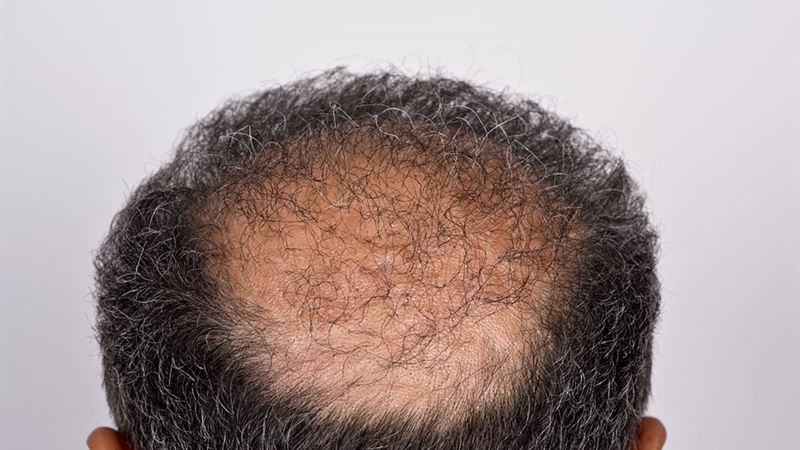
Hair loss affects a significant portion of the population worldwide, prompting many individuals to seek effective solutions to restore their natural hairline and boost self-confidence. Among the various treatments available, hair transplantation has proven to be a reliable, permanent remedy for those suffering from androgenetic alopecia and other hair loss conditions. This guide will explore in depth the different hair transplant techniques, their procedures, associated costs, and essential considerations for choosing the right clinic and specialist. Understanding these aspects can help prospective patients make informed decisions tailored to their needs and budget.
In terms of pricing, the cost of hair transplant procedures varies widely depending on factors such as the clinic's reputation, geographic location, the complexity of the case, and the specific technique used. High-end clinics may charge up to €8,000 or more for an advanced procedure, especially when employing cutting-edge technology like Direct Hair Implantation (DHI). Typically, DHI tends to be 20-25% more expensive compared to Follicular Unit Extraction (FUE). These differences reflect the additional expertise, equipment, and time involved in premium procedures. Prices may also fluctuate based on the total number of grafts required and whether the package includes post-operative care, medications, or follow-up sessions.
Various Types of Hair Transplant Techniques
Different techniques aim to replicate natural hair growth patterns, minimize scarring, and ensure long-lasting results. Below, we examine the most common methods, their advantages, and suitability for various patients.
- Follicular Unit Extraction (FUE)
- Follicular Unit Transplantation (FUT)
- Direct Hair Implantation (DHI)
- Robotic Hair Transplantation (ARTAS)
1. Follicular Unit Extraction (FUE)
The FUE technique involves extracting individual hair follicles from the donor area, usually the back or sides of the scalp, and transplanting them into the balding or thinning regions. This minimally invasive method is highly favored for its ability to produce less visible scarring and faster recovery times. Surgeons use specialized micro-punch tools to carefully remove each follicle without damaging the surrounding tissue.
This method is especially suitable for those seeking a discrete, natural look, as the tiny puncture scars are often virtually invisible. FUE is also versatile, allowing for hair removal from other body areas such as the chest or limbs if needed. The procedure typically takes several hours, depending on the number of grafts, and patients can resume normal activities within a few days. It’s important to note that FUE may be less appropriate for individuals with extensive hair loss requiring large graft counts, as it can be more time-intensive and costly for significant transplants.
2. Follicular Unit Transplantation (FUT)
Often called the strip method, FUT involves removing a thin strip of scalp tissue from the donor area. The strip is then dissected into individual grafts under a microscope. This technique allows surgeons to transplant a higher number of grafts in a single session, making it suitable for extensive hair loss cases.
One drawback of FUT is the linear scar that remains at the removal site, which may be visible if the hair is worn short. Recovery is generally longer compared to FUE, with some discomfort and swelling lasting several days. Nonetheless, FUT tends to be more cost-effective for large transplants and is preferred by patients looking to achieve dense coverage quickly. The procedure requires a skilled surgeon to minimize scarring and optimize graft survival.
3. Direct Hair Implantation (DHI)
This advanced method combines aspects of FUE with specialized implantation techniques. Surgeons use a high-precision implanter pen, which enables them to implant follicles directly into the scalp without prior creation of recipient sites. The result is a more natural growth pattern, with denser packing and minimal trauma to the tissue.
DHI is considered a premium service due to the meticulous skill required and the specialized equipment involved. It allows for more precise placement of grafts at specific angles and depths, mimicking natural hair growth better than traditional methods. The procedure is relatively longer and more expensive but can be ideal for patients seeking very natural results, especially in areas requiring high density or hairline reconstruction.
4. Robotic Hair Transplantation (ARTAS)
The ARTAS system utilizes robotic technology to assist in the extraction and transplantation of hair follicles. Controlled by a computer, the robot precisely identifies donor follicles, extracts them, and assists in their placement, reducing human error and increasing efficiency.
Like DHI, ARTAS is a cutting-edge, high-cost technique that offers a minimally invasive experience with minimal scarring. It is particularly effective for patients with well-defined donor areas and requires less manual labor from the surgeon. The accuracy and speed of robotic systems make this method attractive for busy clinics aiming to deliver consistent, high-quality results. However, the initial investment in equipment and training means that clinics may charge premiums for ARTAS procedures.
The Standard Procedure for Hair Transplantation
Although techniques differ, the overall workflow for hair transplants follows a systematic approach to ensure natural results and safety. It typically consists of several phases:
- Consultation and Planning
- Graft Extraction
- Graft Preservation and Preparation
- Implantation
- Post-operative Care and Follow-up
Initial Consultation and Treatment Planning
Patients commence with an in-depth discussion with the surgeon to determine their goals, assess the extent of hair loss, and identify suitable techniques. The surgeon evaluates scalp donor areas, discusses the number of grafts needed, and shows patients before-and-after photos of previous cases. During this phase, questions about recovery, potential risks, and expected outcomes are addressed comprehensively.
Proper planning ensures that the procedure aligns with the patient’s aesthetic preferences and health condition. The surgeon may also recommend additional treatments or lifestyle changes to optimize results.
Graft Harvesting
Depending on the chosen method, grafts are meticulously extracted from the donor site. In FUE, individual follicles are removed with micro-punch tools, while FUT involves dissecting a strip of scalp tissue. During this phase, utmost care is taken to preserve the integrity of the follicles and prevent damage, which is crucial for high survival rates post-transplant.
In some cases, extraction from body hair may be considered, especially if scalp donor supply is limited. The harvested grafts are then carefully cleaned and sorted based on the number of hair follicles they contain.
Graft Preservation
Once extracted, grafts are maintained in a suitable solution to keep them alive until implantation. They are usually immersed in platelet-rich plasma (PRP) or special media that support survival and promote healing after transplantation. Proper preservation is essential for maximizing the number of viable grafts and ensuring successful hair growth.
Throughout this phase, grafts are stored at controlled temperatures and handled under sterile conditions to prevent contamination or damage.
Implantation
During this critical phase, the surgeon or trained technicians implant the hair follicles into tiny incisions made in the chosen recipient areas. In DHI, the follicle is directly implanted with the help of an implanter pen, allowing for quicker and more precise placement. The angle, depth, and density of implantation are carefully controlled to replicate natural hair growth patterns.
This process requires a high level of skill and patience to produce dense, realistic results. The surgeon may work in sections, starting from the hairline and advancing toward the crown or other regions.
Post-op Care and Follow-up
After the procedure, meticulous aftercare is essential to facilitate healing and optimize graft survival. Patients are advised to avoid excessive friction, exposure to sunlight, or strenuous activities for a designated period. Gentle washing, prescribed medications, and regular follow-up visits help monitor progress and address any complications promptly.
Most patients experience mild swelling, redness, or itching initially, which subsides within a few days to weeks. Full hair growth typically becomes noticeable after 3-6 months, with optimal density visible around 12 months post-procedure.
Criteria for Selecting a Skilled Hair Transplant Specialist
Choosing the right clinic and surgeon is crucial for achieving satisfactory results. Considerations include:
- Experience and reputation of the surgical team
- Patient reviews and before-and-after galleries
- Clinic facilities and hygiene standards
- Availability of advanced technologies like DHI or ARTAS
- Follow-up support and aftercare services
- Transparent pricing and flexible payment options
Researching thoroughly and consulting multiple clinics can help identify the best fit for your specific needs. Remember, investing in a reputable specialist increases the likelihood of natural, lasting results and minimizes potential risks.