
Comprehensive Guide to Shingles Treatment and Relief Strategies
This extensive guide provides detailed insights into shingles treatments, including medications, natural remedies, dietary tips, and preventive measures. It emphasizes early intervention, symptom management, and lifestyle adjustments to promote faster recovery and reduce complications. Learn effective ways to alleviate pain and support healing with expert advice and natural therapies tailored for shingles sufferers.
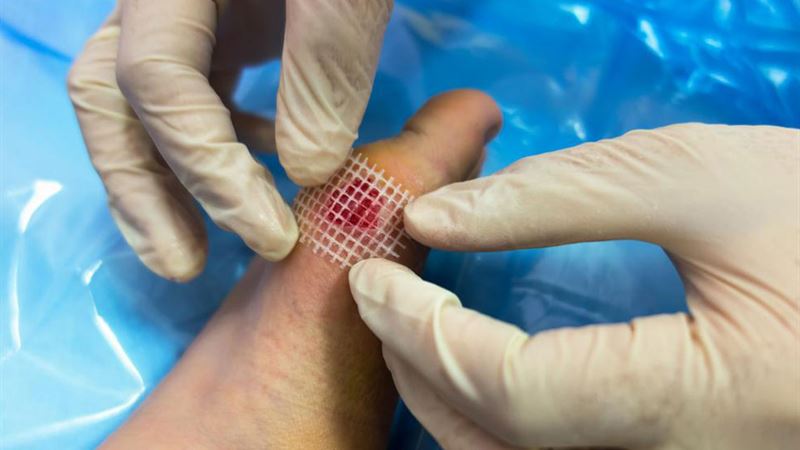
Shingles, also known as herpes zoster, manifests as a painful rash typically forming a band-like pattern on one side of the body. Often accompanied by persistent pain even after the rash subsides, shingles can significantly impact quality of life. Effective management requires a combination of medical therapies and supportive care. Understanding the symptoms, timely treatment, and natural remedies can greatly improve recovery outcomes. This comprehensive guide explores various medications, natural remedies, dietary tips, and lifestyle adjustments to help manage shingles more effectively.
Shingles generally takes about four weeks to heal. During this period, other symptoms such as nerve pain might linger for several weeks or even months. The skin usually heals completely, but some individuals experience residual discomfort known as postherpetic neuralgia. Prompt medical intervention can shorten the duration of symptoms and decrease the risk of complications. Modern antiviral drugs are the primary treatment, aiming to suppress the herpes zoster virus and reduce the severity of symptoms. In addition to pharmaceuticals, several natural treatments and home remedies can provide relief, promote healing, and alleviate discomfort.
Common medications prescribed for shingles include antiviral drugs like acyclovir, valacyclovir, and famciclovir. These medications are most effective when started early—preferably within 72 hours of rash appearance. They work by limiting viral replication, thus reducing pain, inflammation, and duration of the outbreak. Besides antivirals, doctors may recommend corticosteroids to diminish nerve inflammation or pain medications, including analgesics, to manage discomfort. In some cases, topical creams containing capsaicin or soothing agents can help ease itching and irritation. Vaccination is also a preventive measure—especially for older adults—to reduce the risk of developing shingles altogether.
In addition to prescribed medicines, natural treatments and home remedies can contribute to symptom relief and faster recovery. Cool compresses applied directly to affected skin can mitigate inflammation and soothe pain. Maintaining good hygiene—keeping blisters clean and dry—helps prevent secondary bacterial infections. A soothing bath with baking soda or colloidal oatmeal can reduce itching and discomfort. Applying calamine lotion or other dermatological ointments can provide extra relief from itching and irritation. Proper rest, hydration, and stress management are vital to bolster the immune system, aiding the body’s natural healing process.
Diet plays a significant role in managing shingles. Foods rich in vitamins A, B12, C, and E support immune health and tissue repair. Incorporating citrus fruits, carrots, spinach, beans, and whole grains into your diet can promote healing. Avoiding stress-inducing activities and maintaining a balanced lifestyle can prevent flare-ups. Some herbs and supplements, like echinacea or zinc, are believed to enhance immune response, although consultation with a healthcare provider is recommended before use.
Beyond medications and diet, certain soothing lotions and topical ointments can alleviate symptoms. Products containing menthol, aloe vera, or chamomile can soothe irritated skin and reduce inflammation. These treatments should be used consistently—generally three to four times daily—to achieve optimal results. Additionally, wearing loose-fitting clothing helps reduce irritation and allows the skin to breathe. In cases involving severe pain or persistent symptoms, consulting a healthcare professional for advanced therapies like nerve blocks or specialized pain management might be necessary.
Preventive measures such as vaccination are crucial in reducing the incidence of shingles, especially among older adults and immunocompromised individuals. The shingles vaccine, such as Zostavax or Shingrix, has proven effective in decreasing the risk and severity of outbreaks. Maintaining a healthy immune system through balanced nutrition, regular exercise, adequate sleep, and stress management also plays a critical role in prevention. Recognizing early signs of shingles—such as tingling, itching, or burning sensations—can help initiate prompt treatment, minimizing complications and speeding recovery.
In conclusion, managing shingles involves a multi-faceted approach combining medical treatments, natural remedies, lifestyle adjustments, and preventive strategies. Early intervention with antiviral medications can significantly reduce the severity and duration of symptoms. Complementary therapies like soothing baths, topical ointments, and nutritional support further enhance comfort and healing. Staying vigilant about personal health and hygiene, along with vaccination, can prevent future episodes. With appropriate care, most individuals recover fully, experiencing minimal residual discomfort.