
Comprehensive Guide to the Advantages and Disadvantages of Owning a Pickup Truck
This detailed guide explores the numerous advantages and disadvantages of owning a pickup truck. From handling and safety to space and cost considerations, understand the key factors to make an informed decision. Learn how pickup trucks can boost your productivity and outdoor adventures while being mindful of their challenges, including fuel consumption and safety risks. Ideal for professionals and outdoor enthusiasts, this comprehensive overview helps you determine if a pickup truck aligns with your lifestyle and needs. Make smarter vehicle choices today with our expert insights.
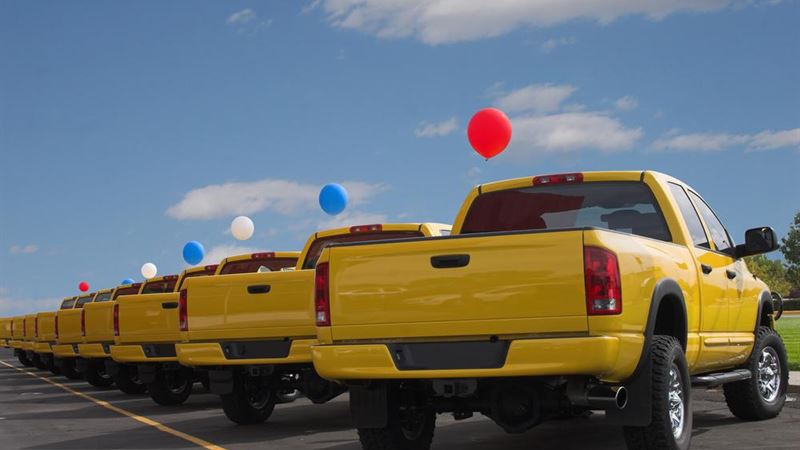
Owning a pickup truck can be a game-changer for professionals and outdoor enthusiasts alike, offering a unique blend of versatility, durability, and rugged appeal. However, like any vehicle, pickup trucks come with their set of advantages and disadvantages that you should carefully consider before making a purchase. This comprehensive guide will delve into the key pros and cons of pickup truck ownership, exploring factors such as maneuverability, safety concerns, interior and exterior space, practicality, fuel efficiency, and more.
1. Handling and Maneuverability
Pickup trucks are renowned for their substantial size and robust build, which can pose challenges when navigating crowded or narrow roads. Their height and width can make parking and turning more difficult compared to smaller vehicles like sedans or hatchbacks. Drivers often find that maneuvering a pickup truck requires more skill and attention, particularly in urban environments with tight parking spaces and heavy traffic. Moreover, the larger footprint of pickup trucks impacts their fuel consumption and the ease of driving in certain conditions. Wind gusts and strong crosswinds can adversely affect stability, especially for taller models. Additionally, the weight distribution and high center of gravity in some trucks can influence handling, making them feel less agile than smaller vehicles.
2. Safety Considerations
Safety is a critical aspect to consider with pickup trucks. Their structural design offers certain advantages like a strong frame and high ground clearance, but these same features can present risks during accidents. The tall stature of pickups makes them more susceptible to rollovers, especially if the vehicle is not properly loaded or balanced. In adverse weather conditions such as snow, rain, or ice, pickup trucks may be more challenging to control. They are prone to fishtailing or sliding if the rear bed is not adequately weighted down to maintain balance. Passenger safety is also a concern, as most pickups lack rear seats designed for adults, limiting passenger capacity and potentially compromising security in the event of a collision. Manufacturers are continually working to enhance safety features in trucks, including advanced driver-assistance systems (ADAS), anti-lock brakes, and stability control to mitigate these risks. Still, potential buyers should weigh these safety factors carefully, especially if they plan to use the vehicle for daily commuting in urban or challenging terrains.
3. Exterior and Interior Space
One of the most attractive features of pickup trucks is their expansive cargo capacity. The open bed at the back provides an unmatched level of storage flexibility, making pickups ideal for hauling heavy, bulky, or dirty materials that wouldn’t fit comfortably in a car or SUV. The exterior space allows for transporting equipment, furniture, building supplies, and outdoor gear with ease. This makes the pickup truck the preferred choice for contractors, farmers, and outdoor enthusiasts who need reliable and accessible cargo space. However, the generous exterior cargo capacity comes with trade-offs inside the vehicle. The interior cabin of a pickup truck typically offers limited passenger seating. Most models provide a small back seat area, which often isn't suitable for large individuals or car seats for young children. This cramped interior space can diminish comfort for passengers during long drives. Furthermore, the open bed leaves the cargo area exposed to weather elements, which might require additional covers or enclosures for protection against rain, snow, or debris. The design prioritizes utility over passenger comfort, so potential owners should consider their primary use of the vehicle before making a decision.
4. Practicality and Utility
Pickup trucks excel in practical applications, especially for work-related tasks. Their rugged construction and powerful engines allow them to perform demanding activities such as towing trailers, hauling heavy loads, and traversing rough terrains. The separate cargo bed enables users to carry items that would be impossible to transport in a sedan or station wagon. In the realm of outdoor recreation, pickup trucks provide reliability for driving to remote campsites, hauling boats and motorcycles, or managing construction projects. They are built to endure tough conditions, making them invaluable for professionals and hobbyists who rely on their vehicle’s strength. On the flip side, this practicality comes with certain drawbacks. The substantial size and weight of pickups impact everyday usability in urban settings, where parking and narrow streets are prevalent. Additionally, the larger chassis increases maintenance costs and reduces fuel efficiency.
5. Fuel Efficiency and Operating Costs
One of the most significant considerations with pickup trucks is their fuel economy. Given their size and engine capacity, pickups tend to consume more fuel than smaller vehicles. Average mileage can range from around 15 to 23 miles per gallon, depending on the model, load, and driving conditions. For those who frequently travel long distances or use their pickup for work, fuel costs can accumulate rapidly. This makes operating a pickup more expensive in the long term compared to sedans, hatchbacks, or hybrids that offer superior fuel efficiency. Maintenance and repairs also tend to be higher for pickup trucks, especially for models with heavy-duty components and advanced features. Tires, brakes, and suspension systems endure greater wear and tear due to the vehicle’s weight and load capacity.
6. Cost Considerations
Purchasing a pickup truck involves a significant financial investment. The initial purchase price can be higher than many other vehicle types, especially for models equipped with the latest safety features, luxury options, and powerful engines. Additionally, insurance premiums for pickup trucks may be higher due to their size, safety risks, and the typical usage patterns of owners. Fuel costs, maintenance, repairs, and modifications all contribute to the overall cost of ownership. However, the durability and multifunctionality of pickup trucks can justify the expense for those who depend on them for work or recreation. It's essential to weigh the upfront costs against the long-term benefits and expenses associated with owning such a versatile vehicle.
Conclusion
Owning a pickup truck offers a range of benefits, including impressive cargo capacity, durability, and versatility. They are ideal for professionals requiring heavy-duty work, outdoor adventurers, and those who frequently haul or tow large items. However, potential owners must consider the challenges related to maneuverability, safety, interior space, fuel efficiency, and cost. Ultimately, the decision to own a pickup truck should align with your specific needs and lifestyle. Weighing these pros and cons will help you determine whether a pickup truck is the right fit for your everyday driving and specialized tasks. With the right choice, a pickup truck can become an invaluable asset that enhances productivity and outdoor experiences.