
Essential Guide to Car Tire Maintenance for Optimal Vehicle Performance
Proper car tire maintenance is crucial for ensuring safety, improving fuel efficiency, and enhancing vehicle performance. Regular inspections, correct inflation, and mindful driving habits help extend tire life, prevent accidents, and save money. This comprehensive guide details essential tire care practices to keep your vehicle running smoothly and safely. Implementing these strategies will not only improve handling and safety but also lead to significant savings on maintenance and fuel costs, making tire upkeep an essential part of responsible vehicle ownership.
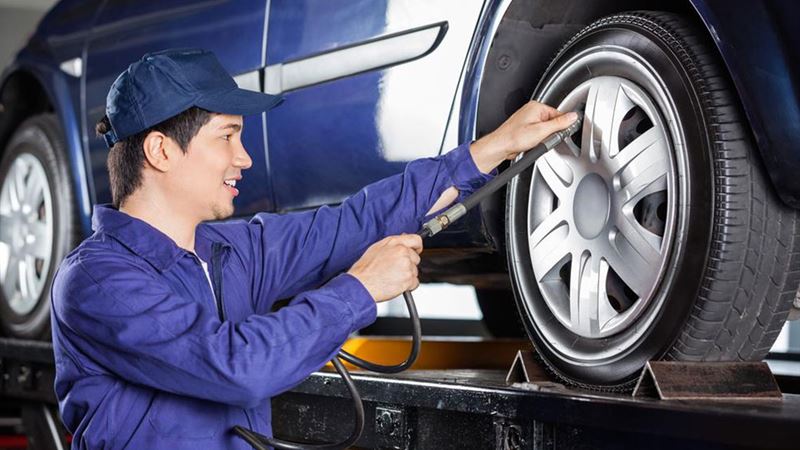
Car tires serve as the critical point of contact between your vehicle and the road surface. Proper maintenance of tires is essential not only for your safety but also significantly influences your vehicle's overall performance, fuel efficiency, and longevity. Well-maintained tires ensure smoother rides, better handling, and lower risk of accidents caused by tire failure. Whether you own a sedan, SUV, truck, or sports car, understanding the importance of tire maintenance is key to maximizing your vehicle’s capabilities while saving money in the long run.
Understanding the Role of Tires in Vehicle Performance
Every journey begins with your tires. They are the only components in direct contact with the road, bearing the entire weight of the vehicle. When tires are in optimal condition, they provide proper traction, reduce rolling resistance, and contribute to precise steering and braking. Conversely, worn or improperly maintained tires can lead to hazardous driving conditions, including skidding, hydroplaning, and increased stopping distances. Recognizing this underscores why consistent tire care is a crucial aspect of vehicle maintenance.
The Impact of Tires on Fuel Economy
One often overlooked benefit of good tire maintenance is improved fuel efficiency. Tires that are underinflated increase rolling resistance, forcing the engine to work harder to keep the vehicle moving. This extra effort consumes more fuel, inflating your fuel bills unnecessarily. Maintaining the correct tire pressure as specified by your vehicle’s manufacturer can substantially reduce fuel consumption. Regular checks and proper inflation are simple, cost-effective practices that contribute to significant savings over time.
Key Practices for Tire Maintenance
Maintaining your tires properly requires a combination of routine inspections, adhering to recommended pressure levels, and mindful driving habits. Here are some detailed strategies to ensure your tires remain in top condition:
- Regular Inspection: Conduct comprehensive checks of your tires at least once a month. Look for signs of uneven wear, cuts, punctures, embedded debris, or visible sidewall damage. A professional inspection during annual vehicle servicing helps detect issues early before they escalate.
- Correct Tire Inflation: Always keep your tires inflated to the PSI (pounds per square inch) suggested by your vehicle manufacturer. Proper inflation ensures even tire wear, optimal handling, and maximum fuel efficiency. Use a reliable pressure gauge for checks, preferably when the tires are cold to get accurate readings.
- Avoid Excessive Speeds and Aggressive Driving: High-speed driving, rapid acceleration, and harsh braking accelerate tire wear and can cause uneven tread patterns. Drive smoothly and within speed limits to extend tire life and maintain safety.
- Adhere to Load Capacity: Do not overload your vehicle beyond the recommended weight limit. Excess weight puts undue stress on tires, accelerating deterioration and risking tire blowouts.
- Rotation and Alignment: Regularly rotate your tires following your vehicle’s maintenance schedule to promote even wear. Additionally, ensure that your wheel alignment is checked periodically, especially if you notice uneven tread wear or pulling to one side.
- Proper Storage: If your vehicle is unused for extended periods, store it in a cool, dry place, and ensure tires are inflated appropriately to prevent flat spots or deterioration.
Signs That Indicate Your Tires Need Immediate Attention
While routine checks are vital, being aware of specific signs can prevent accidents and costly repairs. Seek professional assistance if you observe:
- Uneven or excessive tread wear patterns, especially on one side
- Cracks, cuts, or bulges on the sidewalls
- Vibrations while driving that aren’t related to road conditions
- Persistent loss of air pressure despite frequent inflation
- Steering instability or pulling to one side
Remember, timely intervention can save lives and money. Replacing tires when they reach the end of their service life is critical for ensuring safety and optimal performance.
The Long-Term Benefits of Consistent Tire Maintenance
Investing time and effort into regular tire care offers extensive benefits. Besides enhanced safety and improved vehicle handling, it leads to:
- Increased tire lifespan, reducing replacement costs
- Better fuel economy, saving money on fuel bills
- Lower risk of accidents caused by tire failure
- Enhanced driving comfort and performance
- Protection of your vehicle’s suspension and braking systems
In Conclusion
Maintaining your car tires is a fundamental aspect of responsible vehicle ownership. It involves routine inspections, proper inflation, careful driving, and timely replacements. These practices not only enhance your safety but also significantly boost your vehicle’s performance and efficiency. Prioritizing tire care can lead to a smoother, safer, and more economical driving experience, proving that small daily habits can make a substantial difference in your overall vehicle maintenance routine.
By staying vigilant and proactive about tire maintenance, you ensure that every mile you drive remains safe, efficient, and enjoyable. Regularly review your tires’ condition, adhere strictly to manufacturer guidelines, and avoid neglect, so you can enjoy the full benefits of your vehicle’s capabilities for years to come.