
Comprehensive Guide to Selecting the Perfect Above Ground Pool for Your Home
Discover an in-depth guide to choosing the perfect above ground pool, covering structural options, placement tips, material choices, and design features. Make an informed investment for enjoyable summers with family and friends, ensuring durability and safety. Learn how to select the ideal size, material, and location for your backyard oasis and enjoy a durable, attractive pool tailored to your needs.
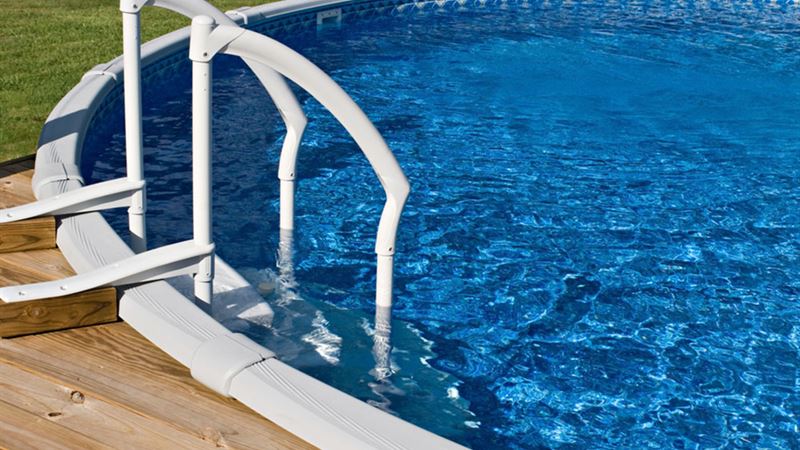
Understanding the different types of above ground pools is fundamental to making an educated choice. The market offers a diverse range of options, each with unique features, advantages, and drawbacks. By weighing these options against your specific requirements, you can identify the pool that best complements your lifestyle and property. We will delve into critical elements such as wall and liner construction, placement considerations, material types, and pool design, which collectively influence the longevity and usability of your investment.
**Structural Aspects: Walls and Liners**
The backbone of any above ground pool is its structure, primarily consisting of the walls and liners. These components are responsible for supporting the water's weight and maintaining the pool's shape. Choosing high-quality materials here is essential for durability and safety. Typically, pool walls are made from aluminum, galvanized steel, or resin, each offering distinct benefits. Aluminum walls are lightweight and resistant to rust, making them ideal for long-term use. Galvanized steel is known for its strength and robustness, suitable for larger pools or areas with high usage. Resin walls are corrosion-resistant and require minimal maintenance, often favored for aesthetic reasons.
In addition to structural walls, liners play a vital role in preventing leaks and providing a comfortable surface for swimmers. Pool liners are generally made from PVC or vinyl, offering flexibility and ease of installation. When selecting a liner, consider thickness and reinforcement features, as these influence longevity and resistance to tears or punctures. A properly matched combination of wall and liner ensures a secure, long-lasting pool that withstands the elements and regular use.
**Choosing the Right Location for Your Pool**
Placement is a critical factor that affects the maintenance, safety, and overall performance of your above ground pool. The ideal location should have sufficient space, stable ground, and proximity to essential utilities like electrical outlets for filtration and lighting systems. When deciding on a site, avoid areas under or near trees to minimize debris, fallen leaves, and potential roots that could disturb the pool's foundation. Nearby structures or fences provide windbreaks and added privacy but should not obstruct access or maintenance tasks.
Ensure the chosen spot is level, as uneven ground can compromise stability and increase installation costs. If the terrain is uneven, consider leveling options or installing a perimeter deck or platform. Additionally, locate the pool away from high-traffic zones to minimize accidental damage or injuries. Attention to electrical safety is paramount; keep the pool at a safe distance from electrical panels and outdoor power sources, and ensure all wiring is compliant with local codes. Adequate drainage and runoff considerations are also essential to prevent water pooling around the pool area, which can cause shifting or erosion.
**Materials Used in Above Ground Pool Construction**
The choice of material significantly influences the pool's durability, appearance, and maintenance requirements. The three main options are metal, hybrid, and resin. Understanding the benefits and limitations of each helps in selecting the most suitable material for your environment and usage demands.
- Metal Pools: Typically featuring steel or aluminum walls, metal pools are known for their strength and stability. Steel provides excellent structural integrity but may require rust-proof coatings or liners to prevent corrosion. Aluminum is more resistant to rust and is lighter, making installation easier. Metal pools often have a sleek, modern appearance and are suitable for larger, permanent setups.
- Hybrid Pools: Combining metal frameworks with resin or polymer components, hybrid pools offer a balance of durability and aesthetic appeal. They usually feature coated steel walls with resin liners or caps, providing resistance to rust and UV damage. Hybrid models tend to be more lightweight than traditional all-metal pools and easier to assemble.
- Resin Pools: Constructed primarily from high-strength resin, these pools are highly resistant to corrosion, UV rays, and environmental elements. Resin pools are often favored for their low maintenance and vibrant, attractive finishes. They are ideal for locations with high humidity or proximity to the ocean, where rust risk is elevated.
**Design and Size Considerations: Ledge Width and Pool Dimensions**
An important aspect that often gets overlooked is the ledge width surrounding the pool's interior. The ledge, also known as the coping or rim, varies in width from as narrow as 1 inch to as wide as 12 inches. A wider ledge offers more space for stepping, seating, or placing pool accessories, and adds to the structural stability of the pool. The recommended ledge width falls between 6 to 8 inches, providing a good balance of usability and structural integrity.
When selecting your pool size, consider the available space, intended use, and the number of swimmers. Above ground pools come in various diameters and depths, from small 8-foot models suitable for children to large 24-foot pools intended for family gatherings and entertaining. Depth options also vary, with standard depths ranging from 48 inches to more than 54 inches. Deeper pools are ideal for diving or water sports but require additional safety measures.
Beyond size, the shape of the pool—whether round, oval, or rectangular—affects installation flexibility and aesthetics. Round pools are easier to install and require less space, while rectangular or oval pools fit better into specific yard layouts and can offer a more modern look.
**Investing in the Ideal Above Ground Pool for Your Summer**
Choosing the right above ground pool is a combination of understanding your needs, analyzing your outdoor environment, and weighing your budget. A well-selected pool enhances your summer experience, provides a safe and relaxing environment for family and friends, and adds value to your property. By focusing on structural quality, optimal location, appropriate materials, and thoughtful design, you can ensure your purchase is both satisfying and long-lasting. Remember, proper installation and regular maintenance are also pivotal in extending the lifespan and preserving the appearance of your above ground pool. Dive into the summer season with confidence, knowing you have made an informed choice tailored to your specific requirements and lifestyle.