
Comprehensive Guide to Solar Panel Installation Costs in Germany for 2024
This comprehensive guide explores the detailed costs, components, government incentives, and long-term benefits of installing solar panels in Germany. It offers valuable insights for homeowners and businesses considering renewable energy investments, highlighting savings, environmental impacts, and financial support available to accelerate the transition to sustainable energy solutions.
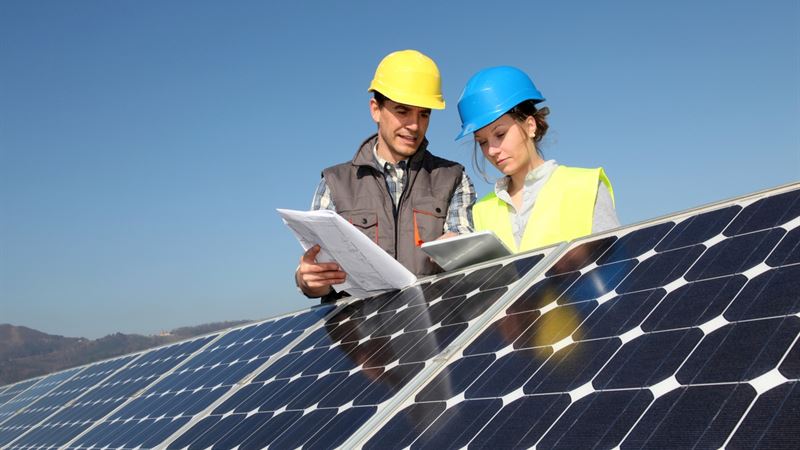
Estimating the Upfront Expenses of Solar Panel Systems in Germany
Purchasing and installing solar panels involves several components and services that collectively determine the total initial expenditure. The typical range for residential solar system costs in Germany is approximately €1,200 to €1,800 per kilowatt-peak (kWp). For average households with a 5 kWp installation, this translates to an initial investment between €6,000 and €9,000, depending on various factors such as quality, brand, and installer fees. Delving into each cost element provides clarity on how the total sum is calculated and what factors influence the final price.
Key Components Contributing to Installation Cost
- Solar Panels: The core of the system, the solar modules, vary widely in efficiency, durability, and price. High-efficiency panels, often made from monocrystalline silicon, deliver better performance, especially in limited space, but are usually more costly. The choice of panel impacts not only the initial investment but also the system's energy output and lifespan.
- Inverter: Responsible for converting the direct current (DC) generated by the panels into alternating current (AC) suitable for household use, inverters are vital components. Prices for inverters for a 5 kWp system generally range between €800 and €1,200, with higher-quality models offering better reliability and longer warranties.
- Mounting and Support Structures: Proper mounting systems ensure secure attachment of panels to roofs or ground mounts. Costs depend on the type of mounting (roof-mounted or ground-mounted), material choices (aluminum, steel, or other composites), and the complexity of installation. Durable, weather-resistant mounting solutions may carry a higher upfront cost but are essential for long-term safety.
- Installation and Labour: Skilled professionals handle system setup to guarantee safety, efficiency, and compliance with local regulations. Labour fees for professional installation in Germany typically range from €1,000 to €2,000, influenced by site complexity, system size, and installer experience.
- Permitting and Inspection Fees: Local authorities require permits and system inspections to ensure adherence to safety and technical standards. These costs generally fall between €300 and €500, depending on the municipality and the scope of the project.
Additional Expenses and Optional Costs
- Battery Storage Systems: For households aiming to maximize renewable energy use, adding battery storage is an option. Although not mandatory, batteries can significantly increase overall costs, ranging from €4,000 to €8,000 depending on capacity.
- Monitoring Equipment: Installing digital monitoring systems enables homeowners to track energy production and consumption in real-time. These systems typically add a few hundred euros but offer valuable insights for optimizing system performance.
- Cabling and Electrical Components: Proper wiring, connectors, and electrical safety devices are necessary for system operation and code compliance. These costs are usually incorporated into the installation fee but can sometimes be itemized separately.
Understanding Ongoing Expenses and Maintenance
Once installed, solar power systems incur minimal ongoing costs compared to traditional energy sources. Maintenance primarily involves routine cleaning and periodic inspections to ensure optimal operation.
- Maintenance and Cleaning: Solar panels generally require little maintenance, but regular cleaning improves efficiency, especially in regions with dust, pollen, or snow. Annual cleaning costs are estimated at €100 to €200.
- Inverter Replacement: The inverter's lifespan averages 10-15 years. Planning for eventual replacement is prudent; current replacement costs range from €800 to €1,200, similar to initial purchase prices.
- System Repairs and Upgrades: Occasional repairs or component upgrades may be necessary, particularly as technology advances or in response to climate-related wear and tear. Setting aside a budget for future repairs is advisable.
Government Incentives and Financial Support in Germany
Germany offers a range of incentives to promote the adoption of solar energy, making investments more affordable and attractive. Understanding these programs can significantly impact your overall costs and return on investment.
- Feed-in Tariffs (EEG): Under Germany's Renewable Energy Sources Act (EEG), system owners earn fixed payments for electricity exported to the grid. Although tariffs have decreased in recent years, they remain a vital incentive, typically around €0.07 to €0.10 per kWh, providing a steady income stream over the system's lifespan.
- Low-Interest Loans via KfW: The Kreditanstalt für Wiederaufbau (KfW) supports renewable projects with attractive loan options. These loans can cover up to 100% of the installation cost and feature low-interest rates, making solar investment more accessible, especially for homeowners and small businesses.
- Tax Benefits and Exemptions: Solar installations under 30 kWp are exempt from value-added tax (VAT) in Germany. This exemption reduces overall costs. Additionally, self-consumed solar power may be exempt from certain electricity levies, further decreasing operational expenses.
Long-term Financial Gains and Return on Investment (ROI)
While upfront costs may seem significant, the long-term benefits are compelling. Typical payback periods in Germany range between 8 and 12 years, influenced by system size, energy consumption patterns, and available subsidies.
- Electricity Cost Savings: Generating your own electricity reduces dependence on grid supplies, leading to substantial savings on monthly energy bills. As Germany faces rising electricity prices, these savings can accumulate rapidly.
- Enhanced Property Value: Solar-equipped homes tend to have higher market values. As energy efficiency and sustainability become priority features for homebuyers, solar installations can boost resale value and attractiveness.
- Environmental Impact and Sustainability: Solar power significantly reduces carbon emissions, supporting Germany's climate targets. Adoption of solar energy aligns with global efforts to combat climate change and promotes a cleaner environment.
In conclusion, the financial and environmental advantages of installing solar panels in Germany outweigh the initial investment, especially when considering government incentives and the promise of ongoing savings. Carefully planning your system, selecting quality components, and leveraging available financial support can make solar energy a cost-effective and environmentally responsible choice. As technology progresses and costs decrease, solar power is poised to become even more attainable for households and businesses across Germany. Embracing renewable energy today helps pave the way for a sustainable future, transforming Germany into a leader in green energy innovation.