
Comprehensive Guide to Solar Panel Setup: Costs, Eligibility, and Government Assistance Programs
Discover everything you need to know about installing solar panels, including costs, ideal roof setups, government grants, and step-by-step guidance. Learn how to maximize efficiency and save money while embracing renewable energy for your home. Professional insights ensure a smooth installation process, enabling homeowners to benefit from sustainable, cost-effective solar energy. Explore government incentives, compliance requirements, and practical tips to optimize your solar power system for long-term savings and energy independence.
Roof Orientation and Pitch Considerations
Optimal solar energy production is largely influenced by the roof's direction and tilt angle. Experts generally recommend installing solar panels on roofs that face south and are free of shading. An inclination angle between 20° and 50° maximizes efficiency, with around 30° being ideal for many locations. East- and west-facing roofs can still produce substantial energy, approximately 15-20% less than south-facing roofs, making them suitable alternatives. Roofs facing north are typically not recommended due to lower solar exposure.
Assessing Roof Size and System Capacity
The size of your roof directly impacts the capacity of the solar system you can install. For typical residential needs, a system capacity of approximately 3.5 kilowatts peak (kWp) is commonly chosen to power a standard household. Such a configuration usually encompasses between 6-12 solar panels, occupying roughly 10 to 20 square meters of roof space. To precisely determine the optimal system size tailored to your energy consumption and roof dimensions, consulting a professional solar installer is highly advised.
Obstructions and Shading Factors
Shadows cast by trees, nearby buildings, or chimneys can significantly reduce solar panel efficiency. To maximize energy production, it’s essential to identify a clear, unshaded area on your roof for installation. In cases where shading is unavoidable, installing power optimizers or micro-inverters can help mitigate these effects, ensuring your system operates at maximum capacity despite some shading. Proper site analysis prior to installation guarantees better long-term performance and energy savings.
Regulatory Approvals and Planning Permissions
In most regions, residential solar panel installations are considered permitted developments, meaning they do not require formal planning permissions. However, homeowners living in historically listed buildings, designated heritage sites, or protected parks should check with local authorities to confirm any restrictions. Additionally, the solar panel system must be registered with the local Distribution Network Operator (DNO) or grid operator, which manages the connection and grid integration of your solar energy system.
Cost Analysis of Solar Panel Installation
The total expense of installing solar panels varies based on system size, roof accessibility, choice of panels, and additional components like batteries or inverters. In the UK, a typical 3.5 kWp system generally costs around £7,000, including installation. Cost estimates are often calculated based on a fee per watt, commonly around 20 pence per watt, with total labor costs ranging between £600 and £1,200 depending on the complexity of the installation and geographic location. These figures are subject to change with market conditions and installer pricing.
Typically, a properly designed solar system recoups its investment within approximately 14 years, after which it generates free electricity, significantly reducing monthly energy bills—potential savings of between £400 and £915 annually. Over time, these savings accumulate, effectively offsetting the initial installation expense and contributing to energy independence.
Government Incentives in the UK for Solar Adoption
While free solar panels are uncommon, various government grants and incentives make transitioning to solar energy more affordable for homeowners. Notably, several programs provide financial support, tax benefits, or VAT reductions to encourage renewable energy adoption across the country.
- 0% VAT on Solar Systems
Homeowners across the UK can benefit from a VAT exemption on solar panel purchases, resulting in substantial savings—on a 4kWp system, this can mean up to £2,850 off the total cost. - Energy Company Obligation (ECO4) Scheme
ECO4 supports low-income households by providing grants or fully funded solar energy systems, available until 2026. This scheme aims to improve energy efficiency and reduce affordability barriers. - Smart Export Guarantee (SEG)
Owners who generate surplus electricity can earn additional income through the SEG scheme, typically earning between £45 and £80 per year. - Home Upgrade Grant (HUG)
This initiative supports homes with energy ratings from D to G, allowing eligible homeowners to receive grants of up to £10,000 to offset solar installation costs, depending on their location or property type. - Public Sector Decarbonisation Scheme (DSBS)
Commercial entities and public sector bodies can access funding through DSBS to implement decarbonization projects, including solar panel installations, by April 2025. Funding amounts vary based on regional criteria and project scope.
Steps to Install Solar Panels in Your Home
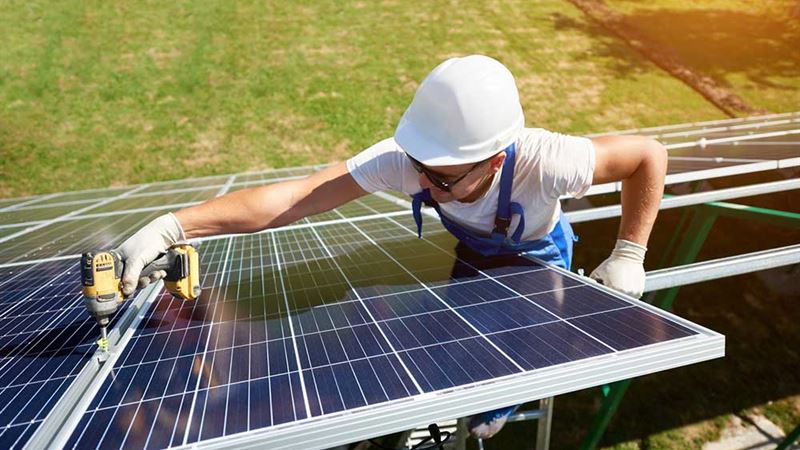
Embarking on a solar installation project involves several key steps. Begin by using online solar calculators to estimate the system size suitable for your household. Gather quotes from multiple approved installers—preferably those certified under the Microgeneration Certification Scheme (MCS). Comparing bids helps ensure competitive pricing and quality. Once you've chosen a provider, schedule the installation date. On the designated day, the installer will set up scaffolding, mount the panels, connect the inverter, and integrate the system with your home’s electrical network. Post-installation, they will perform system checks and provide a comprehensive briefing to ensure you understand how to monitor and optimize performance.
With proper planning and professional support, transitioning to solar energy can be seamless, leading to long-term savings, environmental benefits, and energy independence. Each step from assessment to maintenance guarantees a smooth journey towards greener living.