
Comprehensive Guide to Essential Vitamins and Supplements for Optimal Health
This comprehensive article explores the vital roles of essential vitamins and supplements in maintaining health. It covers sources, recommended dosages, and safety tips to help readers make informed nutritional decisions. Understanding the differences between natural vitamins and manufactured supplements, as well as precautions, is key to optimizing well-being and preventing deficiencies. This guide is perfect for anyone looking to enhance their diet with knowledge about nutrition, supplement selection, and safe practices for a healthier lifestyle.
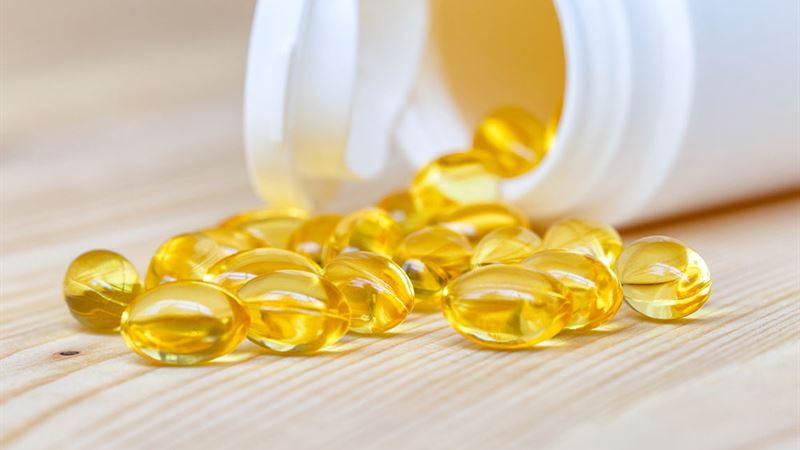
- Understanding the vital roles of vitamins and supplements in maintaining overall health
Vitamins and supplements play a crucial part in supporting bodily functions, preventing deficiencies, and promoting overall wellness. While vitamins are naturally occurring organic compounds found in various foods, supplements are manufactured products designed to supplement the diet. Both are integral in maintaining optimal health, especially when dietary intake is insufficient. However, the choice of which supplements to take and understanding their functions requires knowledge of their sources, benefits, and potential risks.
Below is an in-depth look at the major vitamins, their roles, sources, daily recommended intake, and how supplements can help meet nutritional needs. This comprehensive guide aims to equip you with the information necessary to make informed decisions regarding your health and supplement intake.
Key Vitamins and Their Functions
Vitamins are classified into water-soluble and fat-soluble categories, each playing unique roles in the body. Understanding these distinctions is essential for proper intake and supplementation.
Vitamin A: The Sight Keeper
Vitamin A is a fat-soluble vitamin vital for maintaining healthy vision, skin, and immune function. Deficiency can lead to night blindness and increase susceptibility to infections. The primary source includes liver, carrots, sweet potatoes, and leafy greens. The Recommended Dietary Allowance (RDA) for adults is approximately 700 micrograms (mcg) per day. Ensuring adequate intake through diet or supplements can prevent deficiency-related issues, especially in populations with limited access to vitamin A-rich foods.
Vitamin B Complex Series: The Energy Boosters
The B vitamins are a group of water-soluble vitamins essential for energy production, nerve function, and red blood cell formation. These include:
- Vitamin B1 (Thiamine): Supports carbohydrate metabolism. Sources include cereals, beans, and nuts. Deficiency can cause beriberi, characterized by nerve and heart issues. AI: 1.1 mg/day.
- Vitamin B2 (Riboflavin): Important for energy production and cellular function. Found in dairy, eggs, and green vegetables. Deficiency may cause inflammation of the lips and mouth fissures. AI: 1.1 mg/day.
- Vitamin B3 (Niacin): Supports skin health, energy metabolism, and nervous system. Rich sources are poultry, fish, and whole grains. Deficiency results in Pellagra, with symptoms like dermatitis and diarrhea. AI: 14 mg/day.
- Vitamin B5 (Pantothenic Acid): Facilitates energy production and hormone synthesis. Present in whole grains, eggs, and avocados. Deficiency can lead to fatigue and neurological symptoms. AI: 5 mg/day.
- Vitamin B6 (Pyridoxine): Crucial for amino acid metabolism and red blood cell production. Found in bananas, poultry, and legumes. Its deficiency can cause anemia and nerve issues. AI: 1.3 mg/day.
- Vitamin B7 (Biotin): Essential for keratin synthesis and carbohydrate, fat, and protein metabolism. Sources include nuts, eggs, and vegetables like spinach. Deficiency may cause dermatitis and hair loss. AI: 30 mcg/day.
- Vitamin B9 (Folic Acid): Vital for DNA synthesis and fetal development. Found in leafy greens, seeds, and fortified grains. Pregnant women need increased intake to prevent neural tube defects. AI: 400 mcg/day.
- Vitamin B12 (Cyanocobalamin): Important for nervous system health and blood cell formation. Present in dairy, eggs, and fortified cereals. Deficiency can cause neurological issues and anemia. AI: 2.4 mcg/day.
Vitamin C: The Immunity Booster
This water-soluble vitamin is abundant in fruits like oranges, strawberries, and vegetables such as bell peppers. It plays a key role in collagen synthesis, wound healing, and immune system support. Inadequate vitamin C intake can delay wound healing and cause scurvy. The daily AI is 75 mg. Supplements can be beneficial during illness or when dietary intake is insufficient.
Vitamin D: The Bone Strengthener
Vitamin D is a fat-soluble vitamin essential for calcium absorption and bone mineralization. Insufficient levels can lead to rickets in children and osteomalacia in adults. The best source is sunlight exposure, but dietary sources include fatty fish, fortified dairy, and cereals. The recommended daily intake is 15 mcg. Supplements are often necessary in regions with limited sunlight.
Vitamin E: The Antioxidant
This fat-soluble vitamin helps fight oxidative stress and protect cells from damage. Nuts, seeds, and leafy greens are rich sources. Deficiency can lead to hemolytic anemia, especially in infants. The AI is 15 mg daily. Supplementation may be recommended for individuals with deficiencies or certain health conditions.
Vitamin K: The Clotting Factor
Vitamin K is crucial for blood clotting and bone health. It is present in leafy greens, figs, and parsley. Deficiency can cause bleeding disorders. The AI is 90 mcg daily. Supplements are used in specific medical circumstances, such as anticoagulant therapy management.
Understanding Supplements and Their Role
Supplements are products manufactured to provide nutrients that may be missing or insufficient in an individual's diet. They come in various forms such as pills, powders, liquids, and gummies. Unlike vitamins, they are not naturally occurring food components but are designed to augment dietary intake. The primary purpose is to prevent deficiencies, support recovery from illness, or improve overall health.
Differences Between Vitamins and Supplements
- Vitamins are natural organic compounds found in foods, while supplements are manufactured, either synthetically or from natural sources.
- Vitamins are essential components of a balanced diet, whereas supplements are additional and optional, used to fill nutritional gaps.
- There are 13 recognized vitamins, but supplements encompass a vast array of other biomolecules, including minerals, amino acids, and herbal extracts.
- Vitamins generally serve as co-enzymes or cofactors in metabolic processes, while supplements can enhance energy, immune function, or athletic performance.
Risks and Precautions When Using Supplements
Overconsumption of vitamins and supplements can lead to adverse effects, such as toxicity or interference with medications. For instance, excessive vitamin A can cause dizziness and liver damage, while too much vitamin D can result in calcium buildup. It is crucial to follow recommended daily allowances and consult healthcare professionals before beginning supplement regimens—especially for pregnant women, the elderly, or those with health conditions.
Guidelines for Choosing the Right Supplements
Selecting suitable supplements involves careful consideration:
- Consult with healthcare providers: Always seek medical advice before starting any supplement.
- Assess your nutritional needs: Consider age, health status, dietary intake, and lifestyle factors.
- Read labels thoroughly: Check ingredient lists and ensure it aligns with your dietary requirements.
- Verify regulatory approval: Purchase products that have been tested and approved by recognized authorities to ensure safety and efficacy.
- Monitor consumption: Do not exceed the recommended daily dose, as more isn't necessarily better and can be harmful.
In conclusion, understanding the importance, sources, and proper use of vitamins and supplements is fundamental to maintaining good health. Proper supplementation, under professional guidance, can help prevent deficiencies and support optimal body functioning, contributing to a healthier, more energetic life.