
Unveiling the Truth Behind the Paleo Diet: Common Myths Debunked
Discover the truths behind the Paleo diet by debunking common myths and misconceptions. This guide provides detailed insights into its nutritional balance, cost-effectiveness, food choices, and safety, making it easier for you to understand and adopt this healthy lifestyle.
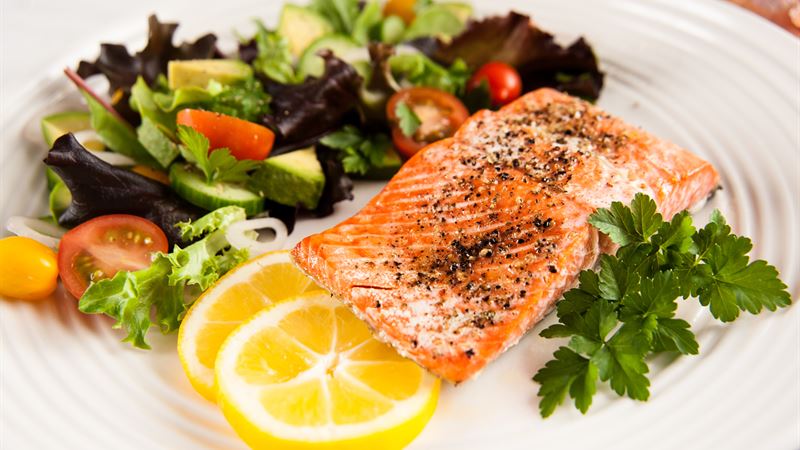
The Paleo diet, also known as the Paleolithic diet, emphasizes consuming foods that our ancient ancestors ate during the Paleolithic era. Advocates argue that returning to these nutritional principles aligns our diet more closely with human evolution, promoting better health and vitality. Despite its popularity, misunderstandings about what the Paleo diet entails have led to myths that can deter people from trying it or cause misconceptions about its safety, sustainability, and practicality.
Is the Paleo Diet merely a low-carb fad with temporary appeal?
- The misconception that the Paleo diet is just another fleeting low-carb regimen is widespread. While it is true that reducing refined carbs and processed foods is a component of the diet, it is far more comprehensive. The Paleo approach emphasizes nutrient-dense, whole foods that naturally contain complex carbohydrates.
- Foods such as sweet potatoes, seasonal fruits, winter squash, and various root vegetables form an integral part of the diet, providing essential complex carbs that fuel energy and support overall health. These carbohydrate sources make the diet sustainable and enjoyable for long-term adherence, countering the idea that it’s solely a low-carb plan.
- Furthermore, the Paleo diet promotes a balanced intake of fats and proteins, making it a well-rounded nutritional strategy rather than a simplistic low-carb fad.
Will abstaining from dairy compromise my calcium intake?
- A common concern is whether avoiding dairy products will lead to calcium deficiency. The myth persists because dairy is widely associated with calcium, a vital mineral for bone health. However, during the Paleolithic era, dairy consumption was minimal, indicating that our ancestors obtained calcium through other dietary sources.
- In modern times, numerous plant-based foods and nuts offer rich calcium sources. Leafy greens like kale, collard greens, and Swiss chard, along with almonds and sesame seeds, contain high levels of calcium that support bone strength and metabolic functions.
- Therefore, you can maintain healthy calcium levels without dairy, provided you incorporate these alternative sources into your diet. Supplementation might be necessary for some individuals, but it’s certainly not obligatory.
Is the Paleo diet primarily protein-focused, risking kidney health?
- Another myth is that the Paleo diet's high protein content could overload the kidneys and cause health issues. In reality, the diet relies heavily on vegetables, nuts, seeds, and lean meats, which provide a balanced nutrient profile. Carbohydrates are also a significant component, making up approximately 60-70% of the diet.
- Multiple studies have examined the impact of high-protein diets, revealing that healthy individuals do not experience kidney problems solely from increased protein intake. Those with pre-existing kidney conditions should exercise caution and consult healthcare providers before adopting a high-protein regimen.
- Overall, the Paleo diet, when followed correctly, does not pose a threat to kidney health and can be a safe and effective nutritional plan.
Does adopting the Paleo diet mean high expenses for food?
- The misconception that a Paleo lifestyle is costly is understandable but often inaccurate. When eliminating processed foods, fast foods, and packaged snacks, expenses can actually decrease, as you'll be cooking more at home and focusing on whole, fresh ingredients.
- Replacing processed convenience foods with seasonal fruits, vegetables, lean meats, and nuts can be budget-friendly, especially when buying in bulk or seasonal produce.
- Long-term savings are also notable in reduced healthcare costs. Eating healthily reduces the risk of chronic diseases, meaning lower medical bills over time.
Can I indulge in my favorite dishes on a Paleo diet?
- This myth has some truth but is largely a misconception. As the Paleo diet becomes more popular, a variety of healthy substitutes for common comfort foods have appeared in markets and recipes.
- With mindful portion control and ingredient swaps, you can enjoy paleo-friendly versions of cakes, waffles, bread, and even pancakes. For example, using almond flour instead of wheat or sweetening with natural alternatives like honey or mashed bananas keeps the dishes compliant with Paleo guidelines.
- Substituting traditional ingredients with healthier options allows you to savor familiar flavors without compromising your dietary goals.
Many people believe that planning and maintaining a Paleo diet can be too time-consuming or complicated. The truth is, like any lifestyle change, it requires some initial effort and adjustment. Preparing fresh, minimally processed meals encourages the development of new cooking skills and culinary creativity. Over time, these habits become easier and more intuitive, making the lifestyle sustainable and enjoyable. Embracing a Paleo diet is not only about food choices but also about adopting a holistic approach to health—focused on natural, unprocessed foods, mindful eating, and balanced nutrition. With preparation and enthusiasm, anyone can successfully integrate Paleo principles into everyday life, promoting better health, energy, and overall well-being.