
Comprehensive Guide to the Paleo Diet and Meal Planning Strategies
Explore the comprehensive guide to the Paleo diet, including what to eat, what to avoid, sample meal plans, benefits, and potential risks. Learn how returning to ancient eating habits can improve your health and well-being with practical tips and expert insights.
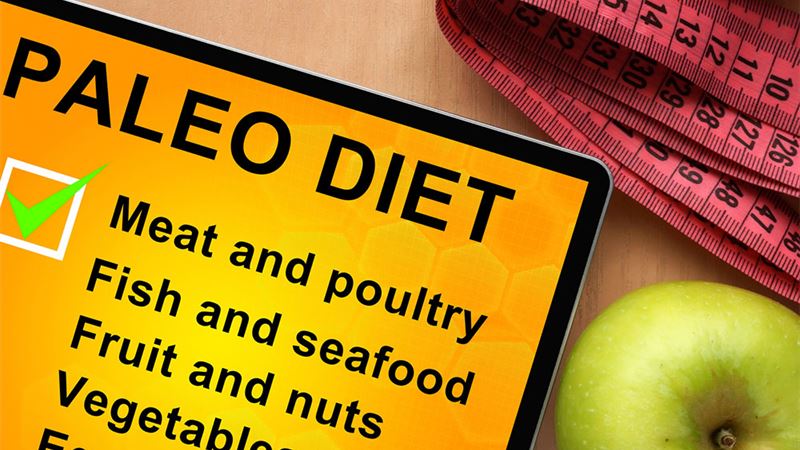
The core idea behind the Paleo diet is to return to the dietary habits of early humans, emphasizing foods available during the Paleolithic era. These include a diverse range of nutrient-rich foods gathered or hunted in prehistoric times. Since there was no agriculture or domesticated animals, the diet consisted predominantly of meats, fruits, vegetables, nuts, and seeds, with an emphasis on natural sources free of modern additives and preservatives. This approach supports metabolic health, reduces inflammation, and promotes overall well-being.
What Can You Eat on a Paleo Meal Plan
The Paleo diet doesn't prescribe a one-size-fits-all meal plan; instead, it reflects the varied diets of ancient peoples. Paleolithic humans were opportunistic eaters, consuming whatever was locally available, which resulted in a wide spectrum of dietary patterns. Some groups relied heavily on animal protein, leading to high-fat, low-carb diets, while others subsisted mainly on plant-based foods, resulting in higher carbohydrate intake.
Nevertheless, a typical Paleo meal plan generally includes the following foods:
- Vegetables such as spinach, kale, broccoli, carrots, cucumbers, beets, and asparagus—rich in vitamins, minerals, and fiber.
- Fruits including apples, bananas, berries, oranges, pomegranates, and avocados—valuable sources of antioxidants, healthy fats, and natural sugars.
- Nuts and seeds like walnuts, almonds, pistachios, chia seeds, flaxseeds, and pumpkin seeds—packed with healthy fats, protein, and fiber.
- Meat varieties such as beef, pork, lamb, bison, and venison—preferably grass-fed for optimal nutrient profile.
- Lean poultry options like chicken, turkey, duck, and quail—additional sources of high-quality protein.
- Seafood including salmon, tuna, mackerel, shrimp, crab, lobster, and clams—rich in omega-3 fatty acids and essential nutrients.
- Herbs and spices like basil, ginger, turmeric, thyme, salt, and black pepper—used to flavor foods naturally and enhance health benefits.
- Healthy oils including olive oil, flaxseed oil, and walnut oil—ideal for cooking and dressings.
- Dark chocolate with at least 70% cocoa—used sparingly as a treat, offering antioxidants and mood-enhancing effects.
Foods to Avoid on a Paleo Diet
The Paleo lifestyle discourages foods that were absent in early human diets or are highly processed. These exclusions help minimize intake of harmful additives, refined sugars, and certain fats linked to chronic diseases. Foods to steer clear of include:
- Sugary foods and beverages such as candies, pastries, cakes, ice creams, soft drinks, and fruit juices—due to their high sugar content and minimal nutritional value.
- Grains like wheat, rye, rice, barley, oats, and other cereal crops—avoiding these helps reduce refined carbohydrate intake and potential gluten sensitivities.
- Dairy products such as milk, cheese, yogurt, butter, and cottage cheese—excluded because dairy was not part of the Paleolithic diet.
- Legumes including beans, peas, lentils, peanuts, and soy—limiting these as they contain antinutrients and lectins that might impair digestion.
- Highly processed and fatty foods like French fries, fried chicken, margarine, and donuts—sources of trans fats and excess calories.
- Processed meats including bacon, deli meats, and hot dogs—often high in preservatives, sodium, and unhealthy fats.
- Artificial sweeteners such as aspartame and sucralose—avoiding synthetic additives to maintain natural food integrity.
Sample Day in a Paleo Lifestyle
For those starting Out or considering a Paleo challenge, understanding a typical day's meal can be very motivating. A balanced Paleo day might look like this:
- Breakfast: Eggs cooked in coconut oil, paired with turkey bacon, fresh berries, and black coffee—caffeine is generally acceptable in moderation within Paleo guidelines.
- Lunch: Basil and avocado chicken salad made with grilled chicken, mixed greens, and olive oil-based dressing.
- Snacks: Fresh fruit such as oranges or bananas, crunchy carrot or celery sticks, or a handful of nuts.
- Dinner: Grilled steak seasoned with herbs, a baked sweet potato drizzled with olive oil, and steamed asparagus.
Hydration and activity are pivotal components of the Paleo lifestyle. Drinking sufficient water, herbal teas, and engaging in regular physical activity complement dietary changes for better health outcomes.
Advantages of Adopting a Paleo Meal Plan
Numerous scientific investigations highlight the benefits of the Paleo diet. Implementing this eating style has been associated with numerous positive health markers such as weight loss, improved insulin sensitivity, and cardiovascular health. Key benefits include:
- Reduced calorie intake naturally through eating whole foods, which can support weight management.
- Enhanced blood sugar regulation, helping to prevent or manage type 2 diabetes.
- Lowered blood pressure levels and improved lipid profiles, including increased HDL cholesterol and decreased triglycerides.
- Decreased systemic inflammation, which is linked to a host of chronic illnesses.
- Better appetite control, leading to fewer unhealthy snacking and overeating episodes.
Eliminating processed foods and trans fats, which are common in modern diets, significantly reduces the risk of heart disease, stroke, certain cancers, and metabolic syndrome. Additionally, consuming more fruits, vegetables, nuts, and seeds boosts dietary fiber, crucial for digestive health and maintaining a healthy inflammatory response.
Potential Risks and Considerations
Despite its benefits, the Paleo diet isn't suited for everyone and carries some potential risks if not properly managed. Awareness of these factors is essential before adopting a Paleo lifestyle:
- Reduced carbohydrate intake might lead to decreased energy, fatigue, and difficulty concentrating, especially during initial transition phases.
- The elimination of dairy can result in insufficient calcium and vitamin D levels, which are vital for bone health—supplementation might be necessary.
- A focus on red meats and processed meats can increase saturated fat consumption. Excessive intake might elevate the risk of cardiovascular disease, kidney problems, or certain cancers.
- Social and cultural factors may pose challenges, as adhering strictly to Paleo might limit participation in traditional meals and events.
- Potential nutrient deficiencies require careful planning to ensure all micronutrient needs are met through varied food choices or supplements.
It’s recommended to consult healthcare professionals or registered dietitians before making significant dietary changes, particularly for individuals with existing health conditions or nutritional concerns.
In conclusion, the Paleo diet offers a natural, sustainable approach to eating that emphasizes whole foods and minimizes processed ingredients. While it supports metabolic health and weight management, mindful planning and professional guidance are advised to ensure nutritional adequacy and long-term success.