
Comprehensive Guide to Adopting a Paleolithic-Inspired Nutrition Plan
Discover a detailed guide to adopting the Paleo diet, emphasizing unprocessed, natural foods aligned with our ancient ancestors' eating habits. Learn about what to eat, what to avoid, meal planning tips, and how this lifestyle can boost health, enhance vitality, and promote weight management. This comprehensive article covers the principles, food choices, practical strategies, and benefits of embracing a Paleolithic-inspired diet for sustainable wellness.
Introduction to Paleolithic-Inspired Diets
The concept of a diet rooted in the eating habits of our ancient ancestors has gained significant popularity in recent years. The Paleolithic or Paleo diet emphasizes consuming foods that were available during the Stone Age, focusing on natural, unprocessed, and nutrient-rich options. While some individuals adopt it strictly, others customize it to suit their preferences and lifestyle. Understanding the origins, principles, and practical application of this diet can help you make informed decisions about your health and nutrition.
Historical Background and Evolution
Ancient humans relied solely on hunting, gathering, and foraging for their sustenance. Their diets consisted mainly of wild animals, fish, fruits, vegetables, nuts, and seeds. The transition to agriculture introduced grains, dairy, and processed foods into diets over the millennia, leading to modern dietary challenges such as obesity and chronic diseases. The Paleo diet seeks to mimic the eating patterns of early humans, emphasizing whole foods and eliminating modern processed items.
Fundamental Principles of the Paleo Diet
The core idea behind Paleo nutrition is to focus on foods that are minimally processed and as close to their natural state as possible. This involves understanding what foods are encouraged and which should be avoided to align with the diet's philosophy.
- Foods to Emphasize
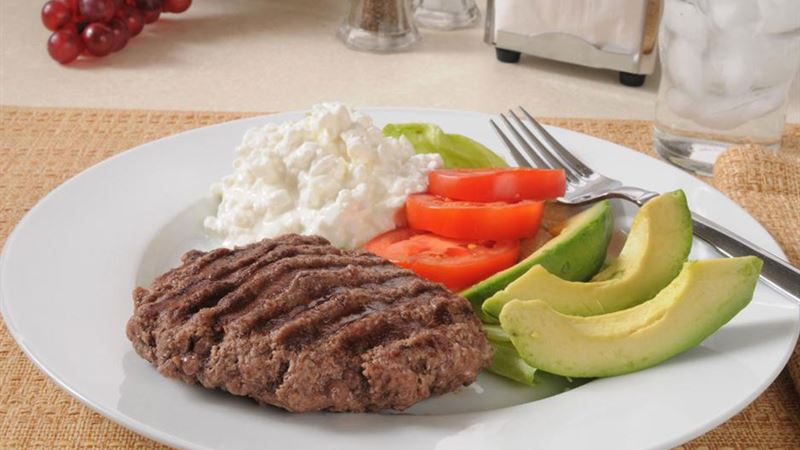
Eating plenty of high-quality proteins from animal sources such as grass-fed beef, free-range poultry, wild-caught fish and shellfish forms the foundation. Incorporating a variety of fresh vegetables and fruits provides essential vitamins and antioxidants. Healthy fats from sources like nuts, seeds, avocados, and coconut oil are recommended, while organic eggs are also an excellent addition.
Processed foods, refined sugars, artificial sweeteners, grains, legumes, dairy, vegetable oils, and alcohol are strictly prohibited on the diet. These items are considered incompatible with our evolutionary biology and can contribute to inflammation and metabolic issues.
Essential Food Choices for Paleo Practitioners
Adopting a Paleo lifestyle requires a clear understanding of what foods are compatible. Here is a detailed list to guide your shopping and meal planning:
- Meat and Poultry
Opt for pasture-raised, grass-fed beef, lamb, pork, turkey, mutton, and free-range chicken. These sources tend to be leaner and contain higher levels of omega-3 fatty acids, which support heart health and brain function.
Choose wild-caught options such as salmon, trout, herring, shellfish, and shrimp. Wild seafood typically contains more nutrients and fewer contaminants than farmed varieties.
Prefer eggs from pastured hens or those enriched with omega-3s. They are versatile and rich in high-quality protein and nutrients.
There are no restrictions here—consume a broad array, including kale, spinach, peppers, onions, carrots, gourds, pumpkins, tomatoes, and chilies. Fruits like berries, apples, bananas, oranges, plums, and avocados are excellent choices, providing natural sweetness and vital nutrients.
Sweet potatoes, yams, turnips, and regular potatoes are acceptable in moderation. They are good sources of complex carbohydrates and fiber.
Enjoy almonds, walnuts, sunflower seeds, pumpkin seeds, macadamia nuts, and other unsalted, unroasted seeds and nuts—ideal for snacking or adding to meals.
Use olive oil, avocado oil, coconut oil, and extra virgin olive oil to cook and dress salads. These fats support cardiovascular health and provide essential fatty acids.
Add ginger, garlic, rosemary, turmeric, Himalayan salt, or sea salt to your dishes to boost flavor naturally without relying on processed seasonings.
Supplements to Consider
While the Paleo diet emphasizes food choices, some individuals may supplement their intake with vitamin D, omega-3s, or other nutrients to fill potential gaps, especially if dietary restrictions limit certain food groups.
Flexibility and Occasional Indulgences
Most adherents allow themselves small quantities of red wine or dark chocolate weekly, acknowledging the importance of sustainability and enjoyment in maintaining long-term dietary habits. These can be incorporated mindfully to support overall well-being.
Practical Tips for Success
Transitioning to a Paleo lifestyle involves more than just food choices. Staying informed and cautious about packaged foods is essential. Always read ingredient labels thoroughly; if a product is factory-processed, it likely contains additives or ingredients incompatible with Paleo principles. When shopping, prioritize fresh, whole foods over pre-packaged options to avoid hidden sugars and preservatives.
Meal Planning and Preparation
Plan your weekly meals around fresh meats, seafood, vegetables, fruits, nuts, and healthy oils. Batch cooking can save time and ensure compliance. Embrace cooking techniques like roasting, grilling, steaming, and sautéing to flavor your dishes naturally.
Sample Paleo Meal Ideas
For breakfast, try scrambled eggs with spinach and tomatoes, or a smoothie made with berries, avocado, and coconut milk. Lunch options include grilled chicken salads with mixed greens and olive oil dressing, or seafood stir-fries with assorted vegetables. Dinners can feature roasted salmon with sweet potatoes and steamed broccoli, or stir-fried beef with peppers and onions.
Addressing Common Challenges
One common obstacle is dining out or encountering processed foods. Always inquire about ingredients and opt for dishes featuring fresh ingredients prepared simply. Additionally, social situations can be navigated by bringing Paleo-friendly snacks and communicating your dietary preferences.
Conclusion and Benefits
Adopting a Paleo diet can promote weight loss, improve metabolic health, reduce inflammation, and boost overall vitality. While it requires commitment and mindfulness, the rewards include a richer connection to natural, wholesome foods and a healthier lifestyle aligned with human evolutionary biology.