
Comprehensive Guide to Tennis Elbow Braces: When and How to Choose the Right Support
This comprehensive guide explores different types of tennis elbow braces, their proper usage, and how to select the right support for effective recovery. Learn about epicondylitis clasps, straps, and sleeves, along with expert tips for maximum benefit. Discover how proper bracing can reduce pain, prevent worsening of injury, and promote healing, whether you are an athlete or dealing with everyday strain. This article emphasizes the importance of consultation with healthcare professionals to ensure the correct support and optimal recovery.
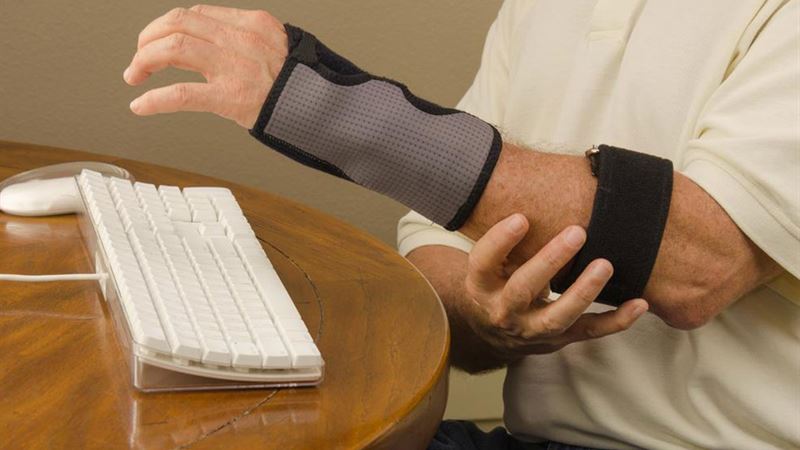
Understanding the complexities of tennis elbow and the importance of proper support can significantly influence recovery. Tennis elbow braces are designed in various types to cater to different needs, from immediate pain relief to targeted support for athletes. In this extensive guide, we delve deep into the various kinds of braces, their mechanisms, advantages, disadvantages, and guidelines on how to choose and properly wear them for optimal healing and performance. Whether you're an athlete, a working professional, or recovering from injury, knowing when and what type of brace to use is essential for effective management and quick recovery.
What is Tennis Elbow and Why Support Matters
Tennis elbow, medically known as lateral epicondylitis, is a common overuse injury characterized by pain and inflammation around the outer part of the elbow. It results from repetitive motions, excessive strain, or improper technique during activities such as tennis, other racquet sports, manual labor, or even computer work. The condition affects the tendons that attach the forearm muscles to the lateral epicondyle of the elbow, leading to pain, weakness, and limited mobility. Proper support through braces can reduce strain, alleviate symptoms, and facilitate natural healing.
Significance of Correct Bracing
Using an appropriate brace not only alleviates pain but also helps prevent further injury by limiting excessive motion and providing stability during activities. Correct usage can promote healing by reducing stress on the affected tendons and muscles, boosting confidence during movement, and minimizing the risk of aggravating the injury.
Types of Tennis Elbow Supports: An In-Depth Look
- Epicondylitis Clasp (Counterforce Brace)
This specialized brace is designed to be precisely fitted around the forearm, just below the elbow. It's often made of flexible, durable material with adjustable clasps and support pads. Proper fitting is crucial for effectiveness. The brace applies pressure to the forearm muscle belly, which reduces tension on the inflamed tendons at the lateral epicondyle. This targeted support diverts forces away from the damaged area and alleviates pain during activity and rest.
Advantages of this brace include its ability to directly target the affected area, making it highly effective for athletes or individuals needing precise support. Fitness professionals and tennis players often prefer this because of its customization options. However, achieving the perfect fit can be tricky, and improper application might diminish its benefits or cause discomfort.
For best results, professional guidance during fitting is recommended. Wearing the clasp too tight can restrict blood flow, whereas too loose a fit may render it ineffective. Regular adjustments may be necessary to maintain optimal pressure.
- Tennis Elbow Strap (Counterpressure Band)
This versatile support ranges from simple compression straps to more elaborate wraps with padding. They are typically worn around the forearm, just below the elbow, or directly over the point of maximum pain. Some designs include additional pressure pads that can be positioned to provide extra compression to specific spots below the painful area.
Mechanically, these straps work by distributing forces across the soft tissues of the forearm, thereby reducing the load on the affected tendons. By changing the angles at which muscles and tendons operate, they give the injured tissue a chance to recover without the added stress of everyday activities.
One of the main benefits of these straps is their affordability and accessibility—most can be purchased over the counter at drugstores or sporting goods shops. They are easy to adjust and can cater to different levels of compression, providing a customizable support experience. Nonetheless, they may lack the precision of dedicated clasp supports and generally do not provide significant heat retention, which can help in reducing stiffness or promoting blood flow.
- Tennis Elbow Sleeve
This support is a simple sleeve, typically made of elastic or neoprene material, that fits snugly over the entire elbow joint. Often combined with adjustable straps, the sleeve provides both warmth and gentle compression. It is especially helpful for recent injuries or temporary pain, offering overall joint support rather than targeting a specific spot.
The main advantage of this sleeve is its ability to keep the entire elbow warm, which can reduce stiffness, improve blood circulation, and relieve discomfort. It is especially popular among those who prefer a less invasive and more comfortable support option. However, since it applies uniform pressure, it may be a bit tight or uncomfortable for some, and it doesn’t allow for precise targeting of the pain point.
Guidelines for Proper Usage of Tennis Elbow Braces
Correctly wearing and positioning your brace is vital to maximize its benefits. To do this:
- Measure the widest part of your forearm accurately to select the appropriate size.
- Position the brace just below the affected area, ensuring it applies consistent pressure without constricting blood flow.
- Wear your brace during activities that may exacerbate pain or during sports, work, or physical therapy exercises.
- Always follow manufacturer instructions regarding tightness and duration of wear.
Consistent use during activity can significantly reduce pain, improve grip, and boost overall arm strength over time. Remember, support alone is not a cure; combining bracing with rest, physiotherapy, and proper technique is essential for recovery.
When Support May Not Be Enough: Recognizing Serious Conditions
If your pain persists despite using braces or if you experience symptoms like severe swelling, numbness, or instability, consult a healthcare professional promptly. Potential reasons include:
- The injury may be more severe than initially thought, such as a partial tear or fracture.
- The diagnosis might be different, such as it being a different elbow pathology.
- You may be using the support incorrectly or not wearing it as recommended.
Seeking medical advice ensures a proper diagnosis, which is critical for effective treatment. Imaging tests such as MRI or ultrasound may be necessary to determine the severity and nature of the injury.
Benefits of Using the Correct Tennis Elbow Support
Proper braces help in several ways:
- Reduce pain and inflammation through compression and stabilization.
- Allow early movement without causing further damage, promoting quicker recovery.
- Improve overall functionality, enabling you to perform daily activities or sports with less discomfort.
- Prevent the progression of the injury to more severe conditions.
Choosing the right support depends heavily on the injury's severity, location of pain, and individual comfort. Always consult a healthcare provider or physiotherapist to determine the best type of brace suited for your specific needs. Avoid self-prescription or impulse buying, as improper support can worsen the condition or lead to chronic issues.
In conclusion, investing in a suitable tennis elbow brace, wearing it correctly, and combining it with professional guidance can significantly enhance recovery outcomes. Remember, patience and proper technique are key to overcoming tennis elbow effectively and returning to active, pain-free living.