
Comprehensive Guide to Selecting the Perfect Tennis Elbow Support for Pain Relief and Recovery
Discover an in-depth guide on choosing the best tennis elbow braces to aid recovery effectively. Learn about different types of supports, key factors for selection, and preventive tips to keep your elbows healthy. Find out how the right brace can alleviate pain, prevent further injury, and support your active lifestyle. This comprehensive article covers everything you need to know for optimal elbow health and recovery.
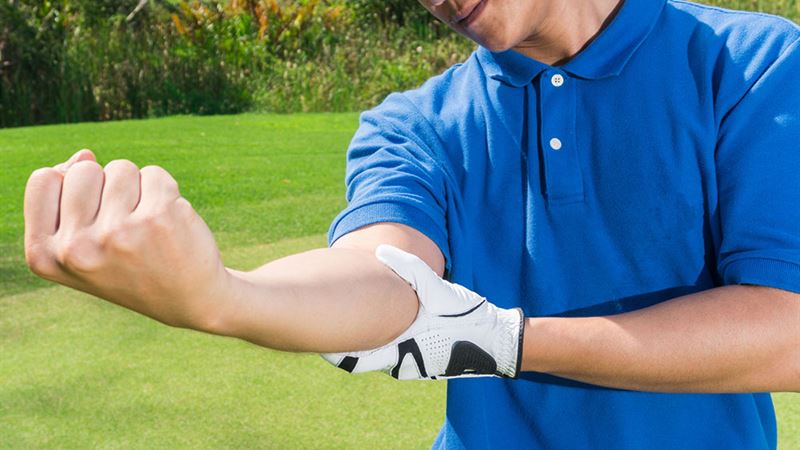
Tennis elbow, medically known as lateral epicondylitis, is a common condition that causes pain and soreness around the outer part of the elbow. It often arises from repetitive motions, especially in activities that involve gripping, lifting, or frequent arm movements, such as tennis, other racquet sports, manual labor, or even computer work. Managing this condition effectively is crucial to prevent long-term damage and ensure a speedy recovery. Aside from physiotherapy, rest, and medication, one of the most effective complementary treatments is using specially designed elbow braces. Proper support can significantly aid in pain alleviation and tissue healing.
Understanding Tennis Elbow Braces and Their Role in Recovery
Elbow braces designated for tennis elbow are specialized support devices engineered to shield the affected tendons during the healing process. These braces work by providing compression and stabilization to the elbow joint, reducing strain during daily movements and physical activity. They typically apply gentle pressure around the forearm to restrict excessive motion, helping to diminish inflammation and promote tissue repair. The primary benefit of such braces is their ability to absorb and redistribute forces that travel through soft tissues, alleviating stress on the injured tendons. This stabilization minimizes the risk of further injury and accelerates recovery.
Wearing a well-fitted tennis elbow brace during activities allows individuals to continue their daily routines with less discomfort. It's essential to ensure the brace fits snugly but not tightly enough to cause discomfort or impede circulation. Proper application and fit can make a substantial difference in treatment outcomes.
Key Factors to Consider When Choosing Tennis Elbow Braces
With the diversity of elbow support options available on the market, selecting the most suitable brace for your needs can seem overwhelming. To make an informed decision, consider the following critical factors:
- Material quality and durability - High-quality materials ensure longevity, breathability, and comfort. Look for braces made of flexible, skin-friendly fabrics that allow moisture wicking and air circulation. Reading customer reviews and seeking professional advice can help you identify reliable products.
- Intended purpose of the brace - Determine whether you need support to prevent injury during activity, aid recovery from an existing injury, or provide ongoing stabilization. For example, adjustable straps may be ideal for targeting specific areas, while elastomeric compression sleeves can offer general support and pain relief.
- Proper fit and sizing - Correct sizing is vital for effectiveness. Measure the widest part of your forearm, typically near the elbow crease, with your arm relaxed. Select a brace that offers size options aligning with your measurements. Many brands recommend straps around 3-5 centimeters wide to ensure support without restricting movement.
- Additional features and customization - Some braces come with extra straps, gel packs, or adjustable fasteners to enhance comfort and fit. Such features can be beneficial during long hours of wear or intense activity.
- Ease of maintenance - Choose braces made from washable, durable fabrics. Avoid products that require delicate care or are prone to wear and tear from frequent washing. Fasteners like hook-and-loop closures tend to be more secure and easier to use than traditional velcro straps.
Varieties of Tennis Elbow Supports Available
The market offers a wide array of support devices tailored to different needs and preferences. Some of the most popular types include:
- Tennis elbow straps - Compact and straightforward, these straps wrap around the forearm just below the elbow. They exert localized compression, reducing stress on the inflamed tendons. They are inexpensive, easy to wear, and ideal for mild to moderate pain, especially during daily activities. However, they may not provide sufficient support for severe cases or during high-impact sports.
- Tennis elbow sleeves - These are sleeve-like supports that cover the entire elbow joint and part of the upper arm and forearm. Made from elastic, breathable fabric, they offer uniform compression and support to all surrounding muscles. Sleeves are recommended for individuals at high risk of developing tennis elbow or those with chronic pain seeking ongoing relief and protection. They are comfortable for extended wear and can be worn during sports and work activities.
- Epicondylitis braces (clasp supports) - These are specialized devices featuring a plastic clasp or a wide clip that applies precise pressure directly over the tender area. They are often used by athletes engaged in racquet sports or high-impact activities. Known for their accuracy and targeted support, these braces can effectively reduce pain and inflammation. They might be less comfortable for prolonged wear due to their rigid design and tend to be slightly more expensive.
Preventative Measures and Best Practices
Prevention plays a vital role in managing tennis elbow. While braces provide support during activity, adopting preventative practices can significantly lower the risk of injury. Wearing a suitable elbow brace at the first signs of discomfort can help stabilize the arm and prevent worsening of symptoms. Proper technique during sports and lifting activities, regular stretching, and strengthening exercises for the forearm muscles are equally important. Additionally, ensuring ergonomic work setups and taking frequent breaks can reduce repetitive strain. Remember, a brace is supportive but not a cure. Persistent pain or worsening symptoms should prompt consultation with a healthcare professional.
In conclusion, selecting the right tennis elbow support involves understanding your specific needs, choosing high-quality and well-fitting products, and maintaining good injury prevention habits. When used correctly, a proper brace can be a valuable tool in managing pain, supporting healing, and restoring full function of the elbow over time.