
Ultimate Guide to Combating Teeth Discoloration: Causes and Proven Whitening Methods
This comprehensive guide explores the causes of teeth discoloration, from intrinsic and extrinsic factors to age-related changes. It details effective prevention strategies, lifestyle modifications, and various whitening treatments—both professional and natural. Understanding the underlying causes allows for tailored solutions, ensuring brighter, healthier smiles. Whether considering over-the-counter products or professional procedures, this article offers valuable insights into maintaining optimal dental aesthetics. Consistent oral hygiene and regular dental visits are emphasized as essential components of long-term teeth whitening and oral health preservation.
Understanding Intrinsic Tooth Discoloration
Intrinsic discoloration refers to stains that originate within the tooth's internal structure. Unlike surface stains, these are deeply embedded and often resistant to conventional whitening products. They frequently appear as grayish or dull shades, complicating the whitening process. The causes of intrinsic stains are varied and can include:
- Use of specific medications during childhood or adulthood
- Dental trauma or injury causing internal bleeding or damage
- Decay or nutritional deficiencies affecting enamel formation
- Excessive fluoride exposure during tooth development
- Genetic factors influencing enamel density and color
Extrinsic Staining on Tooth Surface
Extrinsic discoloration is primarily a surface concern, affecting the outer layer of teeth known as enamel. These stains often result from lifestyle choices and environmental exposure, making them more amenable to removal through various dental treatments. Common causes include:
- Consumption of staining beverages such as coffee, tea, and red wine
- Frequent intake of pigmented foods like berries and tomato-based sauces
- Use of tobacco products, including smoking cigarettes and chewing tobacco
Aging and Teeth Discoloration
As we age, natural changes in enamel and dentin contribute to tooth color shifts. Wear and thinning of enamel expose the underlying yellowish dentin, leading to a duller and more yellow appearance. Often, aging-related discoloration involves a combination of intrinsic and extrinsic factors, making it a complex issue to address.
Common Causes Behind Tooth Discoloration
Numerous lifestyle and health factors play roles in altering tooth color. From foods and drinks to health conditions and injuries, understanding these causes can help in prevention and treatment planning.
Staining From Tobacco, Beverages, and Diet
Substances that reach the outer enamel layer can cause persistent stains. Notable culprits include:
- Red and white wines, especially reds which contain tannins and chromogens
- Dark chocolates and candies
- Caffeinated beverages like coffee and black tea
- Deep-colored sauces such as soy, tomato, and curry
- Chewing tobacco and cigarette smoking
Clinical studies reveal that smokers tend to have more pronounced staining and are generally less satisfied with their dental appearance. Tobacco's staining effects are often more stubborn and resistant to conventional whitening methods, necessitating targeted dental procedures.
Discoloration from Aging, Medication, and Physical Injury
As the tooth enamel ages, it naturally becomes thinner and more fragile. This process can lead to discoloration that may be further exacerbated by dental trauma, which can cause localized staining or darkening. Some medications, particularly certain antibiotics like tetracycline taken during childhood, are linked with permanent enamel discoloration. If you suspect medication-induced staining, consult your dentist before commencing whitening treatments.
Color-Based Causes of Tooth Stains
The hue of a stain can offer clues about its origin:
- Yellow Discoloration: Often caused by tobacco use, consumption of chromogenic drinks, poor oral hygiene, or high-sugar diets. Chronic dry mouth can also accentuate yellowing.
- Brown Discoloration: Results from prolonged exposure to staining foods or drinks, decay, tartar buildup, or untreated cavities.
- White Spots: Frequently indicative of early decay or fluoride excess (fluorosis). They may develop into darker cavities if untreated.
- Black and Spot Discoloration: Typically caused by advanced decay, amalgam or silver fillings, or iron supplement residues.
- Purple Tint: Usually associated with habitual red wine consumption, imparting a purple hue to the teeth.
Steps to Prevent Teeth Discoloration
Prevention is the best approach to maintain a bright smile. Adopting healthy oral habits can significantly reduce the risk of staining. Here are some effective strategies:
- Maintain Prompt Oral Hygiene: Brush teeth thoroughly after consuming pigmented foods or drinks. If immediate brushing isn't possible, rinse your mouth with water to remove residual particles.
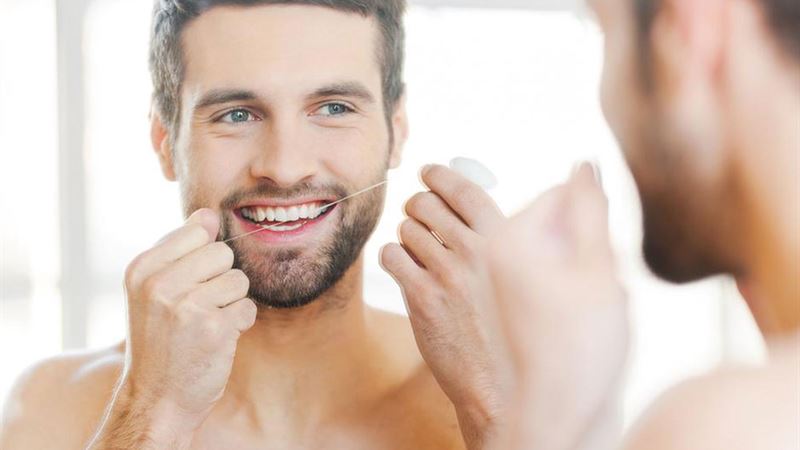
- Adopt Consistent Dental Care: Brush at least three times daily, floss every day, and incorporate mouthwash or whitening toothpaste. Using water flossers can help dislodge stains and plaque from hard-to-reach areas.
- Modify Lifestyle Choices: Quitting smoking and reducing tobacco intake are crucial. Limit or avoid beverages like coffee, tea, and wine. When unavoidable, use a straw to minimize contact or rinse your mouth afterward to reduce staining.
When to Consult a Dentist
If you notice persistent discoloration despite using over-the-counter whitening products, it is essential to seek professional dental advice. Some stains may indicate underlying issues such as enamel demineralization or hidden cavities requiring specific treatments. Surface stains in solitary teeth could be due to trauma or decay and should be promptly examined. Routine biannual dental check-ups can detect potential problems early, preventing complex and costly procedures later.
Available Teeth Whitening Options
Modern dentistry offers a range of whitening solutions suitable for different needs and budgets. The primary goal is to restore the natural brightness of your smile while ensuring safety and effectiveness.
- Whitening Toothpastes: These contain mild abrasives and chemical agents that help lift surface stains. Regular use can gradually improve tooth color. Choose a toothpaste with approved whitening components for best results.
- Gel and Whitening Strips: Peroxide-based gels and thin strips coated with bleaching agents can be applied directly to teeth. Following instructions meticulously ensures optimal results within days to weeks, depending on the severity of discoloration.
- Whitening Mouth Rinses: These rinses contain hydrogen peroxide, which helps reduce plaque and lightens teeth with consistent use over approximately 12 weeks. Use twice daily after brushing to maximize benefits.
- Tray-Based Whitening Systems: Available through dental clinics or over the counter, these involve wearing a custom or generic tray filled with a bleaching gel for several hours daily or overnight. Treatment duration varies from a few weeks to several months based on the desired shade and level of staining.
Natural and Chemical-Free Methods for Teeth Whitening
For those wary of chemicals, natural remedies can also provide whitening effects, though evidence of their efficacy varies. These include:
- Oil Pulling: An ancient technique involving swishing oils like coconut, sesame, or sunflower in the mouth for 15-20 minutes. This process reduces bacteria, diminishes plaque, and can lead to a brighter smile over time.
- Baking Soda: A mild abrasive that can gently scrub surface stains. Regular brushing with baking soda can produce a gradual whitening effect, improving the overall appearance of teeth.
- Apple Cider Vinegar: Used as a diluted mouthwash, it helps kill bacteria due to its acetic acid content. However, its acidity necessitates cautious use to prevent enamel erosion. Limit exposure and rinse thoroughly afterward.
Complementing these methods, maintaining a diet rich in fruits and vegetables, especially crunchy ones like pineapple and strawberries, can naturally help whiten teeth. These foods contain enzymes and acids that support oral health and enhance dental aesthetics.
A sparkling white smile not only boosts your confidence but also reflects good health and personal care. For persistent stains or severe discoloration, consult a dental professional who can recommend tailored whitening treatments. Remember, a combination of good habits and professional guidance is key to achieving and maintaining radiant teeth.