
Innovative Solar Shingle Solutions: Price, Advantages, and Expert Buying Advice
Explore the comprehensive guide on solar shingles, including detailed cost factors, benefits, and purchase tips. Learn how this innovative roofing solution can enhance energy efficiency, reduce bills, and boost property value. Discover financial incentives, installation considerations, and expert advice to make informed decisions for sustainable living.
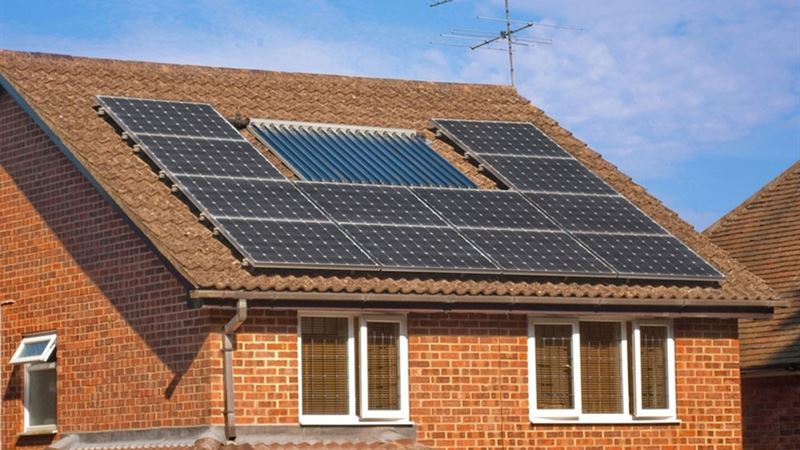
Harnessing solar energy through integrated photovoltaic systems has revolutionized modern roofing. Solar shingles, also known as solar tiles, are discreet, efficient, and designed to blend seamlessly into your home's aesthetic. These innovative roofing options convert sunlight directly into usable electricity, providing a sustainable energy source while boosting property value. This comprehensive guide explores the cost factors, benefits, and essential tips for purchasing solar shingles, helping homeowners make informed decisions to leverage clean energy efficiently.
Solar shingles typically measure about 12 inches wide by 86 inches long and are crafted to integrate effortlessly into roofing structures. On an average-sized residential roof, approximately 350 solar tiles are needed, though this can vary considerably based on roof dimensions, energy requirements, and manufacturer recommendations. The adaptability of solar shingles allows homeowners to retrofit existing roofs or incorporate them into new constructions seamlessly.
Pricing of solar shingles is influenced by various factors, reflecting technological advancements and market demand. The cost of a complete solar roofing system generally ranges from R60,000 to R150,000. Factors such as system size, component quality, and installation intricacies directly impact the overall expense. As the industry grows and innovations emerge, prices tend to fluctuate, offering opportunities for cost-effective upgrades and solutions.
Understanding Price Determinants
The cost of installing solar shingles is subject to multiple variables. External market conditions, raw material prices—including silicon, copper, and aluminum—as well as global supply and demand dynamics, significantly influence prices. Seasonal fluctuations often lead to higher installation costs during peak periods due to increased demand and labor availability. It’s essential for homeowners to consider these aspects when planning their solar projects.
- System Capacity and Size: Larger systems with higher wattage output naturally entail higher initial costs. For instance, a 20 kW system designed to power an entire household will cost more upfront than a smaller 13 kW system. This investment, however, translates into greater energy independence and savings over time.
- System Configuration: Grid-tied setups are usually more affordable, leveraging existing electrical infrastructure, while off-grid systems require additional batteries and backup systems, escalating costs. Off-grid arrangements are ideal for remote locations lacking grid connectivity.
- Inverter Choice: Quality inverters are critical to system performance. Micro-inverters offer benefits like enhanced efficiency in shaded areas and individual panel monitoring but often come at a higher price—ranging from R10,000 to R80,000—depending on features and capacity. For example, the Tesla Solar Roof, equipped with Powerwall batteries, averages about R87,490 for a 12-panel configuration, blending innovation with performance.
- Installation Complexity: Roof design, material, and shading affect installation costs. Flat roofs may require additional mounting hardware, while complexly designed shingles may necessitate advanced installation techniques. Specialized labor and equipment can increase total costs by 20-30%, emphasizing the importance of professional assessments.
Return on Investment and Financial Incentives
While initial expenses for solar shingles may seem substantial, homeowners can expect to recoup their investment within approximately 5 to 8 years through savings on energy bills. Modern systems often include smart monitoring features that provide real-time data on energy production and consumption, empowering users to optimize system performance and maximize savings.
Government incentives, tax rebates, and subsidies are crucial in reducing overall costs. Many regions offer financial assistance programs, green loans, or flexible payment plans designed to make renewable energy more accessible. Take time to research eligible rebates and incentives—these can substantially lower your upfront investment.
Key Benefits of Solar Shingles
- Visually Appealing Design: Solar shingles are manufactured to match traditional roofing materials, maintaining the aesthetic integrity of your home. Their sleek, uniform appearance appeals to modern homeowners seeking sustainable options without compromising style.
- Energy Cost Reduction: By generating electricity on-site, solar shingles significantly decrease reliance on grid power, leading to lower monthly energy bills and budget predictability.
- Durability and Weather Resistance: Designed to withstand extreme weather conditions, including wind, rain, and snow, manufacturers often provide warranties covering specific wind speeds and energy output guarantees, offering peace of mind.
- Flexibility in Application: Compatible with various roofing styles and materials, solar shingles can be installed on most residential structures. They function efficiently even under diffuse and overcast lighting conditions, ensuring power generation during cloudy or rainy days.
Expert Tips for Choosing Solar Shingles
- Evaluate Your Energy Needs: Conduct a thorough assessment of your current electricity consumption to determine the appropriate number of solar shingles needed. This evaluation helps in estimating potential savings and system size requirements.
- Select Appropriate Materials: Different solar tile options exist, from lightweight and flexible variants to more efficient, heavier models. Choose materials that balance efficiency, aesthetics, and budget constraints.
- Seek Professional Guidance: Engage experienced solar contractors for comprehensive roof inspections and energy assessments. A qualified professional can recommend the best system size and configuration, ensuring optimal performance and compliance with local codes.
- Secure Necessary Permits: Local regulations govern solar installations; obtaining permits before installation is essential. Verify all compliance requirements and ensure your installation adheres to safety and environmental standards.
In conclusion, solar shingles offer a groundbreaking way to harness renewable energy while enhancing your home's appearance and value. By understanding cost factors, benefits, and careful selection strategies, homeowners can make confident decisions towards sustainable living. As technology advances and prices become more competitive, solar shingles are poised to become a standard feature in eco-conscious home design.