
Nutritional Strategies and Food Choices to Alleviate Depression Symptoms
Explore a comprehensive guide on foods that support mental health by reducing depression symptoms. Learn how items like avocados, walnuts, berries, and tomatoes can enhance mood, improve neural health, and serve as natural antidepressants. Incorporate these nutritious snacks into your diet to boost your overall well-being and resilience against depression, complementing traditional treatments with the power of nourishing foods.
Depression is a complex mental health condition affecting millions worldwide, impacting mood, energy, and overall well-being. While medication and therapy are common treatments, emerging research highlights the significant role that diet and specific nutrient-rich foods play in managing depression symptoms. Incorporating certain snacks and dietary patterns can serve as helpful complementary strategies to traditional treatments, potentially reducing severity and enhancing mood stability. This comprehensive guide explores various food options that support mental health through their unique nutritional profiles.
Understanding the connection between diet and mental health is essential in developing a balanced approach to combating depression. Certain foods are rich in nutrients that influence neurotransmitter production, reduce oxidative stress, and promote neural health. By choosing nutrient-dense snacks and incorporating mood-boosting foods into daily meals, individuals can harness the power of nutrition for better mental resilience and overall happiness.
1. Avocado-Based Snacks for Neural Wellness
Avocado is not only a popular superfood but also a potent ally against depression. It contains oleoylethanolamide (OAE), a bioactive lipid compound that plays a crucial role in protecting neural cells and reducing inflammation within the brain. Scientific studies have indicated that regular consumption of OAE can significantly lower depressive symptoms, with some research suggesting reductions of up to 52 percent in severity among certain individuals. Including avocados in your diet is an easy way to support your brain health.
One delicious snack idea is a refreshing bowl of guacamole served with whole grain crackers. The healthy fats in avocado help maintain the integrity of neural membranes, facilitating effective communication between brain cells. These monounsaturated fats also promote blood flow and reduce inflammation, which are vital factors in mood regulation. Combining avocado with whole grains provides fiber and additional nutrients, making it a satisfying and mood-enhancing snack.
2. Walnuts and Omega-3 Fatty Acids for Brain Support
Walnuts are a powerhouse of omega-3 fatty acids, particularly alpha-linolenic acid (ALA), which the body can convert into DHA and EPA—long-chain fatty acids essential for brain function. Numerous scientific studies have demonstrated that increasing omega-3 intake correlates with improved mood and cognitive function, especially in individuals suffering from depression. Omega-3s contribute to altering neural signaling pathways and stabilizing cell membranes, promoting a balanced mood.
To enjoy their benefits, try snacking on six unsalted walnuts paired with crisp apple slices. This combo offers a perfect blend of healthy fats, antioxidants, and fiber, aiding in reducing inflammation and oxidative stress—both linked to depressive states. Regular consumption of walnuts may help augment neurotransmitter synthesis, boosting serotonin and other mood-related chemicals.
3. Dark Leafy Greens Rich in Vitamin B-12
Dark leafy greens, such as spinach, kale, and Swiss chard, are excellent sources of vitamin B-12, a vital nutrient involved in mood regulation and energy production. Deficiency in vitamin B-12 is common among individuals with depression, negatively impacting serotonin synthesis. Ensuring adequate intake of B-12 can help improve mood stability and reduce depressive symptoms.
Incorporate leafy greens into your daily diet by preparing a fresh, vibrant salad. These greens can be eaten raw or lightly steamed to maximize nutrient retention. Vitamin B-12 can also be obtained from other foods like fatty fish, lean meats, poultry, eggs, and low-fat dairy products. Supplementation may be beneficial for those with confirmed deficiencies.
4. Dark Berries as Natural Stress Reducers
Dark berries, particularly blueberries, are rich in antioxidants called anthocyanins, which combat oxidative stress—a contributor to depression and anxiety. Chronic stress increases free radicals in the body, leading to cellular damage that impairs brain function and disrupts sleep patterns. Dark berries help neutralize these harmful molecules, supporting brain health and mood regulation.
Consuming a handful of blueberries or other dark berries daily can act as a natural antidepressant. Their antioxidant properties promote serotonin production, enhance neural connectivity, and reduce oxidative damage. This makes dark berries a delicious, easy addition to smoothies, yogurt, or as a standalone snack for mental health support.
5. Mushrooms and Their Neuroprotective Benefits
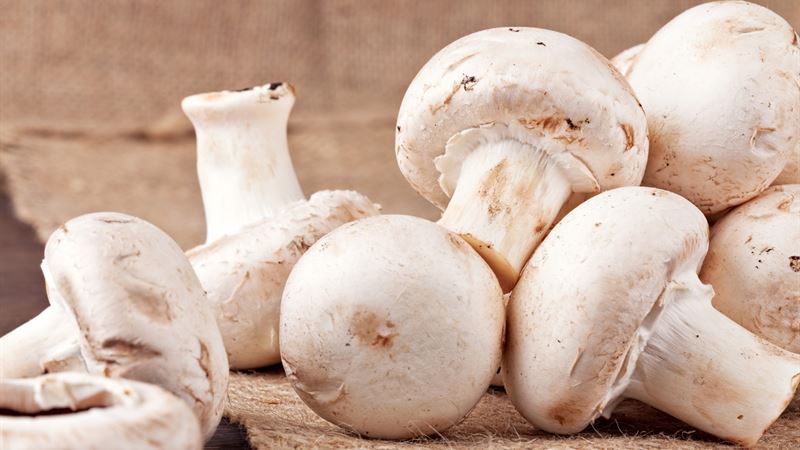
Mushrooms are a versatile and flavorful addition to any diet, offering numerous neurological benefits. They contain compounds that help protect against neurodegenerative diseases, potentially lowering the risk of depression linked to inflammatory and oxidative stress pathways. Additionally, mushrooms are natural energy boosters, helping to alleviate mental fatigue and improve vitality.
Research indicates that regular consumption of certain mushroom varieties, such as lion's mane and reishi, can enhance cognitive function and mood. Mushrooms stimulate endorphin release and combat inflammation, helping to reduce feelings of anxiety and depression. Incorporate sautéed mushrooms into your meals or enjoy them in soups and salads for a tasty, mood-loving treat.
6. Tomatoes and the Power of Lycopene
Several scientific studies, including a notable 2013 investigation from China’s Tianjin Medical University, reveal that a diet rich in tomatoes can significantly alleviate depressive symptoms—up to 52 percent reduction in some cases. Tomatoes are abundant in lycopene, a potent antioxidant that helps counteract oxidative stress and neural damage often seen in chronic depression.
This antioxidant plays a vital role in protecting brain cells from free radicals and reducing inflammation. A diet inclusive of ripe tomatoes can promote neural plasticity and improve mood stability. Enjoy tomatoes raw in salads, grilled as a side dish, or incorporated into sauces and soups for a simple, effective way to support mental health through nutrition.
Conclusion: Embracing Nutrition for Mental Wellness
Adopting a diet rich in mood-boosting foods can be a powerful complementary approach to traditional depression treatments. From the neuroprotective properties of avocados and mushrooms to the mood-enhancing effects of berries and green vegetables, nutrition plays a pivotal role in supporting mental health. While diet alone may not replace professional treatment, integrating these foods into your daily routine can help strengthen resilience, reduce symptoms, and promote a more positive outlook on life.
Consult with healthcare providers or nutritionists to personalize dietary changes, especially if you have underlying health conditions. Remember, a balanced diet combined with physical activity, adequate sleep, and psychological support forms the foundation of comprehensive mental health care.