
Nutritional Strategies to Support Depression Management: Foods That Promote Mental Well-being
Discover essential foods that support depression management and improve mental well-being. Learn about antioxidant-rich fruits and vegetables, mood-boosting carbs, and brain-friendly proteins, along with dietary habits to avoid for a healthier mind. This comprehensive guide offers practical nutritional tips backed by scientific research to help those battling depression achieve better mental resilience through diet.
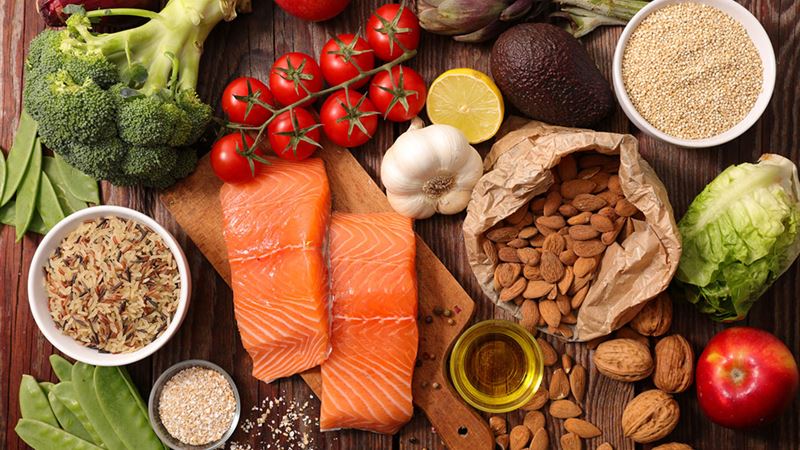
Managing depression can be a complex process, often requiring a combination of therapy, medication, and lifestyle changes. While there isn't a specific diet that guarantees the elimination of depressive symptoms, dietary choices play a significant role in supporting mental health and enhancing overall well-being. Proper nutrition can help mitigate symptoms, boost energy levels, and promote better mood regulation. In this comprehensive guide, we explore vital foods that can assist in managing depression, along with those best avoided to support mental resilience.
Our bodies produce free radicals during normal metabolic processes. However, an excess of these unstable molecules can lead to cellular damage, accelerated aging, and increased vulnerability to mental health disorders like depression. Consuming antioxidant-rich foods can neutralize these harmful molecules, thereby reducing oxidative stress and supporting brain health.
Foods high in antioxidants include a variety of colorful vegetables and fruits. For instance, beta-carotene, a potent antioxidant, is abundant in orange and green vegetables such as sweet potatoes, spinach, carrots, and pumpkins. Fruits like cantaloupe, apricots, peaches, and collards also contribute significantly to antioxidant intake. These nutrients help protect brain cells from oxidative damage, which is often linked to depression and cognitive decline.
Vitamin C is another crucial nutrient known for its immune-boosting and antioxidant properties. Rich sources of vitamin C encompass tomatoes, blueberries, bell peppers, potatoes, kiwis, broccoli, strawberries, oranges, and grapefruits. Vitamin E, which helps protect cell membranes, can be found in seeds, nuts, wheat germ, vegetable oils, and margarine. Incorporating these nutrients into the daily diet supports cellular repair, reduces inflammation, and promotes overall mental health.
Carbohydrates influence mood through their impact on serotonin, a key neurotransmitter involved in regulating feelings of happiness and well-being. Opting for complex carbohydrates such as whole grains, legumes, fruits, and vegetables provides a steady release of energy and supports serotonin production. Conversely, consuming excessive simple sugars found in processed snacks, candies, and sugary beverages may cause fluctuations in blood sugar levels and mood, exacerbating depressive symptoms.
Protein intake also plays a vital role in mental health. Proteins supply amino acids like tryptophan, a precursor to serotonin synthesis. Including protein-rich foods like tuna, chicken, turkey, eggs, beans, and dairy products in meals can enhance mood stability, mental clarity, and energy levels. Regularly consuming balanced meals with adequate proteins is particularly important during periods of emotional stress or fatigue.
While focusing on beneficial foods, it is equally important to be mindful of dietary factors that might worsen depression. For instance, caffeine, found in coffee, tea, and energy drinks, can induce anxiety and interfere with sleep patterns—both of which can hinder recovery from depression. Reducing caffeine intake can facilitate better sleep quality and reduce anxiety, aiding mental health improvements.
In addition, limiting processed foods, trans fats, and high-sugar products helps decrease inflammation and oxidative stress, further supporting mental stability. Maintaining a well-rounded, nutritious diet combined with good sleep hygiene, physical activity, and professional support constitutes a holistic approach to managing depression effectively.
Adopting a nutritious diet rich in antioxidants, healthy carbs, and proteins—all while avoiding stimulants and processed foods—can make a notable difference in mental health resilience. By making mindful nutritional choices, individuals can empower themselves in their journey toward mental wellness and improved quality of life.