
Nutritional Strategies to Overcome Depression Naturally
Discover a comprehensive guide on nutritional strategies that can help combat depression naturally. This article explores mood-boosting foods rich in antioxidants, omega-3s, vitamins, and minerals like walnuts, dark chocolate, avocados, berries, mushrooms, and more. Learn how incorporating these nutrients into your diet can support mental health, improve mood, and enhance overall well-being. Combining proper nutrition with medical treatments like LATUDA® can offer a holistic approach to managing depression effectively.
Nuts and Seeds
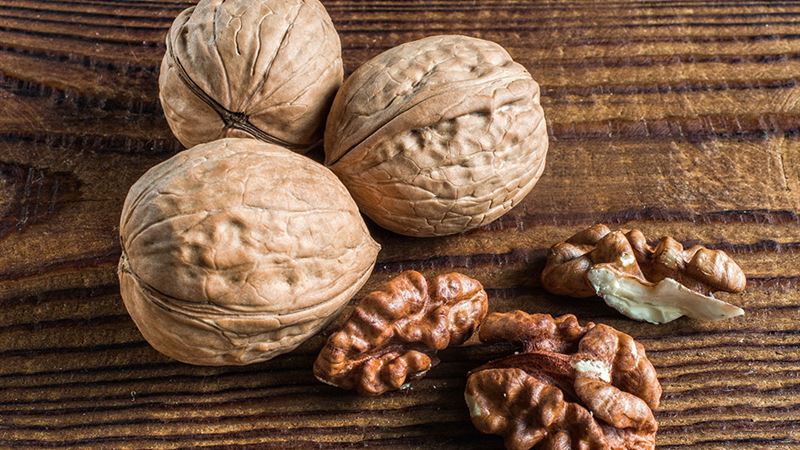
Nuts, particularly walnuts, are potent sources of nutrients like melatonin and polyphenols, which can significantly improve sleep quality — a vital factor in mental health. Walnuts contain omega-3 fatty acids that are essential for brain function and mood stabilization. Including a handful of walnuts in your daily diet can bolster your body's capacity to regulate mood and reduce depressive symptoms. Additionally, seeds such as flaxseeds and chia seeds provide omega-3s, fiber, and antioxidants that support brain health.
Dark Chocolate
Dark chocolate is a delicious treat known for its mood-boosting properties. It contains phenylethylamine, a compound that promotes feelings of pleasure and happiness by stimulating the release of endorphins. Moreover, the flavonoids and plant-based antioxidants in dark chocolate have been linked to reduced anxiety and improved cognition, making it a smart choice for those seeking natural mood enhancement. Remember, moderation is key to prevent excess calorie intake while enjoying its benefits.
Avocados
Rich in monounsaturated fats and vital nutrients like vitamins B6, K, C, E, magnesium, potassium, and folate, avocados are a nutritional powerhouse supporting mental health. The presence of tryptophan, an amino acid, facilitates increased serotonin production in the brain — a neurotransmitter crucial for mood regulation. Regular consumption of avocados can support mood stability, reduce feelings of depression, and promote overall well-being.
Berries
Blueberries, cranberries, goji berries, and other berries are loaded with antioxidants, which combat oxidative stress linked to depression. These berries help improve cognitive function and protect brain cells from damage. Their anti-inflammatory properties and ability to lower blood pressure make them a valuable addition to a depression-fighting diet. Including berries in your meals or snacks can contribute to a healthier mind and body.
Fungi and Mushrooms
Scientific studies suggest that consuming certain types of mushrooms can decrease the risk of depression. Mushrooms contain ergothioneine, a powerful antioxidant that helps protect cells from oxidative stress and inflammation. Ergothioneine's neuroprotective actions extend beyond depression, potentially benefiting other mental health disorders such as schizophrenia. Regular inclusion of mushrooms in your diet may support mental resilience and emotional stability.
Selenium-Rich Nuts
Brazil nuts are an excellent source of selenium, a trace mineral essential for reducing inflammation and preventing oxidative cell damage. Adequate selenium levels are associated with improved mood and a decrease in depressive symptoms. Incorporating Brazil nuts into your diet can be an effective natural approach to mood regulation, but it's important to consume them in moderation, as excessive selenium intake can be harmful.
Omega-3 Fatty Acids
Extensive research highlights the positive effects of omega-3 fatty acids on mental health. These polyunsaturated fats are abundant in fatty fish like salmon, sardines, and mackerel, which help reduce inflammation and support brain function. For individuals who dislike fish, omega-3s are also found in plant-based sources like flaxseeds, chia seeds, walnuts, and canola oil. Integrating these foods into your diet can significantly aid in mood stabilization and depression management.
Bananas
Often referred to as a natural mood booster, bananas contain vitamin B6, which plays a critical role in serotonin synthesis — the neurotransmitter responsible for mood regulation. While bananas do not directly contain serotonin, their B6 content helps the body produce more serotonin naturally. Regular consumption of bananas can contribute to a balanced mood and reduce feelings of depression over time.