
Comprehensive Guide: 6 Effective Dietary Strategies to Manage Elevated Cholesterol Levels
Discover 6 effective dietary strategies to manage high cholesterol, including increasing fruits and vegetables, replacing saturated fats with healthy unsaturated fats, boosting fiber intake, adding oily fish weekly, and consuming plant sterols. These modifications can enhance heart health, lower LDL levels, and reduce cardiovascular risks, making your diet smarter, more enjoyable, and sustainable. Learn how to incorporate these key foods and habits into your daily routine for lasting health benefits and a healthier heart.
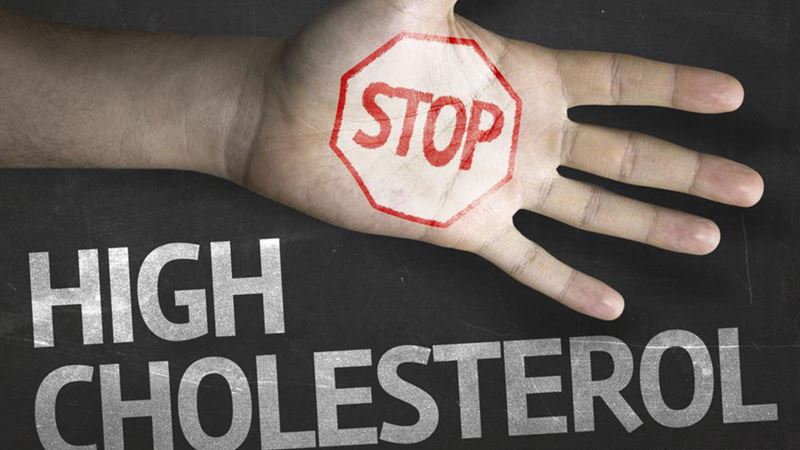
- Incorporate an Abundance of Fruits and Vegetables into Your Daily Diet
One of the simplest yet most impactful steps you can take toward managing high cholesterol is to increase your intake of fresh produce. Fruits and vegetables are naturally low in saturated fats and high in essential nutrients, fiber, and antioxidants—which all contribute to cardiovascular health. They do not directly lower cholesterol, but their consumption helps maintain overall health and supports other cholesterol-lowering strategies. When planning your meals, fill your plate with a variety of vegetables as side dishes, incorporate them into main courses, or use them as Meat alternatives. For example, hearty vegetable casseroles, flavorful curries, and vegetable-based stir-fries are excellent choices. Fruits are versatile too—ideal for topping cereals, mixing into smoothies, or enjoying as healthy desserts. Fresh fruits like berries, apples, and citrus provide fiber, vitamins, and antioxidants that bolster heart health and support cholesterol regulation.
- Swap Saturated Fats for Heart-Healthy Unsaturated Fats
Dietary fats play a critical role in cholesterol management. Consuming excessive saturated fats can elevate LDL (bad cholesterol) levels and increase the risk of cardiovascular disease. Foods rich in saturated fats, such as fatty cuts of meat, processed meats, full-fat dairy products, butter, and certain baked goods, should be limited in your diet. Instead, focus on replacing these with unsaturated fats, which are beneficial for heart health. Incorporate foods like oily fish (salmon, mackerel, sardines, trout), plant-based oils (olive oil, canola oil), avocados, nuts, and seeds into your meal plans. When shopping, always check nutrition labels to monitor saturated fat content, especially in processed or convenience foods. This shift from saturated to unsaturated fats is vital in reducing LDL cholesterol and improving overall lipid profiles.
- Boost Your Intake of Dietary Fiber
Fiber is a powerful nutrient in the fight against high cholesterol. It binds to cholesterol particles in the digestive system, facilitating their removal from the body. To harness these benefits, opt for wholegrain and brown rice varieties over refined grains, and choose whole-wheat or multigrain bread instead of white bread. Oats and barley are especially rich in soluble fiber, with oat beta-glucan demonstrated to lower LDL cholesterol effectively—research indicates that a daily intake of 3 grams of beta-glucan can reduce bad cholesterol levels. Legumes such as lentils, beans, and peas are also excellent sources of soluble fiber. Including these in meals—like adding beans to salads, incorporating lentils into soups, or enjoying oat cereals with fresh fruit—can greatly contribute to a heart-healthy diet and help manage cholesterol levels efficiently.
- Introduce Oily Fish into Your Weekly Eating Routine
Consuming oily fish at least once a week is a highly effective way to boost your intake of heart-healthy omega-3 fatty acids. Fish such as salmon, mackerel, sardines, herring, and trout are rich in unsaturated fats that help reduce inflammation and lower triglyceride levels. These nutrients are essential components of a balanced, cholesterol-conscious diet. Incorporate these fish into your meals by grilling, baking, or steaming, and explore various recipes to keep meals exciting. Not only do oily fish support heart health, but they also add flavor and variety to your diet, making healthy eating an enjoyable experience. Regular fish consumption is a proven strategy to improve cholesterol profiles and decrease the risk of cardiovascular disease.
- Consume Plant Sterols to Support Heart Health
Plant sterols, naturally found in foods like nuts, seeds, vegetable oils, and certain fortified products, can significantly lower cholesterol levels. Scientific studies show that consuming 1.5 to 2.4 grams of plant sterols daily can reduce LDL (bad cholesterol) by approximately 7-10% within three weeks. To maximize their benefits, incorporate sources such as nuts (almonds, walnuts), seeds (flaxseeds, chia seeds), and vegetable oils (olive oil, sunflower oil) into your daily diet. Pairing these with fruits and vegetables amplifies their cholesterol-lowering effects. Fortified foods, such as some margarine and spreads enriched with plant sterols, can also be convenient options. Regular consumption of plant sterols, along with other dietary modifications, forms a cornerstone of an effective strategy to maintain healthy cholesterol levels.
- Adopt an Optimal Eating Pattern for Managing Cholesterol Maintaining a diet that supports healthy cholesterol levels involves mindful intake of specific dietary components. Limit saturated fats so that they do not constitute more than 10% of your overall daily calories. Minimize added sugars to less than 10%, and restrict sodium intake to no more than 2300 mg per day to prevent hypertension and other cardiovascular issues. Trans fats should be avoided as much as possible; check food labels carefully to identify and eliminate these unhealthy fats. Alcohol consumption should be moderate, ideally limited, or avoided altogether. Besides dietary changes, lifestyle factors play a crucial role—regular physical activity (at least 30 minutes daily), smoking cessation, and weight management are key. These habits not only improve cholesterol profiles but also enhance overall cardiovascular health. Creating a balanced, nutrient-rich diet with these principles in mind helps keep your cholesterol under control and protects against heart disease.
To sustain these health benefits, it's important to incorporate flexibility and enjoyment into your dietary routine. Allow yourself occasional treats like healthy desserts or snacks to stay motivated and prevent feelings of deprivation. Choosing nutritious options that satisfy cravings—such as fruit-based desserts or nuts—makes it easier to stay on track. Remember, small, consistent changes accumulate into significant health improvements over time. By focusing on vegetables, fruits, plant sterols, fiber-rich foods, and oily fish, you can craft a heart-healthy diet that is not only effective in managing high cholesterol but also enjoyable and sustainable. Prioritize your health today by adopting these comprehensive dietary strategies to prevent cardiovascular disease and promote overall well-being.