
Comprehensive Guide to RV Blue Book Valuations and How to Access Them
Learn everything about RV Blue Book values, including how they are determined, the different types of guides available, and how to quickly access these valuations on NADA Guides. Whether you're buying, selling, or insuring an RV, understanding current market values helps you make informed decisions and negotiate confidently. This detailed guide covers essential factors influencing RV prices, the methodology behind calculations, and practical steps to find accurate Blue Book data online, ensuring you stay up-to-date with industry standards for recreational vehicle appraisals.
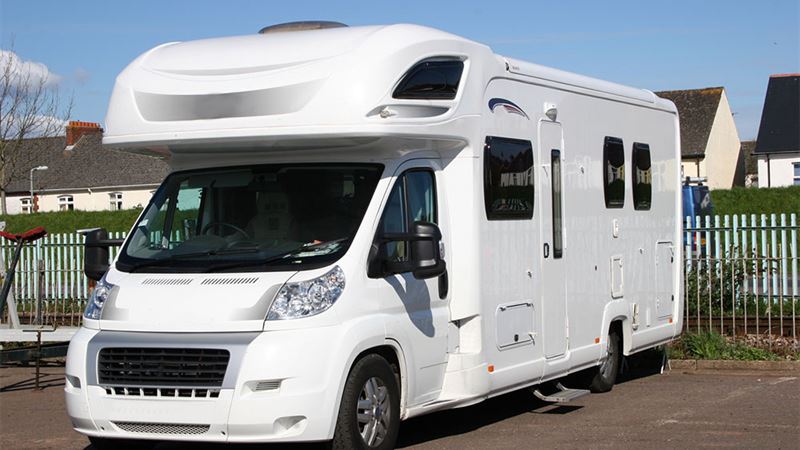
What is an RV Blue Book?
In essence, an RV Blue Book is a detailed pricing guide used extensively by dealerships, private sellers, buyers, lenders, and insurers to gauge the fair market value of recreational vehicles. These guides incorporate a myriad of factors that influence an RV’s worth, including its age, make, model, overall condition, mileage, location, and market trends. Recognized globally for accuracy and usability, the RV Blue Book acts as the benchmark standard for those seeking honest and quantifiable pricing data. Since its inception in 1917 by the National Automobile Dealers Association (NADA), the guide has grown to encompass virtually every type of recreational vehicle, from small travel trailers to luxurious motorhomes.
The Importance of RV Blue Book Values
Knowing an RV's Blue Book value is crucial for several reasons. For sellers, it provides a realistic price point that aligns with the current market, ensuring they don't overprice or undervalue their vehicle. Buyers can use it as a bargaining tool to negotiate fair prices, avoiding overpaying for a vehicle that might be overpriced due to inflated market conditions or seller biases. Lenders and insurance companies rely on these valuations to determine appropriate loan amounts and insurance coverage levels, while auto auction houses utilize consistently updated Blue Book values to facilitate smooth transactions.
More so, the Blue Book offers transparency in the RV market, reducing the chances of scams and disputes by grounding negotiations on verified data. It also assists in maintenance planning and asset management, allowing owners to estimate their RV's residual value accurately over time. The dynamic nature of the Blue Book ensures that the figures reflect real-time market conditions, making it an indispensable resource for everyone involved in recreational vehicle dealings.
Different Types of RV Blue Book Guides
The RV Blue Book isn't a uniform document; instead, it comprises several specific guides tailored to different RV types and purposes. The most prevalent among these include:
- RV Blue Book Retail Value Guide: This guide provides estimations of what a buyer can expect to pay when purchasing an RV from a dealership or private seller. It accounts for current market trends, seasonal fluctuations, and regional variations.
- RV Blue Book Trade-In Value Guide: Primarily used by dealerships and lenders, this guide estimates the amount an owner can expect to receive if they trade their RV for a new or used vehicle. It’s instrumental in trade negotiations and financing decisions.
- RV Blue Book Wholesale Value Guide: Focused on trade and wholesale transactions, this guide reflects the average price that dealers might pay to purchase an RV from sellers or at auctions. It is less concerned with retail market trends but provides a solid baseline for industry professionals.
Each guide is based on comprehensive sales data analysis, regional trends, and condition benchmarks, ensuring users receive accurate and relevant valuation information.
How Are RV Blue Book Values Calculated?
At the core of every RV Blue Book is an extensive database of sales records, transaction histories, and market surveys. These data sources include private sales, dealership transactions, consignment sales, and auction results collected across North America. The key factors influencing recalculations include:
- Age of the RV: Older RVs tend to depreciate, but unique vintage models might retain or even appreciate in value.
- Make and Model: Certain brands and models are more desirable, impacting their market value.
- Condition: An RV's overall condition—cosmetics, mechanical systems, interior features—significantly influences its valuation, with excellent condition commanding higher prices.
- Mileage: Similar to automobiles, lower mileage generally results in higher values.
- Market Trends: Fluctuations in the economy, seasonal demand, and new model releases can cause value shifts.
- Location: Regional differences in demand, climate, and RV popularity also play a role.
The guides employ statistical models and industry expertise to synthesize this data and produce reliable, up-to-date valuation estimates. Regular updates—often monthly—ensure that RV Blue Book figures reflect current market realities, giving users confidence in the data they rely on.
Accessing RV Blue Book Values on NADA Guides
One of the most user-friendly and comprehensive sources for RV Blue Book values is the NADA Guides website. Here’s a step-by-step guide to help you find the current values of your RV efficiently:
- Step 1: Visit the official NADA Guides website at www.nadaguides.com.
- Step 2: On the homepage, locate the dropdown menu labeled “New Search.” From the options, select “Search by Make.”
- Step 3: In the search box, input the make of your RV (e.g., Winnebago, Coachmen, Thor). Ensure you choose “RV” as the vehicle type to narrow the results to recreational vehicles.
- Step 4: After selecting the make, a list of available models appears. Select the specific model you own or are interested in.
- Step 5: When prompted, enter the model year. This is crucial as vehicle values can vary significantly from year to year.
- Step 6: Provide additional details such as the vehicle’s condition, mileage, and location, if prompted. These details refine the valuation accuracy based on your specific RV.
- Step 7: Click on the “RV Values” tab or link, which will display a comprehensive list of current Blue Book values categorized by condition and usage (retail, trade-in, wholesale).
- Step 8: Review the data presented. The Blue Book values provided will help you gauge what your RV is worth in today’s market, whether for selling, trading, or insurance purposes.
Additional tips include comparing multiple sources to verify pricing accuracy and consulting local RV dealerships for regional adjustments. Remember that Blue Book values are benchmarks; actual transaction prices may vary based on negotiation, timing, and specific vehicle conditions.
Why Staying Informed Matters
Accurately assessing your RV’s value is not just about establishing a selling price; it’s also essential for financial planning, insurance coverage, and maintenance scheduling. An up-to-date Blue Book valuation helps determine fair market value, guiding you through negotiations and ensuring you don’t underprice or overprice your vehicle. It empowers owners with knowledge and confidence, especially in fluctuating markets.
Being informed about current RV market conditions means you can make strategic decisions—such as timing the sale, choosing the right insurance policy, or planning upgrades—to maximize your investment. Using the RV Blue Book as a reference point enforces transparency and fairness in all transactions, making it indispensable for RV owners and enthusiasts alike.
In conclusion, regularly checking your RV’s Blue Book value offers multiple benefits, from better negotiating power to smarter financial planning. By leveraging resources like NADA Guides, you stay ahead of market shifts and ensure your vehicle’s valuation is accurate. Remember, knowledge is power—staying well-informed ultimately leads to smarter, more confident decisions about your recreational vehicle.