
Comprehensive Guide to Buying a Previously Owned RV: What You Need to Know
Buying a used RV can save you money and offer customization opportunities. This comprehensive guide covers crucial inspection tips, structural checks, interior evaluations, and strategic buying advice. Learn how to identify high-quality vehicles, avoid costly repairs, and negotiate effectively to find your perfect used RV. Perfect for adventurers seeking budget-friendly and reliable options, this article helps you navigate the used RV market with confidence, ensuring a seamless purchase process and enjoyable travels on the open road.
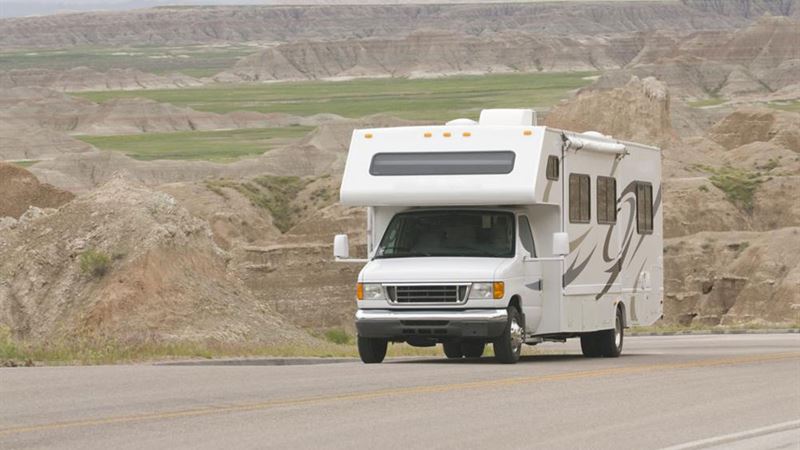
Investing in a used recreational vehicle (RV) can be a smart financial decision, especially if you're looking to explore the open road without breaking the bank. A well-maintained used RV often costs significantly less than its brand-new counterpart, sometimes up to 40% cheaper, allowing you to save money that can be allocated towards upgrades, accessories, or travel expenses. This affordability opens up opportunities to personalize your vehicle with high-tech gadgets, extra storage, or enhanced entertainment systems, making it a true home away from home.
Choosing to buy a used RV also grants the flexibility to select from a variety of models and features, often at a fraction of the cost. Whether you’re interested in adding satellite internet, upgrading the electrical system, or installing a portable generator, used RVs offer a canvas for customization at a reasonable price point. Furthermore, acquiring a used RV provides a chance to select from various makes and models based on your unique travel needs—be it weekend getaways, long-term road trips, or full-time living—without the premium price tag of a new vehicle.
Key Factors to Consider When Purchasing a Used RV
Before you commit to buying a used RV, it’s essential to conduct a thorough inspection and ask detailed questions. First, evaluate the overall condition of the vehicle—look for visible signs of wear and tear, such as scratches, dents, or rust, and examine the exterior for any damage to doors, windows, or the roof. Checking the interior is equally important; ensure that storage compartments are functional, the appliances work properly, and the flooring and furniture are in good shape.
Engine and mileage play crucial roles in determining an RV's longevity. Review the odometer reading and inquire about the hours logged on the generator, as these indicators reflect how heavily the RV has been used and can predict future maintenance needs. A lower mileage and fewer generator hours typically mean less wear, but it’s vital to verify the actual condition during your inspection.
Performing a Mechanical Inspection
A comprehensive mechanical check is necessary to avoid costly surprises. Test all appliances, including the stove, refrigerator, toilet, and water pumps, ensuring they are fully operational. Look for leaks or water stains inside and outside the vehicle, which could indicate plumbing issues or roof leaks. Conduct a visual inspection under the RV to assess the structural integrity of the chassis and foundation; rust or corrosion here could foreshadow long-term mechanical problems.
Analyze the tire condition—uneven wear or cracks can be expensive to address—and verify the condition of the brakes and suspension systems. If you’re not mechanically inclined, consider hiring a professional RV technician to perform a thorough pre-purchase inspection, providing peace of mind and helping you make an informed decision.
Identifying Structural and Exterior Issues
Inspect the exterior shell meticulously for signs of damage or aging. Leaks often manifest through water stains, especially around seams, windows, and roof joints. Damaged or cracked windows, dented doors, or signs of previous repairs may indicate the vehicle has experienced significant impacts or mishandling. Structural issues can be costly and complex to repair, so prioritize finding an RV with a solid, intact exterior.
Pay particular attention to the roof's condition; a damaged or poorly maintained roof can lead to water infiltration, mold, and interior damage over time. Repairing a roof is often a major expense, so it’s best to identify these issues early during your inspection.
Examining Interior Features and Functionality
Inside, evaluate the usability of storage spaces, cabinets, and drawers. Ensure that the refrigerator, microwave, and other appliances are functioning properly and that the electrical systems support your needs. Check the condition of the upholstery, curtains, and flooring; excessive wear or stains might be signs of prior neglect or heavy usage. Verify the functioning of plumbing fixtures, including sinks, toilets, and showers, to prevent future plumbing headaches.
Personal comfort and convenience are vital. Test the heating and cooling systems, and ensure all lights and outlets operate correctly. The interior condition will significantly influence your RV experience, so take your time in assessing every aspect thoroughly.
Smart Buying Tips for Used RVs
One strategic approach is to look for used RVs previously owned by retirees or seasoned travelers. Many older owners carefully maintain their vehicles, resulting in well-preserved conditions that can give you greater confidence in your purchase. These vehicles are often sold at competitive prices and may include valuable upgrades or maintenance records.
Timing your purchase can also be advantageous. Consider buying your used RV after the peak camping season, typically late fall or early winter, when demand is lower. Many owners look to sell their vehicles during these periods, enabling you to negotiate better prices and secure a reliable vehicle without the rush of peak seasons.
Negotiating extended warranties is a prudent step. A good warranty can cover major repairs and provide peace of mind during your travels. Be sure to review the coverage options carefully, understanding what aspects are included or excluded.
Visiting RV parks or campgrounds and talking directly with owners, especially full-time travelers, can provide valuable insights and firsthand knowledge about specific models and issues to watch out for. Their experiences can help you identify common problems and maintenance tips, preparing you for a smoother ownership journey.
In conclusion, the market is replete with used RVs suited for various budgets and preferences. Dedicate time to research, perform thorough inspections, and seek professional opinions when necessary. With patience and diligence, you can find an excellent used RV that meets your lifestyle and travel ambitions, allowing you to explore new horizons comfortably and affordably.