
A Comprehensive Guide to Purchasing a Used RV: Tips for First-Time Buyers
Learn expert tips on buying a used RV, from researching models to inspecting vehicles thoroughly. This guide helps you make informed decisions, avoid common pitfalls, and find an RV that matches your needs for memorable adventures. Perfect for first-time buyers and seasoned travelers alike.
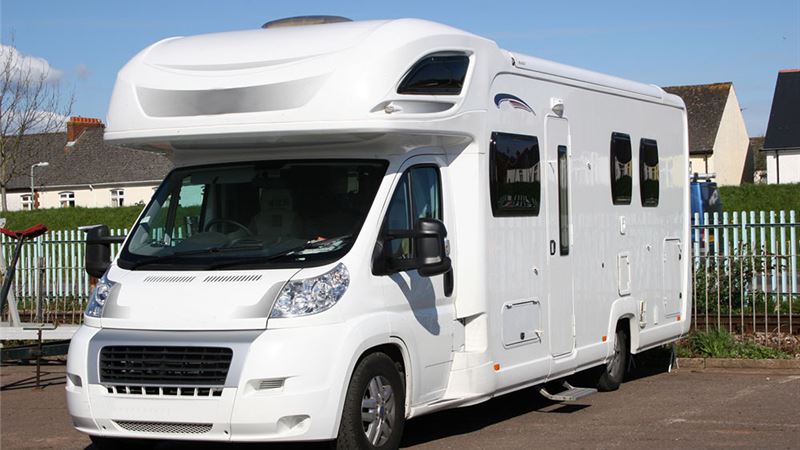
Embarking on the adventure of buying a pre-owned recreational vehicle (RV) can be both exciting and daunting. Whether you're a seasoned traveler or new to the RV lifestyle, understanding the ins and outs of purchasing a used RV is essential to making a sound investment. With the right knowledge, you can find a vehicle that meets your needs, fits your budget, and provides countless memorable journeys. This comprehensive guide will walk you through every crucial step, from initial research to final purchase, ensuring you’re well-equipped to select the perfect used RV for your lifestyle.
### Discovering Your Ideal Used RV
- Visualize Your Perfect Getaway
- Research and Connect with Other RV Enthusiasts
Before diving into the market, spend some time imagining your ideal RV experience. Think about the destinations you want to explore, the number of travelers, and the amenities necessary for comfort. Visualizing your perfect trip helps clarify what type of RV suits your travel style, whether it’s a compact camper, a luxury Class A motorhome, or a versatile trailer. Remember, dreaming big is fine, but it's equally important to ground your expectations in reality. Set a realistic budget and be aware of the different models available in the market.
One of the best ways to get insights into the used RV market is to connect with experienced owners. Join online forums, Facebook groups, and local RV clubs. Attend rallies, shows, and expos dedicated to recreational vehicles. Engaging with seasoned RV owners provides valuable firsthand advice, tips on maintenance, and honest reviews about particular models. These interactions can help you understand the pros and cons of various RV types and brands, and give you realistic expectations about ownership and upkeep.
### Clarify Your Needs and Goals
- Defining Your RV Requirements
- Understanding Why You Are Buying
Determining what you need from an RV is a crucial step. Clarify whether you want a brand-new model or are open to used options. Consider factors like size, weight, fuel efficiency, and driving comfort. For example, if you plan frequent long-distance trips, a fuel-efficient and easily maneuverable Class B or Class C might be ideal. Conversely, if your goal is mainly to park and enjoy, a larger Class A could be suitable. Be sure to consider the number of passengers, sleeping arrangements, storage space, and onboard amenities.
Knowing your motivation for purchasing an RV influences your choice significantly. Are you seeking a temporary vacation home, a full-time residence, or a weekend getaway vehicle? This purpose impacts the type of RV, its condition, and its features. For instance, long-haul travelers often prioritize durability, fuel economy, and comfortable living spaces, whereas weekend adventurers might focus on quick setup and portability.
### Shopping for the Perfect Used RV
- Utilize Online Resources and Local Listings
- Compare Market Values
Most used RVs are listed on online marketplaces, owner classifieds, and dealer websites. Platforms like RVTrader, Craigslist, and specialized dealer sites allow you to filter searches by make, model, year, price, and location. Additionally, browsing local RV parks and campgrounds can sometimes lead you to private owners willing to sell. Visiting local dealerships can also provide access to certified pre-owned vehicles with warranties.
Before making a purchase, consult resources like NADAguides or the Kelley Blue Book to determine the fair market value of your preferred model. These guides assist in understanding current pricing trends, ensuring you don’t overpay. When buying directly from owners, compare similar listings within your area and nationwide to get a sense of market averages.
### Conducting a Thorough Vehicle Inspection
- Retrieve Vehicle History Reports
- Perform a Detailed Visual and Mechanical Inspection
- Assess the Age and Condition of Critical Components
Obtain the Vehicle Identification Number (VIN) of the RV and order a comprehensive history report through services like Carfax or AutoCheck. This report reveals important details such as past accidents, flood or fire damage, ownership history, title status, and recalls. It helps you assess the vehicle’s reliability and identify potential red flags before committing to a purchase.
Always inspect the RV in person. Check the exterior for signs of rust, leaks, or body damage. Inside, verify the condition of furniture, appliances, plumbing, and electrical systems. Start the engine and listen for unusual noises, test brakes, backup camera, lights, and other mechanical components. Take the vehicle for a test drive to evaluate handling, acceleration, braking, and stability. Pay close attention to tire wear, engine performance, and any warning lights.
Verify the age and condition of batteries, belts, filters, tires, and other consumables. An RV with low mileage but poor maintenance can be as problematic as a high-mileage vehicle. Consider potential repairs such as replacing the roof seals, plumbing, or flooring if the vehicle has been exposed to harsh weather conditions. Carefully examine for signs of water damage, rust, and mold, especially in areas prone to leaks.
### Understanding the Market and Financing Options
- Stay Updated on Pricing Trends
- Arrange Financing and Inspection
Keeping abreast of current RV market trends helps you negotiate better. Regularly check listings and sales data to understand the average asking prices, demand, and depreciation rates for your preferred models. Knowledge of market trends enables you to identify a good deal and avoid overpayment.
If you need a loan, connect with financial institutions familiar with RV financing. Be prepared for a potential inspection if the vessel is over a certain age, as lenders may require a professional assessment of the vehicle’s condition. Shop around for the best interest rates and loan terms to fit your budget.
### Matching Your Lifestyle and Future Plans
- Pick an RV That Fits Your Family’s Needs
- Plan for the Future
Consider your family size, travel habits, and lifestyle when selecting an RV. If you have children, prioritize larger models with multiple sleeping areas. If it’s just you and your partner, a smaller, more maneuverable RV might suffice. Think about onboard amenities like kitchens, bathrooms, entertainment systems, and storage solutions that will enhance your travel experience.
Invest in an RV that can serve your needs for years to come. If you plan to travel extensively, look for a reliable vehicle with good maintenance history. For full-time RV living, consider the quality of insulation, heating, and cooling systems. Proper planning ensures your RV remains a source of happiness and convenience for many adventures ahead.
### Final Tips for a Successful Used RV Purchase
- Be Patient and Informed
- Prepare for Resale Value
- Seek Professional Advice
Don’t rush into buying the first RV you see. Take your time to research, visit multiple listings, and thoroughly inspect each vehicle. Knowledge is your best friend in negotiations and decision-making.
Even if you plan to keep the RV long-term, consider its resale value. Vehicles with a good reputation, comprehensive maintenance records, and lower mileage tend to retain value better.
Whenever possible, involve a mechanic or RV inspection expert to evaluate the vehicle before purchase. Their expertise can detect hidden issues and prevent costly regrets.
By following these detailed steps and staying diligent during your search, finding the perfect used RV for your lifestyle becomes a manageable and rewarding process. Remember, the key is to balance your dreams with practical considerations to ensure years of happy travels.